
Key takeaways
- Love handles are fat pockets that shrink through calorie-burning exercise, not simply muscle building.
- Standing core exercises burn more calories and are easier to perform than traditional floor exercises for older adults.
- High knees, forward folds, marching in place, and weighted sit-to-stand movements target core strength while maximizing energy expenditure.
- Progressive resistance with dumbbells or kettlebells allows continuous challenge and sustained improvement over time.
Midsection fat accumulation becomes increasingly common after age 60, transforming how many older adults experience their bodies. This shift isn’t simply about aging—it reflects a convergence of biological changes: reduced physical activity, hormonal fluctuations, and a slower metabolic rate. The challenge is that traditional approaches to addressing this issue often miss the mark, focusing on muscle-building when what actually works is something quite different.
Understanding Love Handles
Love handles are pockets of subcutaneous fat sitting just beneath your skin, positioned directly over your abdominal muscles. Many people assume that building bigger abdominal muscles will eliminate them. Domenic Angelino, MS, MPH, CSCS, CPT, Chief Exercise Scientist at FitCraft, explains why this approach falls short: “Your love handles are pockets of fat that sit just beneath your skin and over the top of your muscles. If you build bigger muscles, those pockets of fat are still there. They do get spread out over a larger surface area, which makes the fat appear less noticeable, so it does help a little. But, what helps the most for addressing love handles is exercising in a way that burns calories quickly, since doing so makes it easier to lose fat.”
The distinction matters enormously. Visible fat reduction isn’t fundamentally about muscle size—it’s about creating a calorie deficit through purposeful exercise and nutrition choices.
Why Standing Exercises Work Better Than Traditional Core Training
Shifting Focus from Isolation to Energy Expenditure
Most traditional core strengthening exercises performed while lying on your back emphasize muscle development in isolation. Standing exercises operate differently. According to Angelino: “Most standing exercises that target your core are easier to do than exercises that involve you lying on your back. Standing exercises also let you shift the emphasis towards calorie burning more easily, instead of focusing on training your muscles directly. This will be way more effective at reducing your body fat and addressing love handles.”
The efficiency advantage is significant for older adults. You’re not choosing between calorie burn and core strength—you’re achieving both simultaneously with every movement.
Functional Movement Patterns for Daily Life
Standing exercises train your body in positions it actually occupies throughout the day. Balance, stability, and core activation during standing movements transfer directly to improved performance in everyday activities. This functional component makes standing exercises particularly valuable for people over 60, who benefit from movements that strengthen practical capabilities alongside aesthetic goals.
High Knees: Explosive Calorie Expenditure
High knees rank among the most effective calorie-burning standing movements. The exercise requires lifting your knees toward your chest repeatedly, creating a large range of motion that engages your abdominal muscles intensely. Angelino describes the benefit: “This exercise is a great blend of burning a lot of calories and involving your abdominal muscles. You’ll go through a relatively large range of motion as you lift your legs up with each step. This allows it to target your muscles in a way that can increase their strength.”
You can adjust intensity by modifying your pace. Perform the movement slowly and deliberately to emphasize control and muscle engagement, or increase your speed to boost cardiovascular demand and calorie burn. Starting conservatively and building intensity over weeks is sensible for anyone returning to exercise after a sedentary period.
Forward Folds: Mobility Meets Core Strength
Forward folds address a dual challenge that confronts many people over 60: reduced flexibility combined with weak core engagement. Stand with your feet hip-width apart, then hinge at the hips, allowing your torso to fold toward your legs. Press through your heels to stand back up, engaging your core muscles throughout the return movement. Angelino notes: “This exercise is helpful because it allows you to work on your flexibility while also using your core muscles to lift your body back up from a bent forward position. It’s great because it’s highly functional and achieves multiple important things at once, making it very time efficient.”
The forward fold is particularly valuable because it addresses a widespread limitation in older adults. Hip mobility and hamstring flexibility typically decline with age, and improving these capacities has immediate practical benefits for walking, bending, and moving safely through daily life.
Marching in Place: Sustainable High-Calorie Movement
Stationary marching—jogging in place—offers sustained calorie burn without requiring explosive knee height. The movement is simpler than high knees but still delivers meaningful energy expenditure. Angelino explains: “This is a great exercise for burning a lot of calories. Because it doesn’t involve bringing your legs through a large range of motion, you can take a lot of steps before you get tired and burn out. Your core helps stabilize you while you jog, and this will translate to helping strengthen core muscles that are important for daily activities like walking.”
The lower range of motion means you can sustain the movement for longer periods without exhaustion, making it ideal for building aerobic capacity. Your core remains engaged throughout, stabilizing your upright posture and strengthening muscles essential for balance and injury prevention.
Sit-to-Stand with Weights: Progressive Strength Building
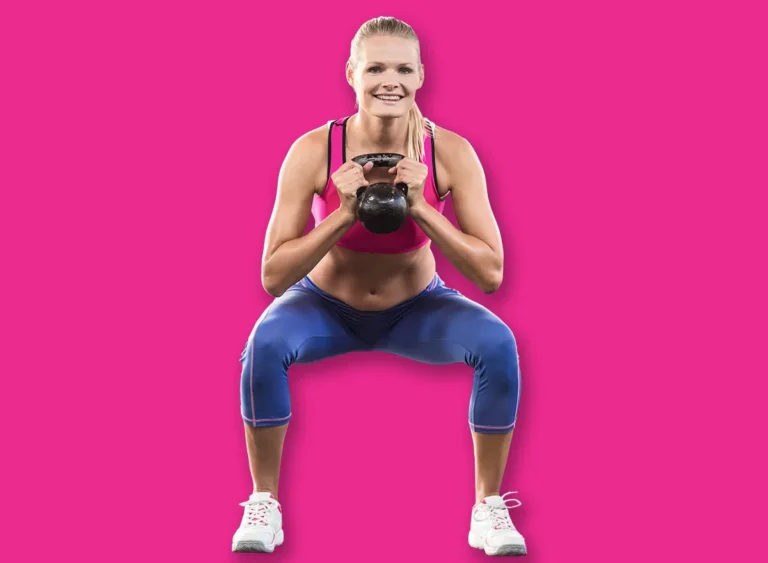
Performing sit-to-stand movements while holding a dumbbell or kettlebell seems tangential to addressing love handles, but it delivers targeted lower back and core strengthening. Stand from a seated position while holding weight, engaging your core muscles to maintain an upright posture throughout. Angelino explains: “This might seem a bit unconventional for the goal here, but it’s effective at increasing core strength by targeting your lower back muscles while you’re essentially transitioning from sitting to standing. It helps you get used to using your core muscles to keep your back upright in a healthy way, strengthening them in a way that can reduce back pain.”
Progressive Challenge Through Added Weight
Unlike many bodyweight exercises, the weighted sit-to-stand scales naturally as you improve. Starting with a light dumbbell or kettlebell, you can gradually add weight over weeks and months, continuously challenging your muscles and sustaining progress. This progression ensures the exercise remains effective rather than becoming a routine you’ve adapted to completely. The added weight also recruits more muscle mass, amplifying energy expenditure beyond what bodyweight alone achieves.
Building a Sustainable Routine
These four movements work synergistically when combined into a cohesive workout. Performing them 3 to 4 times per week, completing 10 to 15 repetitions of each exercise (or 30 to 60 seconds of marching in place), creates a routine that’s both accessible and demanding. Keep rest periods brief—30 to 45 seconds between exercises—to maintain elevated heart rate and maximize calorie expenditure.
Addressing love handles after 60 ultimately requires two things: consistent effort and an understanding that visible fat loss depends on calorie expenditure. These standing exercises deliver both, remaining accessible for older bodies while remaining effective for reshaping your midsection.
Frequently Asked Questions
Do I need weights to perform these standing exercises?
Three of the four exercises—high knees, forward folds, and marching in place—work effectively with just your bodyweight. The sit-to-stand exercise uses optional weights like dumbbells or kettlebells, which allow you to increase difficulty as you grow stronger.
How often should I perform these standing exercises?
These exercises work best when performed 3 to 4 times per week. Complete 10 to 15 repetitions of each movement (or 30 to 60 seconds of marching in place), keeping rest periods brief—30 to 45 seconds between exercises—to maintain heart rate elevation and maximize calorie burn.
Can these exercises eliminate love handles completely?
Standing exercises burn calories and strengthen core muscles, but visible fat reduction requires a calorie deficit created through both exercise and nutrition. According to Domenic Angelino of FitCraft, calorie-burning exercise is what helps most for addressing love handles, but must be combined with appropriate eating habits.
