
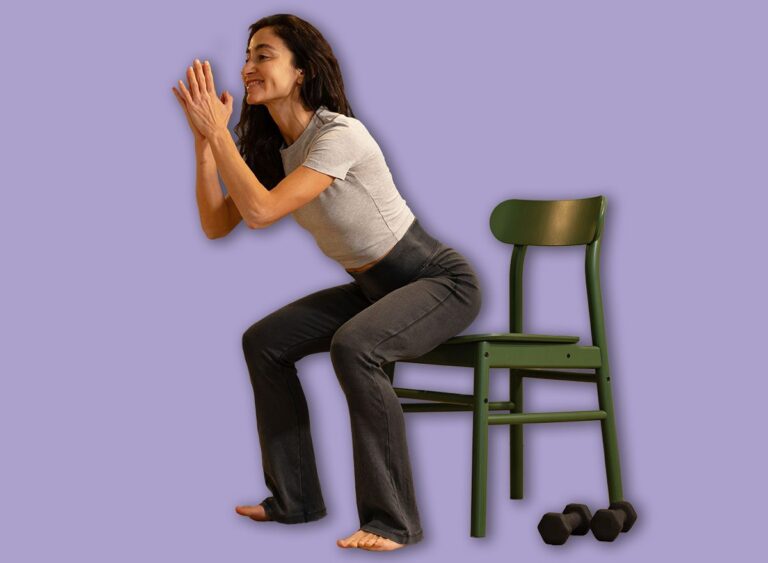
Key takeaways
- Hip strength controls pelvis and spine, supports posture, and keeps you balanced for stairs, standing, and everyday movement.
- Home exercises require minimal equipment and no commute, making consistency easier than gym-based training.
- Progressive resistance starting with bodyweight and adding load as strength improves builds real functional gains over time.
Hip strength is truly essential for almost every movement you make. As you age past 60, maintaining capable hips becomes increasingly central to your independence and daily quality of life. Your hip muscles control your pelvis and spine, support solid posture, and keep you balanced during movement. Stronger hips make it easier to lift yourself out of a chair, bend down to pick things up, and perform the small and large tasks that fill your day.
Hip Strength Powers Your Daily Function
The work your hips do goes largely unnoticed until they weaken. According to Jacob Siwicki, founder and head coach of Siwicki Fitness and NCSF and AFAA certified trainer, hip strength matters every time you take a step. It helps you climb stairs and get out of a car. It also helps control your pelvis when you’re standing on one leg, which you do repeatedly while walking. Keeping those muscles strong helps keep everyday movement manageable.
Siwicki brings significant credentials to this advice. He’s a former top 1% globally ranked Equinox group fitness instructor (2019), a Dartmouth economics graduate, former Dartmouth football player, and fitness expert on FOX 5 DC. His perspective comes from years of coaching people of all ages through movement and strength work.
Why Home Training Works for Hip Strength
Building and maintaining hip strength doesn’t require a gym. According to Siwicki, six home exercises can help restore hip strength after 60, and home-based training offers distinct advantages over driving to a facility.
Minimal Equipment, Maximum Consistency
Home exercises require very little equipment. You can do them at home with what you have on hand, and there’s no travel time standing between you and a workout. This matters more than it sounds: the time saved on commuting and setup is time you can actually spend on the exercise itself, or time you can find on days when a gym trip might have made you skip the workout entirely.
Start Light and Progress Steadily
You can start with your own body weight and add resistance as you get stronger. This progression strategy works because it forces you to master the movement pattern before adding load. Early sessions establish clean form. Once those movements feel solid, you add a resistance band or light dumbbell to challenge your muscles further. The system is simple: perfect form at lighter loads, then increase difficulty as your body adapts.
Fitting Strength Into Your Real Life
Home training offers distinct advantages over the gym. Siwicki explains that the ease of fitting work into your day is key to staying consistent. A 15-minute session before breakfast, during lunch, or after dinner requires no planning beyond deciding when to do it. You eliminate the decision fatigue of commuting and the excuse-making that can derail a gym routine.
Why Consistent Practice Matters
Strength training after 60 requires patience and attention to form. The results come from consistent work with controlled movement, not heavy weight. Your muscles respond to regular practice, gradually building strength and stability that translates to real improvements in daily function.
Building Your Home Hip Strength Routine
The foundation of any good home routine is consistency, not intensity. Begin with the bodyweight versions of each movement, practicing them several times per week. Focus on controlled, steady movement rather than speed or momentum. Your goal is to feel the working muscles engage and fatigue slightly by the end of your set.
Once the exercises feel easier and your form remains perfect even when tired, that’s your signal to progress. Add a resistance band, use light dumbbells, or increase your repetitions. Make progressions that feel manageable. Increase difficulty enough to challenge your muscles, but not so much that your form breaks down.
Hip strength isn’t something you build once and neglect. Like any muscle group, your hips strengthen with regular work and weaken with disuse. By performing these exercises at home regularly, you protect the movements that matter most: the ability to stand from a chair, climb stairs, step into a car, and move through your day with confidence and stability.
Source: Eat This Not That
Frequently Asked Questions
What does hip strength actually do for you?
Hip strength controls your pelvis and spine, supports your posture, and keeps you balanced. It enables you to climb stairs, get out of a car, lift yourself from a chair, and maintain stability while standing on one leg during walking.
Why is home training better than gym training for hip strength after 60?
Home training eliminates commute time and requires minimal equipment, making it easier to fit into your schedule. You can start with bodyweight, add resistance as you get stronger, and do the exercises at any time of day without planning a trip.
Who is recommending these exercises?
Jacob Siwicki, founder and head coach of Siwicki Fitness, NCSF and AFAA certified, former top 1% Equinox group fitness instructor (2019), and fitness expert on FOX 5 DC.
