
Key takeaways
- Inner thigh exercises benefit more than appearance; they strengthen hip control and balance, which are crucial for preventing falls and managing daily movement after 60.
- You don't need a gym adduction machine or expensive equipment to strengthen inner thighs; home training can be progressed by increasing resistance and range of motion.
- Start with bodyweight exercises on the ground, then progress to chair-assisted and standing variations with wall support as your balance and strength improve.
- Adjust your range of motion to what feels comfortable for your individual hip mobility, never forcing the movement beyond a stable position.
After 60, it’s common for the thighs to become less toned due to the natural loss of muscle mass and changes in fat distribution and skin elasticity. If you want to restore definition and strength to your legs, you don’t need an expensive gym membership or specialized machines. According to Eat This Not That, home-based inner thigh training delivers real results when approached correctly.
Liv Banks, a Certified Personal Trainer and Group Fitness Instructor, explains that building inner thigh strength addresses concerns that go far beyond appearance.
Why Inner Thigh Strength Matters After 60
Building blocks for daily movement
Inner thigh training targets the adductors, muscles on the inside of your thighs that do much more than shape your legs. As Banks explains, “the adductors are part of a much bigger picture involving lower-body strength, hip control, and movement.” These muscles stabilize your pelvis, control how your hip joint moves, and contribute to your ability to walk, climb stairs, and reach sideways without losing balance.
Strong adductors also reduce strain on the knee joint, which benefits people managing previous injuries or mild arthritis. When the thighs are weak, the knees must compensate, which accelerates wear.
Balance and fall prevention
Hip control and balance become increasingly important with age because you rely on your hips and legs for so many everyday movements. Lateral strength from inner thigh training enables you to move side to side and manage weight shifts. This translates directly to preventing falls on stairs, uneven ground, or when reaching.
Gym Machines Are Not Required
Banks confirms that you don’t need to train on a gym adduction machine to strengthen your inner thighs. The equipment is convenient but not essential, and home training offers specific advantages for older adults.
Progressive training at home
Home training can be progressed by increasing resistance, range of motion, or exercise difficulty as your strength improves. Banks typically starts her clients with bodyweight and gradually adds resistance as they become stronger. This progression can happen through resistance bands, ankle weights, or simply increasing the depth and speed of movements.
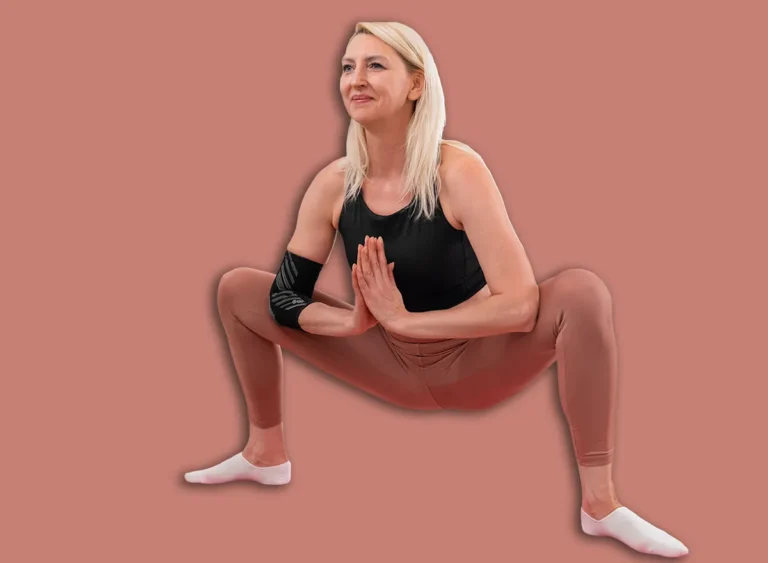
The beauty of home training is that you control the pace. There’s no need to rush or match someone else’s intensity. Banks emphasizes that “there’s no need to force the feet or knees as far outward as possible—the stance should feel comfortable for the individual’s hip mobility.” What matters is consistent, thoughtful work over months, not forcing yourself into discomfort.
Training outdoors works too
Weather and environment don’t limit inner thigh training. “Many of these exercises work just as well in a park as they do at home,” Banks notes. If you prefer fresh air and natural surroundings, you can follow the same routines outside.
How to Start and Progress
Beginning with bodyweight
Start with no equipment. Bodyweight-only exercises teach your muscles the movement patterns and help you develop body awareness: understanding which muscles are working and how to control them. This foundation makes progression safer and more effective. After two to three weeks of consistent bodyweight work, your body adapts and the exercises feel easier.
Adding resistance gradually
Once an exercise becomes comfortable, add resistance. This can be a light resistance band looped around your legs, a 1- or 2-pound ankle weight, or even a water bottle held between your knees. The goal is to provide just enough additional challenge that you feel the difference but can still complete the full range of motion with control.
Resistance increases gradually as the exercise becomes easier. Don’t jump from bodyweight to heavy bands or weights; instead, progress in small steps. This approach prevents injury and builds sustainable strength.
Range of motion and comfort
Each person’s hip structure is different. Some people naturally have more or less hip mobility than others. The right range of motion for you is the range that feels stable and controlled, not the deepest or widest range possible. Pushing beyond your comfortable range invites injury and unnecessary strain on the knee.
Exercise Variations for Different Levels
Ground-based exercises for beginners
The most accessible inner thigh work doesn’t require balance or standing. These ground-based exercises are particularly useful as a starting point before progressing to more challenging movements. Without the demand of staying upright, you can focus entirely on isolating the inner thigh muscles and building strength and confidence.
Chair-assisted movements
As strength improves, add lateral movement challenges by using a chair for support. These exercises strengthen the inner thighs while also working on lateral movement, hip mobility, lower-body strength, and balance at the same time. You can gradually increase the depth of the movement or rely less on the chair as your balance and strength improve.
Standing exercises with wall support
For older adults or anyone still developing their balance, Banks recommends holding onto a wall or another sturdy support with one hand while the working leg moves. This setup lets you focus on the leg doing the work while the support hand keeps you safe. Resistance can then be increased gradually as the exercise becomes easier.
Adapting for Knee Health
For anyone with knee limitations or discomfort, the range of motion should always be adjusted accordingly. This might mean moving through a smaller arc, taking the movement more slowly, or switching to a ground-based variation that reduces stress on the joint. Never push through sharp knee pain; modify the exercise instead.
Consistency Builds Results
Older adults benefit from regular, moderate-intensity training more than occasional intense sessions. Training the inner thighs two to three times per week allows muscles to recover between sessions while maintaining consistent stimulus for adaptation. Over weeks and months, this regular work produces visible changes in muscle tone and strength, plus functional improvements you’ll notice in daily life: easier stair climbing, better lateral stability, and increased confidence on your feet.
Source: Eat This Not That
Frequently Asked Questions
Do I need a gym machine to strengthen my inner thighs?
No. According to Liv Banks, a Certified Personal Trainer, home and outdoor training work just as well as gym machines. You can progress by increasing resistance, range of motion, or exercise difficulty. Many people start with bodyweight and gradually add light resistance like bands or ankle weights.
What exercises should I do if I'm just starting out?
Start with ground-based exercises that don't require balance or standing. These are the most accessible option and serve as a starting point before progressing to more challenging movements like chair-assisted or standing variations with wall support.
What if I have knee discomfort?
Always adjust your range of motion to feel comfortable and stable. For anyone with knee limitations or discomfort, move through a smaller range, slow down the movement, or switch to a ground-based variation that reduces stress on the joint. Never push through sharp pain.
