
Key takeaways
- A 60-second plank with perfect form is a solid benchmark for core stability after 65; anything beyond 90 seconds demonstrates top-tier endurance.
- Start with three 15-20 second planks with 30-45 seconds rest between sets, adding five seconds as strength improves.
- Pair planks with dead bugs, bird dogs, glute bridges, and sit-to-stands to build core stability from multiple movement angles.
- Core strength directly supports everyday activities like safely lifting groceries, walking on uneven surfaces, and maintaining balance.
After 65, your midsection becomes the foundation for nearly every movement you make throughout your day. Getting out of bed in the morning, navigating a bumpy sidewalk, hoisting groceries from the trunk of your car, catching yourself when you trip — all of these depend on whether your core muscles can stabilize and support your body. Many adults believe that core fitness comes down to how many crunches they can perform, but what genuinely matters is your ability to maintain core tension over time. The plank test offers a far more practical way to measure this capacity than traditional abdominal exercises ever could.
Why Core Strength Matters More After 65
Your abdominal and back muscles control stability for nearly every action you take. After 65, this role becomes even more critical because the stakes are higher — a fall or moment of instability can result in serious injury. The plank test measures something that crunches never address: your core’s endurance under sustained tension while your body stays properly aligned.
As you age, the difference between core fitness measured through movement speed versus core fitness measured through sustained stability becomes obvious. Your goal isn’t to move quickly or lift heavy objects. Your goal is to resist movement and keep your spine and pelvis in their correct positions while fatigue gradually builds. This stability-focused approach makes the plank an excellent functional assessment for determining whether your core still provides the support you need for everyday safety.
What Happens in Your Body During a Plank
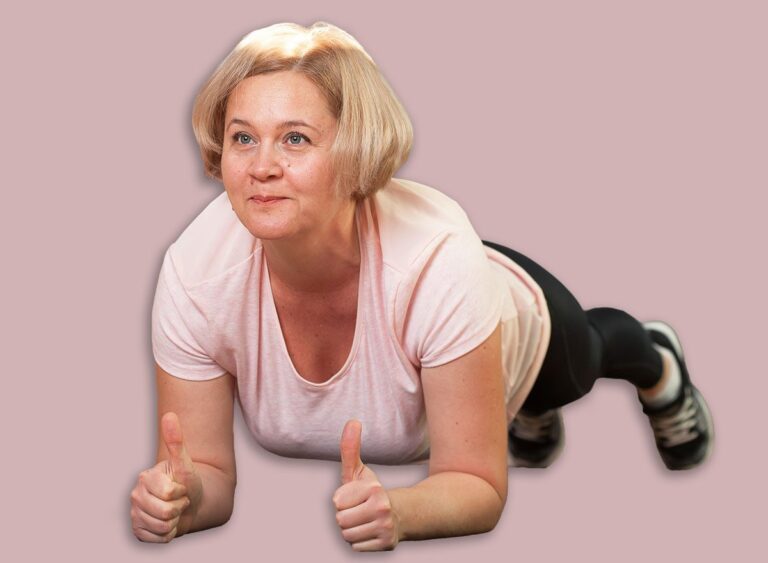
The plank looks simple from the outside, but holding one properly demands coordinated effort from multiple muscle groups simultaneously. Your abdominal muscles, obliques, hips, shoulders, and lower back all must work together continuously without any one area collapsing or compensating for weakness in another. The challenge doesn’t come from moving quickly or handling heavy weight. Instead, your muscles must resist the constant pull of gravity trying to sag your hips or arch your lower back, while your breathing stays controlled and your shoulders remain stable.
This coordinated demand makes the plank far more revealing than traditional abdominal exercises that focus on isolated movements. A 30-second plank with perfect form tells you far more about your functional core stability than a 60-second plank where your hips drop, your back arches, or your shoulders collapse inward.
The Plank Benchmark Scale for Ages 65 and Older
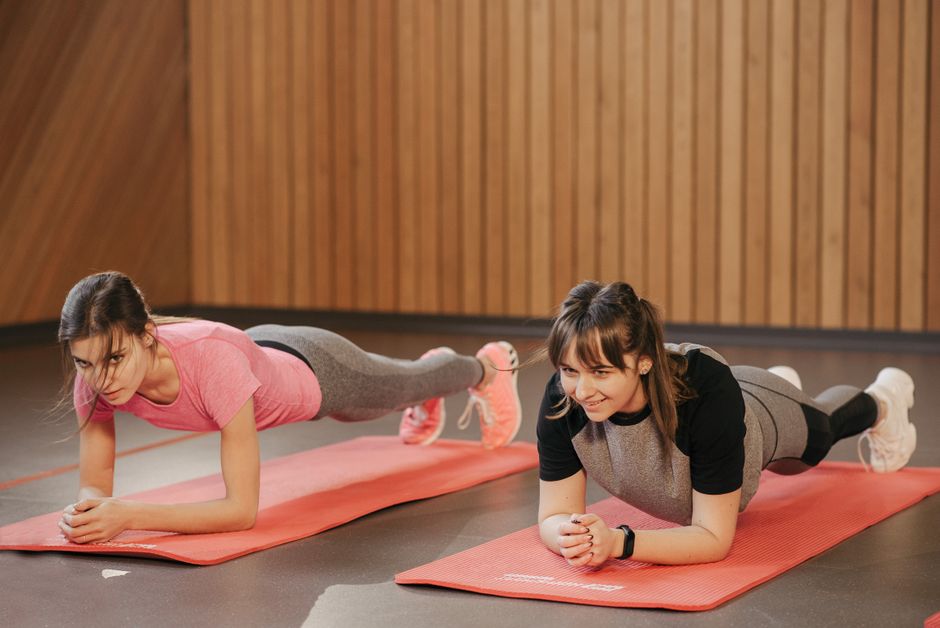
Before you test yourself, place a mat on the floor with enough clear space to extend your full body comfortably. If you’ve experienced significant back, shoulder, or wrist problems in the past, choose an easier progression or seek guidance from someone qualified to assess your individual situation. The moment your technique breaks down, stop the clock. This assessment measures quality, not your tolerance for discomfort.
Under 20 seconds: Your core endurance is beginning to develop. This isn’t a failure — it’s simply a useful starting point. Consistent practice will improve your ability to maintain tension rapidly.
20–45 seconds: You’ve developed a reasonable foundation of core stability. Continue practicing regularly while prioritizing proper alignment and controlled breathing rather than immediately pursuing longer times.
45–60 seconds: Your core endurance is solid for someone over 65. Holding this position with clean technique for a full minute requires meaningful stability throughout your abdominal muscles, hips, and shoulders.
60–90 seconds: Your core stability ranks very well. Maintaining excellent alignment for this duration demonstrates impressive muscular endurance and control, especially when you’re breathing normally throughout the test.
90+ seconds: Your core endurance is top-tier. If you can maintain a strict plank past 90 seconds without your hips dropping, your lower back arching, or your shoulders collapsing, you’ve developed exceptional stability for your age group.
Building Toward the One-Minute Mark
If you can’t yet hold a single plank for 60 seconds, don’t attempt one exhausting effort every single day. Instead, use a structured progression with multiple shorter holds and adequate recovery time between them.
Starting Protocol
Begin with three planks lasting 15 to 20 seconds each, resting 30 to 45 seconds between sets. This approach lets you accumulate meaningful time under tension without the fatigue that might force you into poor form.
Progressive Increases
As your strength improves over days and weeks, add five seconds to each hold. This gradual increase prevents plateaus while keeping the progression manageable and sustainable.
Using Elevation
An elevated plank against a sturdy bench or countertop makes the movement mechanically easier before you progress to the floor. This modification lets you build the muscle endurance you need with better form before attempting the full version.
Pairing Your Planks With Complementary Work
Planks alone won’t develop complete core strength. Your midsection needs stability from multiple angles and through different movement patterns. Dead bugs train your ability to control your spine while your arms and legs move independently. Bird dogs challenge your stability while you extend opposite limbs. Glute bridges build power through your posterior chain and hips. Controlled sit-to-stands strengthen your core’s role in lifting yourself from seated to standing — one of the most practical movements you perform daily.
These exercises work together with planks to build a core that functions reliably across all the positions and movements your real life demands.
The Real Goal: Supporting Your Actual Life
Building a stronger core isn’t about being able to hold a plank position indefinitely. It’s about creating a midsection that supports the way you actually move through your day. A stronger core helps you stand taller with better posture, walk with confidence across uneven surfaces, lift objects safely without strain, and maintain better balance when an unexpected challenge appears. If you can hold a strict plank for a full minute after 65, you’ve earned the right to consider your core stability seriously strong.
Frequently Asked Questions
What does it mean if I can only hold a plank for 20 seconds?
Under 20 seconds means your core endurance needs attention — but this is a useful starting point. Consistent practice will quickly improve your ability to maintain tension.
Should I try one long plank every day or multiple short ones?
If you can't hold a single plank for 60 seconds, perform multiple shorter holds instead. Start with three 15-20 second planks with 30-45 seconds rest between sets, then add five seconds to each hold as strength improves.
What other exercises should I do besides planks?
Pair planks with dead bugs, bird dogs, glute bridges, and controlled sit-to-stands to strengthen the muscles supporting your core from multiple directions.
