
Key takeaways
- Crunches only target one abdominal muscle and put repeated stress on the neck and lower back, which become more vulnerable after 60.
- Your core is a complex system including obliques, abdominals, back muscles, hips, and pelvic floor that works together to keep your spine stable.
- Functional core training exercises that build stability and control movement are safer and more effective for older adults than traditional crunches.
- Working with a certified trainer who understands the biomechanical needs of older bodies is the best way to build core strength safely after 60.
Your core is constantly working underneath every movement you make—when you reach for something on a shelf, twist to look over your shoulder, or stand up from a chair. As you age past 60, these stabilizing muscles become even more critical to maintaining independence and preventing falls. Yet the exercise many people rely on to strengthen their core might actually be working against them. The crunch, long considered the gold standard for abdominal work, comes with growing risks for older bodies and delivers less benefit than alternative approaches that engage your core the way it was designed to function.
Understanding Your Core: It’s Much More Than Your Abs
Most people think of the core as just the abdominals—the visible “six-pack” muscles in the front of the belly. In reality, your core is far more complex and extensive than that singular muscle group. It’s a network of muscles working together to stabilize and support your entire trunk and enable nearly every movement you make.
Your core consists of your obliques (the muscles running diagonally along the sides of your torso), your abdominals (the vertical muscles running down the front of your abdomen), your back muscles (including the deep stabilizers running alongside your spine), your hip muscles, and your pelvic floor. These muscle groups coordinate together to accomplish something crucial: they keep your spine steady and stable while allowing your arms and legs to move with power and control. They also support your posture—affecting everything from how you look to how you feel as you move through your day, how efficiently you move, and how much pain you might experience with activity.
Core Function Goes Beyond Visible Muscles
Most conversations about core strength focus on appearance—getting a flatter stomach or more defined abdominals. But the real job of your core has nothing to do with how it looks. Your core’s primary function is to protect your spine and create a stable platform from which your arms and legs can work effectively. When you reach overhead, your core stabilizes your low back so you don’t arch excessively. When you walk, your core keeps your pelvis level and steady. When you carry groceries, your core brace protects your spine from twisting under load.
Why Crunches Have Become Problematic for Older Adults
The crunch has been the go-to core exercise for decades. It’s simple, requires no equipment, and most people know how to do one. You lie on your back, bend your knees, and repeatedly curl your chest toward your pelvis. It feels like you’re working your abdominals. But according to Jacob Siwicki, founder and head coach of Siwicki Fitness and an NCSF and AFAA certified trainer, crunches don’t deliver what older adults actually need—and they come with mounting risks.
Siwicki brings serious credentials to this assessment. He was a top 1% globally ranked Equinox group fitness instructor in 2019, ranked the number one personal trainer in Washington, D.C. in 2021, and serves as a fitness expert on FOX 5 DC. Before his fitness career, he was a Dartmouth economics graduate and a former Dartmouth football player—someone who understands functional athleticism from both personal experience and professional expertise with thousands of clients.
When evaluating the crunch for clients over 60, Siwicki’s conclusion is clear: “Crunches only hit one muscle and they tend to wreck an older neck and low back.” The repetitive folding motion puts strain on the cervical spine (your neck) and lumbar spine (your lower back)—areas that are already vulnerable as we age. The problem isn’t that one rep of a crunch is dangerous; it’s that the pattern, repeated many times, loads your spine in a way that accumulates risk, especially in bodies where discs have lost fluid and vertebrae have lost density.
The Specific Risks Crunches Pose After 60
Your neck and lower back become more fragile after 60, regardless of how active you’ve been. Vertebrae lose bone density over time, intervertebral discs become less hydrated and less flexible, and the muscles supporting your spine weaken without intentional strength work. Crunches demand repeated spinal flexion—bending your spine forward over and over in the same pattern. This movement can aggravate existing stiffness in your thoracic spine, irritate a vulnerable low back, place repetitive stress on aging discs, or strain the neck muscles that are already overworked trying to stabilize your head as you age.
The Single-Muscle Problem
When you perform a crunch, you’re primarily contracting your rectus abdominis—the vertical muscle running down the front of your abdomen. The movement is almost exclusively spinal flexion. Your back muscles, obliques, hip stabilizers, and pelvic floor are mostly left out of the work. Your core isn’t a single muscle; it’s a system. Training only one component while ignoring the others creates imbalance, leaves you without the stability patterns you need for real life, and means you’re missing out on the full benefit that integrated core training provides.

What Your Core Is Actually Built to Do
Your core evolved and developed to accomplish one primary job: keep your spine steady and stable while your limbs move, carry load, and interact with the world around you. Real-world core function doesn’t look like crunches. When you bend down to pick up a grandchild, your core isn’t crunching—it’s bracing and stabilizing to protect your spine as you load one side of your body. When you swing a golf club or tennis racket, your core isn’t folding—it’s controlling rotation and transferring power from your legs through your trunk to your arms. When you walk up stairs, your core isn’t doing repetitive flexion—it’s maintaining your balance, stabilizing your pelvis, and preventing your spine from twisting awkwardly.
Siwicki’s philosophy centers on this functional reality. “I turn to other exercises over crunches because they train the core to do what it’s actually for, which is keeping your spine steady, not folding you up like a lawn chair a hundred times.” This isn’t theoretical—it’s grounded in biomechanics and what actual human bodies need to do to stay healthy and capable as they age.
The Alternative: Functional Core Training
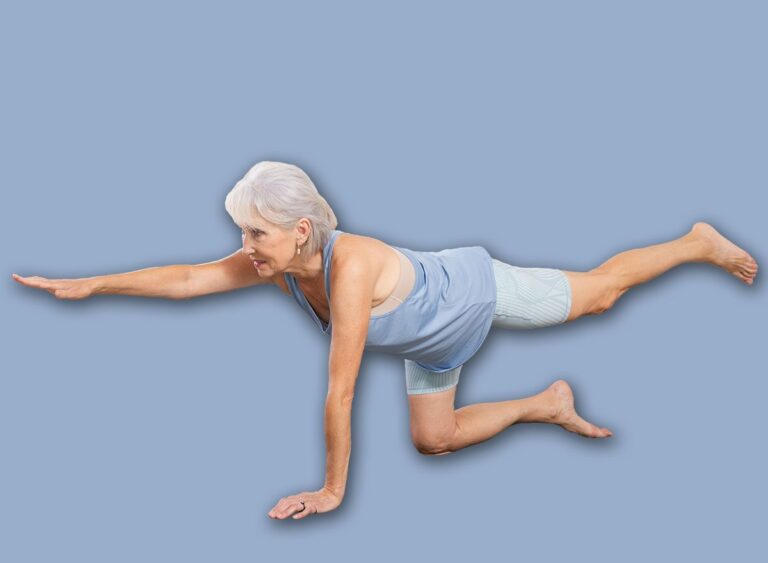
If crunches are out, what replaces them? The answer lies in training your core the way it was designed to function: building stability, controlling rotation, managing load, and supporting movement patterns that mirror real life. These exercises work multiple muscle groups simultaneously, engage your deep stabilizers, and challenge your spine in safer, more functional ways. The shift is from isolation exercises (working one muscle, one movement pattern) to integrated exercises that require your entire core system to work together.
Functional core training doesn’t necessarily look as “hard” as crunches feel in the moment. You might not feel the same burn. But your body is working much more efficiently, engaging more muscles, and building the exact patterns of stability and strength that will keep you independent, pain-free, and capable of doing the things you want to do.
Working With a Professional Who Understands Older Bodies
After 60, the best approach to core training involves working with a qualified trainer who understands functional movement and the specific biomechanical needs of older adults. Someone like Siwicki, certified in personal training and group fitness, can assess your individual needs, identify where your core might be weak or imbalanced, and design a program that builds genuine strength without putting your neck and lower back at unnecessary risk. The goal isn’t a visible six-pack—it’s a stable, functional spine that supports everything you do. It’s the ability to bend, twist, stand, and move with confidence and control. It’s preventing the falls and injuries that often derail independence in your later decades. That’s what a properly trained core delivers.
Frequently Asked Questions
What does the core actually consist of?
Your core includes your obliques, abdominals, back muscles, hip muscles, and pelvic floor. These muscles work together to keep your spine stable and enable your arms and legs to move effectively.
Why are crunches problematic for people over 60?
Crunches put repeated stress on the neck and lower back, which become more fragile with age as vertebrae lose bone density and discs lose flexibility. They also only engage one muscle group instead of training your entire core system.
What is Jacob Siwicki's recommendation for core training after 60?
According to Siwicki, exercises that train your core for stability and real-world movement patterns are better than crunches. He emphasizes training the core to do what it's actually for, which is keeping your spine steady, rather than repetitive folding movements.
