
Key takeaways
- Core training after 55 improves balance, posture, and reduces fall risk while making everyday movements easier.
- Chair exercises provide safe, low-risk ab training for anyone with mobility concerns, balance issues, or limited joint mobility.
- Every chair exercise adapts to your current ability and progresses as your strength improves, so you can do them indefinitely.
- A strong core relieves pressure on your spine and frequently alleviates lower back pain.
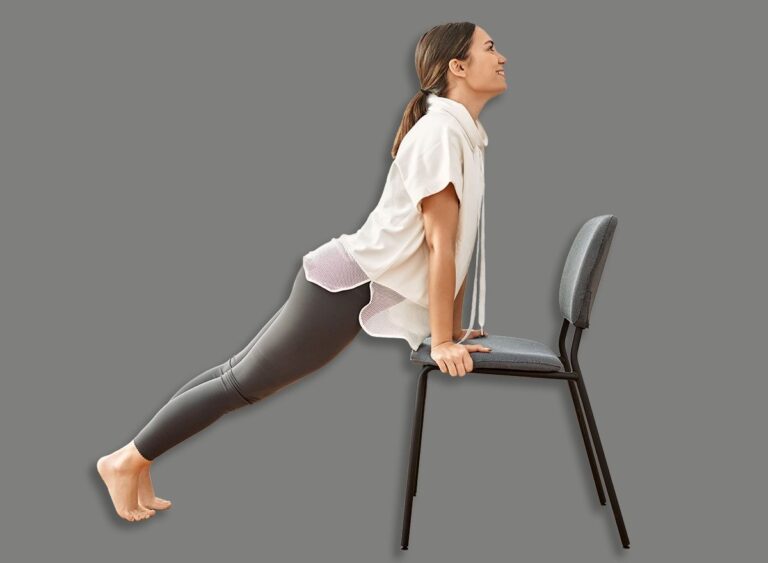
Core muscle weakness is common after age 55, but it doesn’t have to limit your life. Strong abdominals support your spine, stabilize your posture, and make everyday movements easier—standing, bending, reaching. They also reduce your risk of falling, a major threat to independence. D. Elijah Salters, M.S., sports medicine specialist at Memorial Hermann Rockets Sports Medicine Institute, recommends chair-based ab exercises as a safe, accessible path to stronger core strength. “These chair-based ab exercises provide a low-risk way to train the core while seated or using the chair for support,” Salters explains. For anyone with limited floor mobility, balance concerns, or limited joint mobility, exercising in a chair removes barriers and lets you build strength at your own pace.
Core Strength After 55: Why It Matters
Your core is your foundation for independent living. The abdominal muscles stabilize your spine and pelvis during every movement—getting up from a chair, bending to pick up an object, walking, turning. When your core weakens, these everyday tasks become harder, and your body compensates in ways that often lead to pain or injury. Building core strength now keeps you moving comfortably and independently for decades to come.
Better Balance and Reduced Fall Risk
How Stronger Abs Improve Balance
A trained core improves your balance by stabilizing your spine and pelvis. Better balance means more confidence when standing or walking, especially on uneven surfaces or in crowded spaces.
Standing, Bending, and Reaching Easier
Strong abdominals make standing up from a seated position less difficult, bending over safer, and reaching movements less strenuous. These movements happen throughout your day—getting out of bed, standing from the table, picking up a grandchild—and a stronger core makes each one less taxing on your back and joints.
Falling Less, Living More Independently
Falls are a leading cause of injury and lost independence in people over 55. A stronger core improves your stability and body awareness, lowering your risk of falling and helping you catch yourself if you do slip.
Protecting Your Spine and Relieving Back Pain
Your core muscles support your spine like a natural girdle. When they’re weak, your spine bears extra load, which often results in lower back pain, stiffness, and discomfort. Strengthening your abs takes that stress off your spine and frequently alleviates existing back pain, letting you move without the constant ache that can limit your activities.
Why Chair-Based Exercises Work
Not everyone can comfortably exercise on the floor. Limited mobility, balance concerns, or worry about getting up and down can make traditional floor exercises risky. Chair exercises solve this by providing support and eliminating the need to transition between standing and lying down—a movement that can trigger injury or be simply too difficult for some people. The chair becomes both your exercise tool and your safety net.
Adapting the Workout to Your Level
Salters emphasizes a key advantage of chair-based training: every exercise can be modified to match your ability or progressed as you grow stronger. Whether you’re just starting out after an illness, managing chronic pain, or already quite fit, the same movements can be adjusted to challenge you appropriately. This flexibility means you can do chair exercises for years, continuously progressing as your strength improves, without ever outgrowing the method.
Frequently Asked Questions
Why does core strength matter after 55?
A strong core stabilizes your spine, improves balance and posture, reduces your risk of falling, and makes everyday movements like standing up and bending over easier. It's the foundation for living independently.
Who should do chair-based ab exercises?
Chair exercises are ideal for anyone with limited floor mobility, balance concerns, limited joint mobility, or anyone who wants to avoid the risk of injury from getting up and down from the floor. They work for any ability level.
Can these exercises get too easy as I get stronger?
No. Each chair exercise can be modified or progressed based on your individual ability. You can continue doing them for years, increasing difficulty as your core strength improves.
