
Key takeaways
- A 10-minute wall routine with five exercises in two rounds builds knee strength through controlled movement and steady practice.
- The wall provides stability that lets you focus on building strength in your quads, glutes, and calves without managing balance.
- Progress appears first as improved control and confidence on stairs, not dramatic strength jumps—give the routine several weeks to show results.
- Daily habits like walking, protein intake, and consistent hydration support muscle recovery and growth beyond the 10-minute session.
The stability a wall provides transforms lower-body training for adults over 60. Instead of managing balance while building strength, your body focuses entirely on the muscles around your knees. A simple wall reference point removes hesitation and builds confidence in movement—the foundation that gets people to repeat their routine and see genuine progress.
When you can bend, hold, step, and rise with control, your knees start feeling more supported in everyday life. This 10-minute routine takes that wall support and uses it across five distinct exercises, each targeting different muscles that protect and stabilize the knee joint.
Preparing Your Space and Setting the Pace
You’ll need only a clear wall section, supportive shoes, and enough depth to step backward safely. A sturdy chair placed nearby offers additional security during standing movements if you want it. The entire routine spans 10 minutes and consists of two complete rounds through all five exercises.
Here’s how to time it: Set a timer for 10 minutes total. Perform each exercise for 40 seconds, then use the remaining 20 seconds to shift positions and prepare for the next movement. Once you’ve completed all five exercises, immediately begin the second round using the same sequence.
The goal is smooth, controlled motion throughout. You’re building steady pressure through your feet and increasing your body’s organization and efficiency with each round. The work should feel more comfortable the second time through.
Wall Squats: Building Strength Through Bend and Rise
The Movement Pattern
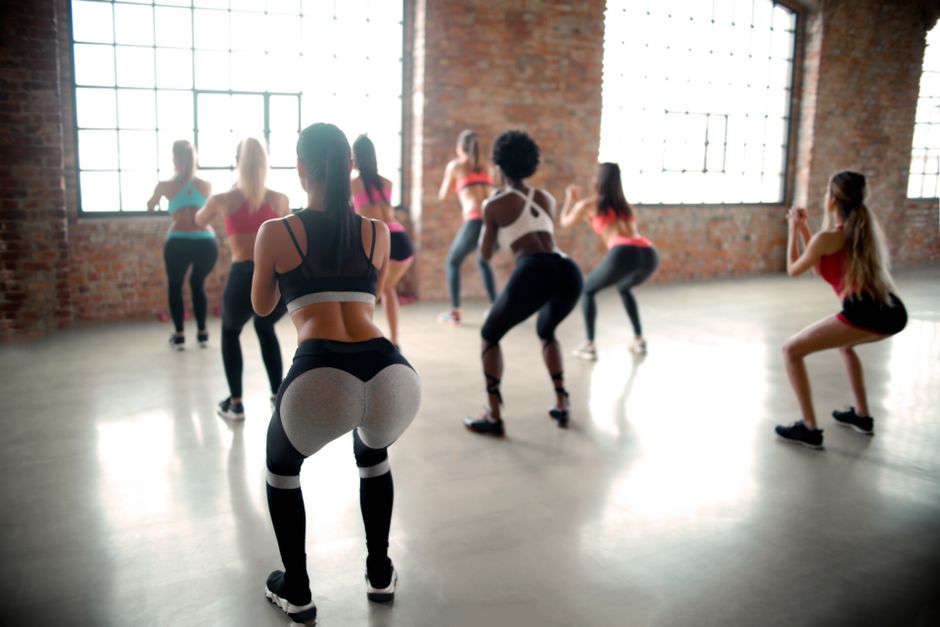
Wall squats teach your legs a controlled pattern: bend down, hold, and stand back up. Your quadriceps and gluteal muscles perform most of the work while the wall behind you serves as a stable reference. This setup makes it possible to practice squatting with genuine control and confidence—something many people lose as they age.
Daily Movement Benefits
The benefit extends directly into daily life. Walking down stairs, sitting into chairs, and rising from a seated position all depend on the same movement pattern. When your quads are stronger and you feel stable practicing this motion, those everyday activities become noticeably easier.
Variations and Form
For variations as you progress, try reducing your range of motion for additional challenge, slowing the movement for more time under tension, or adding a brief pause at the bottom. The key form principle: keep your squat shallow enough that your knees feel strong throughout every repetition.
Wall Sit Holds: Endurance Training for Stability
Building Muscular Endurance
Unlike the dynamic squat, the wall sit hold is isometric—you hold a bent-knee position against the wall and simply maintain it. Your thigh muscles work steadily to support your body weight, building both strength and the endurance your legs need for standing, climbing stairs, and controlling your descent during lowering movements.
Progressive Training Approach
The wall keeps your position stable while your legs handle the actual effort. This combination is particularly valuable because it lets you focus entirely on muscular work without managing balance. Start by holding at a higher position on the wall (knees less bent) and gradually deepen the hold as your legs become stronger. You can progress by trying higher wall sits for longer durations, shorter holds if you’re building up, or by adding heel raises while maintaining the sit position.
Form and Safety
Your form should prioritize knee comfort—never force yourself into excessive depth if your knees signal strain.
Reverse Lunges: One-Leg Strength Development
Single-Leg Training Benefits
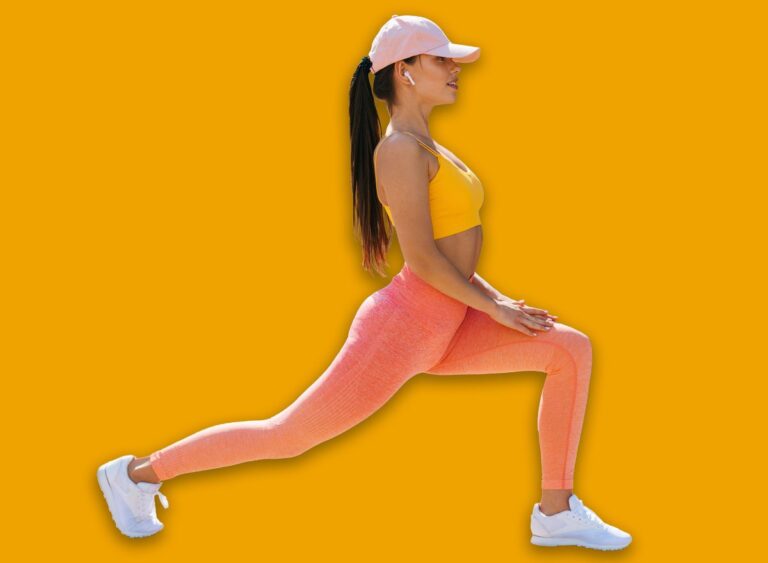
Reverse lunges—stepping back and returning to standing—train each leg individually. This single-leg demand is crucial after 60 because it builds strength evenly on both sides and forces each leg’s stabilizing muscles to work harder. The front leg bears most of the work as you step back and drive yourself upright again.
Wall Support and Progression
The wall in front of you provides a hand position for light support, keeping the movement calm and controlled. This lets you practice the pattern with confidence and precision rather than worrying about balance. As you adapt, experiment with smaller-range lunges, simple step-back taps that don’t require full lunging depth, or wall-supported split squats where you hold a position rather than lunge dynamically. The critical form point: keep your front foot planted as you drive back to standing. This prevents your knee from shifting forward excessively.
Standing Leg Extensions: Direct Quadriceps Work
Why Quad Strength Matters
The quadriceps—the large muscle on the front of your thigh—deserves direct training. Stronger quads make a measurable difference in knee stability when you walk, stand, and navigate stairs. Standing leg extensions, supported by the wall, give you this direct work in a safe, simple setup.
Technique and Variations
The wall provides balance stability while your working leg focuses purely on lifting and lowering with control. Your thigh stays steady while your lower leg does the moving. This isolation is valuable because it removes the balance demand and lets the quad do its job without distraction. You can modify this exercise through smaller ranges of motion, performing it seated if standing becomes too demanding, or adding a resistance band around your thigh for additional challenge. The form foundation: keep your lifted thigh stable and level while the lower leg extends and returns.
Calf Raises: Overlooked Stability Builders
The Role of Calf Muscles
Many people overlook calf training despite its importance for knee comfort. Your calf muscles contribute significantly to walking, balance, and push-off power. Strong calves also improve ankle control, which in turn stabilizes the knee during standing movement.
Alignment and Progression
The wall makes this exercise simple enough to repeat consistently. Lifting through your big toe and second toe ensures your ankles stay properly aligned throughout the movement. This alignment translates into better force transfer through your entire lower leg and foot during daily walking and standing. Progress calf raises by using a smaller range of motion if full raises feel challenging, slowing the movement for more time under tension, or shifting your weight onto a single leg for significantly greater demand.
Consistency and Recovery: Beyond the 10 Minutes
Building Progress Over Time
Knee strength builds gradually through consistent practice over weeks. Give this routine time to settle into your movement pattern before changing it. Progress often shows up first as reduced hesitation, improved control, and greater confidence when navigating stairs or uneven ground—not necessarily as dramatic strength jumps.
Supporting Recovery Daily
Your daily habits outside the 10-minute session matter significantly. Regular walking provides ongoing stimulus for your legs, adequate protein supports muscle repair and growth, consistent hydration keeps your tissues healthy, and comfortable daily movement patterns reinforce what you’re training. The routine should feel noticeably more organized and controlled during your second week of practice. Stick with it for several weeks before adding difficulty. As your legs adapt, daily life becomes noticeably easier—stairs feel less daunting, standing for longer periods requires less effort, and your overall confidence in movement naturally improves.
Frequently Asked Questions
How long does the wall routine take?
The entire routine takes 10 minutes total. You perform each of the five exercises for 40 seconds, then use 20 seconds to transition, then repeat the same five exercises one more time.
What muscles does this routine train?
The routine targets your quadriceps, glutes, thighs, and calves. These muscles support your knees and help with walking, climbing stairs, balance, and standing movements.
What equipment do I need?
You need a clear wall section, supportive shoes, and enough space to step backward safely. A sturdy chair placed nearby is optional for extra support during standing exercises.
