
Key takeaways
- The core stabilizes every daily movement, from walking to carrying groceries. Building core strength at 65+ preserves independence, beyond just appearance.
- Wall exercises eliminate the barrier of getting down and up from the floor while allowing full progression as strength improves.
- Nordquist shares four movements that train different core functions: spinal stability, dynamic balance, trunk control, and anti-rotation protection.
The Rectus Abdominis: What a Six-Pack Really Is
When people discuss a six-pack, they are referring to a visibly toned rectus abdominis, the long muscle running down the front of the abdomen. Everyone possesses this muscle, yet developing a sculpted, strong abdominal section requires deliberate work in both diet and exercise. For adults over 65, achieving this goal involves different considerations than it might for younger populations. The priorities shift from pure aesthetics to functional strength, joint safety, and the practicality of training without relying on floor-based movements that may be difficult or risky to perform regularly.
Why Core Strength Becomes Critical After 65
The core serves purposes far beyond appearance. Layne Nordquist, senior vice president of fitness at VASA Fitness, brings 15 years of training experience and holds 10 fitness certifications including NASM, FMS, and CFSC. He explains that the core functions as the foundation for nearly every movement the body performs. Walking, rising from a seated position, carrying groceries up stairs, maintaining balance on uneven surfaces, and lifting objects from a countertop all depend on core stability and strength.
Strong core muscles support better posture, balance, stability, and overall movement quality. These qualities grow increasingly important with age. Building and maintaining core strength preserves physical function and independence. Older adults who develop core strength maintain the ability to continue doing the activities that bring satisfaction and purpose to daily life without assistance or limitations. This becomes especially relevant for adults over 65 who want to remain active and self-sufficient in their daily routines.
Why Wall Exercises Work for Older Adults
A wall provides an accessible training tool that sidesteps one of the biggest barriers many older adults face with traditional floor exercises. For some, the most difficult part of a floor exercise is not the movement itself, but the physical demand of getting down onto the floor and back up safely. This barrier often prevents older adults from engaging in core training altogether, despite the clear benefits of maintaining strength.
A wall offers external support that reduces balance demands and allows practitioners to focus on creating muscle tension, controlling their movement with precision, and using proper technique. By providing stability, the wall eliminates the fear of falling or losing balance, which can make older adults hesitant about attempting challenging movements. Wall exercises are remarkably easy to progress or regress based on individual capacity. Adjustments to foot position, body angle, range of motion, tempo, or added resistance can significantly change the difficulty level. This flexibility means an older adult can start safely and advance as strength improves without needing specialized equipment or a training facility. The wall becomes both a safe training partner and a progressive resistance tool.
The Four Wall Exercises That Build Core Strength
The Wall Plank
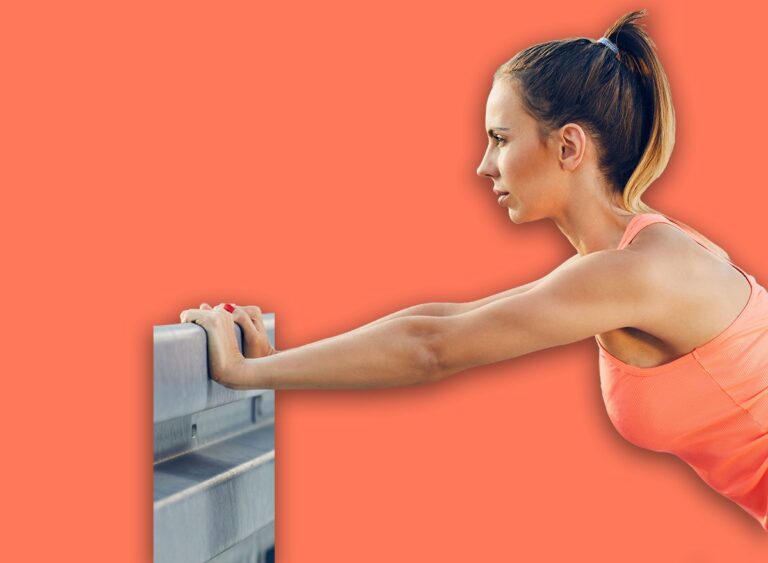
The wall plank is identified by Nordquist as an ideal starting point for core training. This exercise trains the core to resist spinal extension while stabilizing the spine, all without requiring anyone to get down to the floor. Unlike floor-based planks, the wall plank keeps the body supported and upright, making it accessible and safe. As strength improves, the movement can be made more challenging simply by moving the feet farther away from the wall. This simple progression requires no equipment and takes only seconds to adjust. When sufficient strength develops and more resistance is needed, the movement can progress to a traditional floor plank, offering a clear pathway from accessible beginner movements to more demanding variations.
Wall Plank with Leg Movement
Building on the wall plank, this variation introduces movement of the legs while the plank position is held. The core must now stabilize the pelvis and spine while the legs are actively moving. This version incorporates hip flexion, coordination, and balance, transforming it into a highly functional core exercise that mimics how the core works during daily activities. Walking requires moving the legs while keeping the torso upright and controlled, precisely the kind of stability this exercise trains. By practicing this pattern with a wall for support, older adults can improve their ability to walk safely and with better posture.
Standing Trunk and Pelvic Control
Not all wall exercises require a plank position. Nordquist highlights a standing movement that teaches one of the most important core functions: maintaining trunk and pelvic control while the arms and legs move independently. This standing variation serves as a functional alternative to the dead bug, a traditional floor exercise performed lying on the back. While the dead bug requires lying on the floor, a significant barrier for many older adults, this wall-based variation accomplishes the same goal while standing. By performing the movement while standing, older adults can build essential core control patterns while maintaining balance and upright posture. This movement pattern directly supports activities like reaching for objects, bending safely, and maintaining stability when limbs are extended in different directions.
Anti-Rotation Work
Another wall exercise focuses on training what’s called anti-rotation: the core’s ability to resist unwanted rotational movement. This capacity is vital for real-life function. The core is not only designed to create movement; it is equally responsible for resisting unwanted movement and maintaining spinal and pelvic stability during walking, lifting, carrying, and reaching. Anti-rotation exercises teach the core to brace against rotational forces, a skill that protects the spine during functional movement and daily activities. For older adults, this ability becomes increasingly important as it helps prevent falls and injuries that can result from losing balance during everyday tasks.
Source: Eat This Not That
Frequently Asked Questions
Why are wall exercises better than floor exercises for older adults?
A wall provides external support that reduces balance demands and eliminates the challenge of getting down to and up from the floor safely. Wall exercises allow practitioners to maintain focus on proper technique while remaining stable and supported.
What is the rectus abdominis and why does it matter?
The rectus abdominis is the long muscle running down the front of the abdomen responsible for the appearance of a six-pack. Everyone has this muscle, but developing visible, sculpted abs requires the right diet and exercise. More importantly, core strength supports daily movement patterns like walking, carrying groceries, and rising from a seated position.
Can wall exercises progress over time?
Yes. Wall exercises can be made more challenging by moving the feet farther from the wall, changing body angle, adjusting range of motion, or increasing tempo. According to Nordquist, as strength improves, some movements like the wall plank can eventually transition to floor variations for increased resistance.
