
Key takeaways
- The rear deltoid, the back part of your shoulder, is the most critical muscle for people over 60, improving posture, stability, and injury prevention.
- Strong shoulders maintain independence: reaching high shelves, pouring drinks, and changing lightbulbs become easier when your shoulder muscles are properly trained.
- Consistent morning training with balanced work across all three deltoid heads produces better results than occasional heavy lifting for people over 60.
The shoulder is a ball-and-socket joint supported by your rotator cuff and surrounding muscles. This configuration allows you to reach, lift, and push—capacities that matter in virtually every daily task. Your independence depends on healthy shoulders.
Liz Hilliard, Creator and Owner of Hilliard Studio Method, brings more than 20 years of personal and group training experience to shoulder strengthening. According to guidance she provided to Eat This Not That, many people benefit from rethinking their approach to shoulder training. A revised routine can accelerate your progress.
Understanding Your Shoulder
The Ball-and-Socket Joint
Your shoulder’s range of motion comes from its ball-and-socket structure, which is controlled by your rotator cuff and the muscles surrounding it. This combination of mobility and control means your shoulder is effective but also vulnerable. When these supporting muscles weaken, your shoulder becomes less stable, making everyday movements harder and injury more likely.
Daily Tasks That Depend on Shoulder Strength
Reaching for objects on high shelves, tucking in a kitchen chair, pouring your morning tea, and changing a lightbulb all depend on functional shoulders. Muscle naturally diminishes with age, and the shoulder is no exception. Without intentional strength work, the ability to move your arm freely and powerfully declines, making these tasks harder or impossible.
The Critical Role of the Rear Deltoid
What It Does
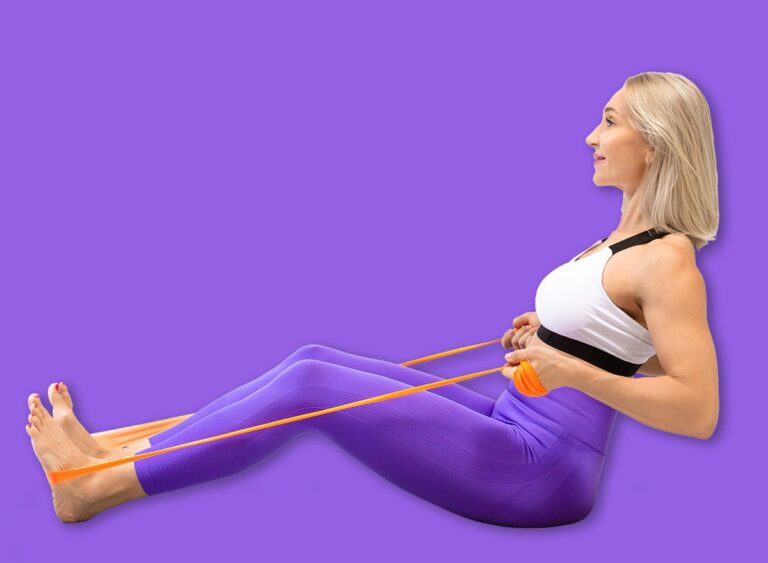
The rear deltoid is the back part of the shoulder muscle. According to Hilliard, this is one of the most important muscles to work on for strong shoulders. The rear deltoid maintains proper posture and is engaged in any pulling motion. Because it acts as a shoulder stabilizer, strengthening it directly affects how your entire shoulder functions.
Why It’s More Important After 60
Hilliard emphasizes that this muscle is critical for everyone but becomes especially important as people age. The rear deltoid should be strengthened and balanced with the front and top deltoid for overall shoulder strength. When the rear deltoid is weak, your posture suffers, and your shoulder becomes more prone to injury.
Real Benefits
Strengthening the rear deltoid improves your posture, keeps you strong and balanced, and reduces your risk of shoulder injury. These are not minor benefits for someone over 60—they directly support your ability to live independently and move without pain.
Building a Stronger Routine
Morning Training Consistency
Morning exercise routines offer built-in consistency: you complete the work before the day’s distractions arise. For shoulder strength specifically, regular morning sessions become habit quickly. Shoulder strength is maintained through consistency, not through occasional intense sessions, so a morning routine helps you stay on track.
Balanced Deltoid Work
While the rear deltoid deserves emphasis, true shoulder strength requires balanced work across all three parts of the deltoid muscle. This prevents imbalances that cause pain and limit movement. An effective routine addresses the rear, front, and top deltoid proportionally for lasting strength.
What to Expect
Switching to a fresh shoulder routine can accelerate your progress. By focusing on muscles and patterns that support real-world function, including pulling motions that engage the rear deltoid, you build strength that translates directly to your daily activities. You will notice improvement in how easily you perform tasks that once felt difficult.
The timeline for results varies by individual, but consistency matters more than intensity. Working your shoulders regularly through properly designed movements produces better results than occasional heavy lifting, particularly for people over 60 whose recovery is slower and injury risk is higher with heavy loads.
Expert Guidance for Your Training
Liz Hilliard’s Hilliard Studio Method represents two decades of refining approaches to strength for older adults. Her emphasis on the rear deltoid and balanced shoulder work reflects evidence that these muscles deteriorate first and require focused attention. If you are beginning a new routine, working with a trainer who specializes in older adults ensures you perform movements safely and avoid common form mistakes that lead to injury.
Starting your day with intention around shoulder health is one of the most practical investments you can make in your long-term independence and quality of life.
Source: Eat This Not That
Frequently Asked Questions
Why is the rear deltoid so important after 60?
The rear deltoid maintains proper posture, acts as a shoulder stabilizer, and is engaged in pulling motions. According to Liz Hilliard, strengthening it becomes especially important with age because it improves your posture, keeps you strong and balanced, and reduces your risk of shoulder injury.
What everyday activities depend on strong shoulders?
Reaching for objects on high shelves, tucking in a kitchen chair, pouring your morning tea, and changing a lightbulb all depend on shoulder strength and ability.
Why should morning exercise be part of your shoulder routine?
Morning routines provide built-in consistency that helps you complete your work before daily distractions interfere. Shoulder strength is maintained through regular, consistent training rather than occasional intense sessions, making a morning schedule an effective habit.
