
Key takeaways
- Bodyweight core exercises are far gentler on aging spines than weighted ab work while delivering equal or superior strength gains.
- Dead bugs, reverse crunches, and bird dogs train your core while protecting your neck and upper back from strain.
- Mountain climbers and shoulder taps combine core training with cardiovascular benefit and full-body engagement.
- Side planks strengthen obliques and improve overall core stability, supporting better posture and movement quality.
Stepping into a gym to build core strength, most people assume they need to load up an ab machine or pull heavy weights to sculpt their midsection. After 50, however, that assumption can work against you. Your own bodyweight provides more than sufficient resistance when the right movements are chosen and performed with precision, and research backs up what personal trainers have been saying for years: bodyweight-based core work is far gentler on your spine than weighted ab exercises, a critical advantage for healthy aging.
Why Bodyweight Core Training Succeeds After 50
Protecting Your Spine and Discs
Weighted ab exercises can place strain on aging intervertebral discs, a concern that becomes more pressing as you move through your 50s and beyond. Well-chosen bodyweight movements build the same strength without that additional mechanical stress. The distinction matters enough that health professionals increasingly recommend bodyweight-based routines for clients in this age group.
Control and precision matter far more than added resistance at this stage of life. Slow, deliberate movements allow your core muscles to strengthen while your spine remains stable and protected. This approach to core training honors the structural realities of aging without sacrificing results.
Building Functional Strength and Stability
Beyond spine safety, core strength directly influences balance, posture, and the kind of stability that keeps you steady on your feet as you move through daily life. Strong core muscles prevent the compensatory patterns that develop when your midsection is weak, protecting both your movement quality and your confidence in how your body performs.
James Bickerstaff, a certified personal trainer at OriGym, consulted by Eat This Not That, assembled six bodyweight movements that train the entire core from top to bottom without requiring any equipment. These exercises are designed specifically to deliver results while respecting the biomechanical needs of adults over 50.
Dead Bugs: Core Engagement With Movement
Dead bugs train your core to stay engaged while your arms and legs move independently, a dynamic stability challenge that mimics real-world movement patterns. According to Bickerstaff, “Dead bugs strengthen the deeper core muscles without placing excessive strain on the spine. The slow, controlled movement teaches you to keep your core engaged while your arms and legs move independently.”
The exercise requires lying on your back with arms extended toward the ceiling and knees bent at 90 degrees. From this position, lower your right arm overhead while simultaneously straightening your left leg, hovering it just above the floor. Return to the starting position, then repeat on the opposite side. The control required to prevent your lower back from arching is what makes this movement so effective; it is not about speed, but about maintaining tension throughout the motion.
Reverse Crunches: Neck-Friendly Abdominal Work
Reverse crunches deliver a strong abdominal contraction without requiring you to repeatedly lift your upper body off the floor, a movement pattern that can stress your neck and upper back over time. According to Bickerstaff, the key is “using your abs to curl the pelvis upwards rather than creating momentum by swinging your legs.”
Lie on your back with your legs bent and feet flat on the floor, hands beside your head for light support. Using your abdominal muscles, curl your pelvis and lower back up toward your chest, holding briefly at the top. The movement is small, focused on your pelvis rather than your whole torso, but the abdominal contraction is powerful. Avoid the temptation to swing your legs or use momentum to complete the rep; controlled movement ensures your abs do the work rather than your hip flexors.
Bird Dogs: Core Stability Through Balance
Bird dogs blend core strength with balance and spinal stability in a single movement, training your core to resist rotation as your limbs move. Bickerstaff explains that “your abdominals have to resist rotation as your limbs move, making this a very functional way to train the core.”
Start on your hands and knees, with hands directly under your shoulders and knees under your hips. Extend your right arm forward and left leg backward simultaneously, creating a straight line from your fingertips to your toes. Hold for a moment while resisting any tendency for your torso to rotate, then return to the starting position. Repeat on the opposite side. The stability required to prevent rotation is what engages your deep core muscles and builds genuine functional strength.
Mountain Climbers and Shoulder Taps: Full-Body Core Work
Mountain Climbers for Cardio and Core
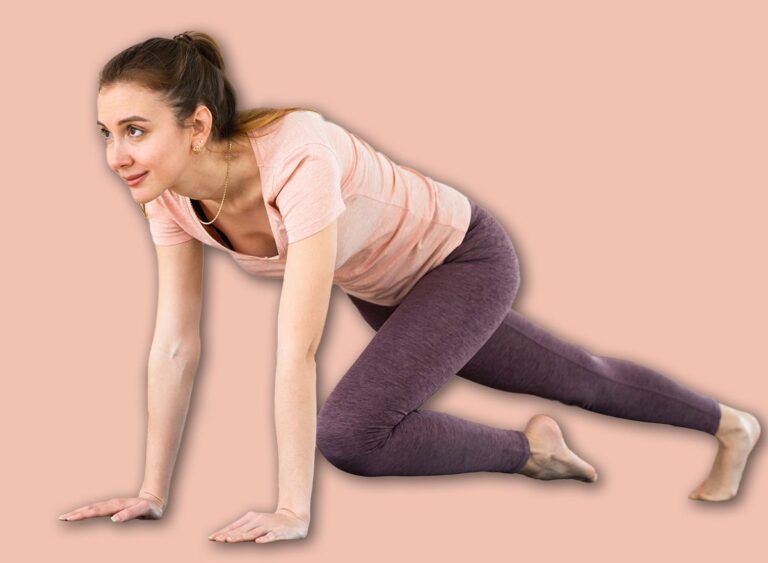
Mountain climbers drive your knees while holding a plank position, keeping your abs engaged while simultaneously raising your heart rate. This combination of core strength and cardiovascular demand makes the exercise particularly efficient. According to Bickerstaff, “Mountain climbers combine abdominal work with a cardiovascular challenge. They recruit the core, shoulders and legs simultaneously, making them an efficient full-body movement that can also increase your heart rate.”
From a plank position with hands under your shoulders, drive your right knee toward your chest, then quickly return it and drive your left knee forward, alternating in a controlled climbing motion. The pace should feel steady, not frantic; your core should remain tight and your hips level throughout.
Shoulder Taps for Rotation Resistance
Shoulder taps train your abs to resist rotation, a capacity that research suggests is crucial for core strength and stability. From a plank position, lift one hand to tap the opposite shoulder, then replace it and tap the opposite shoulder with the other hand. The movement is small, but the challenge is significant: because lifting one hand threatens to destabilize your torso, your core muscles must work hard to keep you square. Bickerstaff notes that “they train your abs as stabilizers rather than simply creating movement, while also strengthening your shoulders and arms.”
Side Planks: Targeting the Obliques
Side planks zero in on your obliques, the muscles along the sides of your waist that support posture and rotational movements. Lie on your side with your forearm on the floor, elbow directly under your shoulder, legs stacked and body in a straight line. Press through your forearm to lift your hips off the ground, creating a straight line from your head to your heels. Hold this position while maintaining neutral spine alignment.
According to Bickerstaff, “Side planks are effective for strengthening your obliques along the sides of the waist. They also improve overall core and hip stability, which can support better posture and movement.” Strong obliques contribute to spinal stability and help prevent the postural collapse that sometimes accompanies aging.
Building and Progressing Your Routine
Begin with these six movements performed once or twice per week, starting with shorter durations and building gradually. Dead bugs, reverse crunches, and bird dogs can be performed for 10 to 15 reps per side; mountain climbers and shoulder taps for 20 to 30 seconds; and side planks for 20 to 45 seconds per side. As strength improves, increase the duration or reps rather than adding weight, allowing your body to adapt and strengthen in the safest possible way.
Recovery matters as much as the workouts themselves. These movements are gentle on your joints and spine, but they still demand muscular effort. Ensure adequate rest between sessions and incorporate these exercises into a broader fitness routine that includes walking, flexibility work, and strength training for your lower body. Consistency over months and years will deliver the core strength, stability, and confidence that supports active aging.
Source: Eat This Not That
Frequently Asked Questions
How many reps or sets should I do for each exercise?
Dead bugs, reverse crunches, and bird dogs work best at 10 to 15 reps per side. Mountain climbers and shoulder taps should be performed for 20 to 30 seconds, while side planks should be held for 20 to 45 seconds per side. As strength improves, increase duration or reps rather than adding weight.
How often per week should I do this routine?
Begin with these six movements once or twice per week. Recovery matters as much as the workouts themselves, so ensure adequate rest between sessions. Incorporate these exercises into a broader fitness routine that includes walking, flexibility work, and strength training for your lower body.
Why is core strength particularly important after 50?
Core strength is linked to improved balance, posture, and stability that keeps you steady on your feet and confident in how you move as you get older. Strong core muscles also prevent compensatory patterns that develop when your midsection is weak, protecting both movement quality and long-term health.
