
Key takeaways
- A 2023 meta-analysis found resistance training to be among the most effective ways to improve strength in older adults with sarcopenia.
- Push-ups, squats, glute bridges, and plank shoulder taps target multiple muscle groups without requiring any equipment.
- Bodyweight exercises allow older adults to build muscle and definition while protecting their joints from excessive stress.
- Quality of movement matters more than quantity of repetitions, and progression happens naturally as exercises become easier over time.
After 60, many adults notice their muscles losing the firm, defined appearance they once had. This change isn’t simply cosmetic—it reflects a biological process called sarcopenia, where muscle mass and strength gradually decline with age. The good news: according to a 2023 meta-analysis, resistance training ranks among the most effective ways to improve muscle strength and physical performance in older adults experiencing sarcopenia.
James Bickerstaff, a certified personal trainer at OriGym, recommends four exercises that can restore muscle definition and strength using only your body weight. These movements require no gym equipment, fit easily into a daily routine, and can be performed anywhere. Unlike heavy weight training, bodyweight exercises offer older adults the chance to build meaningful muscle while protecting their joints from excessive stress.
Why Muscle Definition Fades Over Time
Sarcopenia, the progressive loss of muscle mass and strength, is a natural part of aging that accelerates after 60. As muscles shrink, the toned appearance that comes from having adequate muscle mass diminishes along with it. This loss affects not only how people look, but also their ability to handle everyday physical demands like climbing stairs or maintaining balance.
The encouraging finding from the 2023 meta-analysis shows that older bodies retain their capacity to respond to resistance training. Muscle tissue can rebuild and strengthen at any age when given appropriate stimulus. This means the post-60 years offer an opportunity to rebuild strength and definition that have declined, not a point of no return.
Building Muscle Without Heavy Equipment
Bodyweight resistance training provides a practical alternative to traditional weight training for adults over 60. It delivers the stimulus muscles need for growth and definition while eliminating the shock to joints that heavy loads can create. Bickerstaff emphasizes that these exercises engage multiple muscle groups at once, creating efficiency in training time and compound effects on overall strength.
The bodyweight approach also solves a common barrier: accessibility. No commute to a gym, no equipment purchases, and no intimidation from a busy fitness center. An adult can perform these movements in a bedroom, living room, or backyard at whatever time works best. For those who haven’t trained consistently in a while, starting with bodyweight eliminates the pressure to match younger lifters while still providing genuine resistance.
Upper-Body Strength Without Weights
Push-ups for Chest, Shoulders, and Arms
Push-ups are the foundational upper-body exercise that has remained effective across decades because they work multiple areas in a single movement. “Push-ups are effective because they strengthen several areas at once, including your chest, shoulders, triceps and core,” Bickerstaff explains. “Using your own body weight as resistance can help maintain upper-body muscle and create greater definition as strength improves.”
For older adults, push-ups can be modified to match current strength levels. Performing them against a wall, on an elevated surface like a kitchen counter, or on the knees preserves the muscle-building benefit while reducing the demand on joints and connective tissue. The movement teaches the body to press weight away from the torso, a pattern that becomes important for pushing open heavy doors or getting up from the ground.
Plank Shoulder Taps for Core and Shoulder Stability
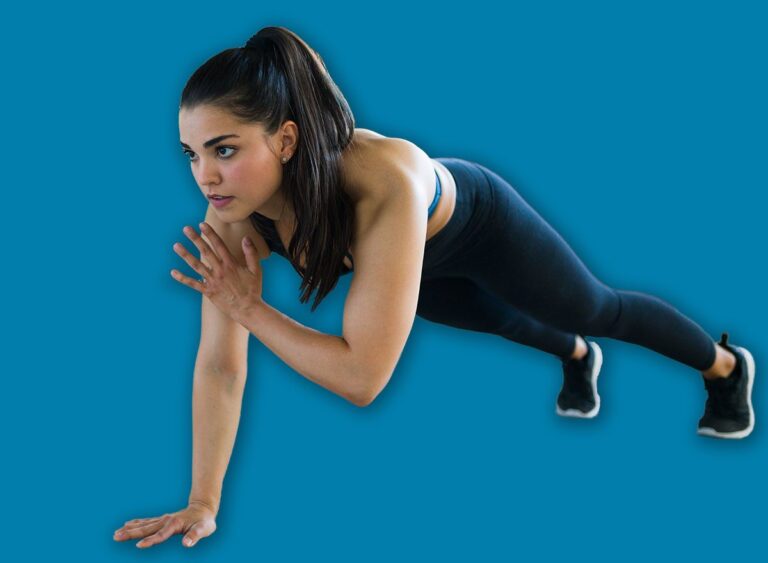
Plank shoulder taps take the static plank and add dynamic movement that engages the shoulders, arms, and core simultaneously. “Your shoulders, arms and core all have to work together to stop your body from rotating,” Bickerstaff says. “This makes plank shoulder taps a challenging but effective exercise for building strength and definition across your upper body and midsection.”
This movement trains rotational stability, a capacity that deteriorates with inactivity but improves rapidly when challenged. Stronger core and shoulder muscles translate to better posture, reduced lower-back strain during daily activities, and greater confidence when reaching or twisting to one side.
Lower-Body Exercises for Strength and Function
Squats for Legs and Hip Strength
Squats engage the entire lower body, including the quads, glutes, and hamstrings—the large muscle groups that power walking, standing, and climbing. “Maintaining these muscles becomes increasingly important after 60,” Bickerstaff explains. “Not just for definition, but for preserving the strength needed for everyday activities like climbing stairs.”
Squats train the same movement pattern your body uses to rise from a chair, walk uphill, or stand from the floor. By regularly strengthening the muscles involved in squatting, older adults maintain independence in daily life while also building visible muscle tone in the legs and backside. The exercise builds functional strength that directly carries over to real-world tasks rather than isolated gym movements.
Glute Bridges for Posterior Chain Development
Glute bridges target the glutes and hamstrings, muscles that tend to weaken significantly with age and sedentary habits. “These muscles can lose strength with age, so regularly challenging them can help maintain shape and definition while also supporting your hips and lower back,” Bickerstaff says.
The glute bridge is particularly joint-friendly because it removes compressive load from the knees and lower back while still building strength across the posterior chain. This makes it an ideal exercise for older adults who may have joint sensitivities or a history of lower-back discomfort. A stronger posterior chain improves posture, reduces slouching, and protects the lower spine during bending and lifting.
Starting Your Bodyweight Training Routine
Incorporating these four exercises into a daily routine doesn’t require hours of time or access to specialized facilities. Begin with movements at an intensity that feels manageable. This might mean wall push-ups instead of full push-ups, shorter holds for planks, or partial range of motion on squats. The goal is consistent repetition that gradually improves over weeks and months.
Focus on quality of movement over quantity of reps. A few well-executed push-ups build muscle more effectively than many sloppy ones. Similarly, a plank hold where the body stays stable and aligned creates stronger adaptations than one where the hips sag or rotate.
Progression happens naturally: as these exercises become easier, add an extra rep, hold longer, or reduce modifications to increase the challenge. Over time, this steady increase in demand triggers the muscle growth that restores definition and strength lost to sarcopenia. Consistency matters far more than intensity. Performing these movements daily or several times per week yields better results than occasional intense sessions.
Source: Eat This Not That
Frequently Asked Questions
Why does muscle definition fade after 60?
Muscle definition fades due to sarcopenia, the gradual loss of muscle mass and strength with age. As muscle mass shrinks, the toned appearance diminishes, which also affects the ability to perform daily physical tasks like climbing stairs.
Can older adults still build muscle with resistance training?
Yes. According to a 2023 meta-analysis, resistance training ranks among the most effective ways to improve muscle strength and physical performance in older adults experiencing sarcopenia. Muscle tissue can respond to and rebuild from resistance at any age.
What are the four exercises recommended for restoring muscle definition?
The four exercises are push-ups (for chest, shoulders, triceps, and core), squats (for quads, glutes, and hamstrings), glute bridges (for glutes and hamstrings), and plank shoulder taps (for shoulders, arms, and core). All can be performed without equipment.
