
Key takeaways
- Five morning exercises, performed 8–10 minutes daily, rebuild bone density through mechanical loading more effectively than supplements.
- Loading triggers osteoblasts to strengthen bones via Wolff's law, a principle established since the 1890s.
- Realistic bone density improvements of 2–5 percent by 12 months reduce fracture risk at the hip, spine, and wrists.
- Bone density is the strongest predictor of independent living into your 70s and 80s.
Morning exercise programs specifically targeting bone density have emerged as one of the most effective strategies for preventing fractures in adults over 60. A personal trainer with close to 40 years of experience and co-founder of TRAINFITNESS, the UK’s leading provider of personal training courses, has spent over 25 years documenting how five short morning exercises rebuild bone strength more effectively than supplement regimens.
The decline in bone density after 60 isn’t primarily an inevitable consequence of aging—it’s a response to disuse. Without consistent loading demands, bones naturally thin from the inside out. By age 60, women have often lost 20 percent of their peak bone mass, with men following a similar trajectory. The outer structure remains unchanged, creating a dangerous gap: the interior becomes increasingly porous, transforming what would have been a bruise at 40 into a fracture at 65.
Why Bones Stop Building
The mechanics of bone loss center on how modern life removes the loading demands bones need to stay strong. Sitting, walking on soft surfaces, and carrying minimal weight leaves bones with no signal to maintain their density. Your body naturally reduces bone density to a maintenance level, far below what they used to support.
Hormonal changes compound this pattern. After menopause, estrogen levels drop significantly, and testosterone decline in men plays a similar role in bone density. Without these hormonal signals, the body loses a primary driver for keeping bones dense.
Calcium and vitamin D status rounds out the picture, particularly in this age group during winter months. This is where supplements seem like the obvious answer, but they address only one piece. Calcium in a bottle, without the mechanical loading that signals your body to build, sits unused. Supplements provide the building blocks; they don’t tell your body to build.
The Science of Loading and Wolff’s Law
When you land on a heel or press through a squat, the mechanical stress on bone triggers specialized cells called osteoblasts to lay down new bone in the loaded areas. This process, known as Wolff’s law and established since the 1890s, demonstrates that bones adapt to the forces applied to them. Loading is the signal that tells your body your bones need to be stronger than they currently are.
Why Morning Timing Matters
Morning routines create two distinct advantages. The first is habit formation—something done first thing has a higher probability of occurring tomorrow. The second is that impact and load in the morning prime your body for a more active day, stacking up additional loading opportunities throughout the hours that follow. A morning routine naturally leads to a moving day.
The Three Vulnerable Zones
Research consistently identifies three bone areas most susceptible to fracture after 60: the hip, spine, and heel. The femur (thighbone) is particularly critical, as hip fractures often mark a dramatic decline in independent living. Wrist fractures from falls are the second most common site and frequently create lasting limitations in daily function. Any effective bone-loading protocol must address all three zones.

Five Exercises That Build Bone Density
The following sequence takes 8 to 10 minutes and should be performed once daily, ideally in the morning.
Heel Drops
Heel drops send a controlled impact wave upward through the spine, hips, and heels. Research has demonstrated that even 20 heel drops per day produce measurable bone density improvements in the hip. The exercise is simple: stand and repeatedly lower your weight onto your heels with a controlled impact. Start with 20 repetitions. The form matters—each drop should be deliberate rather than bouncing.
Bodyweight Squats
Squats load the hips, femurs, and spine through the exact range where fractures most commonly occur. They function as one of the most efficient bone-loading exercises available because they engage the entire lower body simultaneously. The form tip here is crucial: take 2 seconds to lower and 1 second to stand. This deliberate pace creates far more training stimulus for bone than quick repetitions.
Single-Leg Load
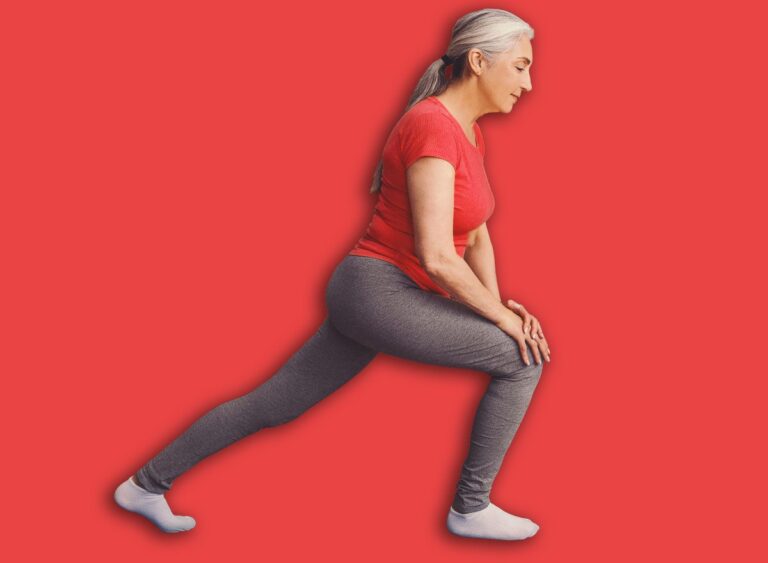
Single-leg variations load one leg at a time, which effectively doubles the load per leg compared to two-legged exercises. This is where the largest bone-density gains occur, because the hip and femur must support your entire body weight on one side. The form adjustment involves taking a longer step to keep your shin more vertical, positioning the load exactly where you need it. Start with a number of repetitions you can handle on each leg.
Upper Body Push Loading
Wrists, forearms, and shoulders require specific loading to prevent fractures—the second most common fracture site after the hip. Push-up variations or wall push-ups load these areas effectively. The form progression begins with walking your feet back until you feel your wrists working, then progresses to lower surfaces like a kitchen counter as strength builds.
Stomping March
This exercise adds impact loading through the entire leg while mimicking ordinary marching. For people who cannot yet manage hopping or jumping, stomping march produces a strong bone stimulus while remaining accessible. Land through the entire foot, with heel and forefoot making contact together, so impact travels cleanly up through the leg. Aim for at least 60 seconds initially.
Frequency and Progression
Perform these five exercises five or six days per week. Bones respond to frequency, but they also require recovery time to lay down new tissue, making one or two days off weekly essential rather than deviation. This recovery is part of the program.
After the first month, progression becomes critical. Add a second round of each exercise, or increase the heel drops to 30 repetitions and extend the stomping march to 90 seconds. Bones respond to progressive loading. Repeating the same routine indefinitely produces the same result indefinitely.
Complement the routine with at least 20 minutes of walking on most days. While walking alone doesn’t provide strong bone stimulus, it accumulates loading time and activates other pathways supporting bone health.
Timeline: When You’ll Notice Changes
Bone adapts more slowly than muscle, so results don’t materialize in weeks. Within the first month, you’ll likely notice improved steadiness on your feet and fewer small wobbles. These balance and muscle improvements come first.
By 3 to 6 months, the bone itself begins changing. A DEXA scan taken at 6 months and again at 12 months will likely show measurable improvement in bone density if you’ve maintained consistency, particularly at the hip and spine.
After 12 months of consistent adherence, changes can become dramatic. Bone density improvements of 2 to 5 percent are realistic and well documented in loading research. That percentage might seem modest, but at this age it can represent the difference between a bruise and a fracture in an unlucky fall.
Building Independence Into Your 70s and 80s
Bone density ranks among the strongest predictors of independent living into advanced age. Ten minutes of morning loading represents a small daily investment for years of confident walking, unrestricted mobility, and the ability to live independently. The protocol requires no equipment, no gym membership, and no supplements that haven’t been proven in your body. Just consistent mechanical loading and the discipline to show up.
Frequently Asked Questions
How long does the entire routine take?
The five exercises take 8 to 10 minutes, performed once daily in the morning, five or six days per week.
When will I see bone density improvements?
Within the first month, you'll notice better balance and steadiness. Measurable bone density changes appear by 3–6 months on a DEXA scan, with realistic improvements of 2–5 percent by 12 months.
What is Wolff's law and how does it apply to these exercises?
Wolff's law, established since the 1890s, states that bones adapt to the forces applied to them. When you land on a heel or squat, mechanical stress triggers osteoblasts to lay down new bone in the loaded areas.
