

Key takeaways
- Five wall exercises rebuild shoulder strength and stability for adults over 60 without requiring heavy weights or equipment.
- Wall exercises improve posture, mobility, and overhead reaching within weeks by teaching proper movement patterns.
- Proper movement mechanics matter more than weight resistance—these exercises build stability first, then strength.
After 60, everyday movements become noticeably harder. Reaching into a kitchen cabinet. Fastening a seatbelt. Putting on a jacket. Carrying groceries. These simple actions—once automatic—now demand conscious effort and care. They all depend on strong shoulders and a stable shoulder joint. The shoulder complex contains multiple muscles, tendons, and ligaments that must work together seamlessly. When they weaken or lose coordination, physical independence slips away.
The conventional response is instinctive: use heavier dumbbells. Build strength with more weight. But this approach misses the real problem. For adults over 60, shoulder health depends far less on weight and far more on stability and proper mechanics. The trainer’s experience shows this clearly—the adults who see the greatest improvements rarely begin with heavy resistance. Instead, they first master movements that restore stability, improve coordination, and rebuild the neuromuscular patterns that support the joint.
Wall exercises deliver exactly this kind of targeted work. Just five specific movements—wall push-ups, wall angels, wall slides, shoulder taps, and wall planks—comprehensively address shoulder weakness while remaining manageable for nearly any fitness level. Done several mornings per week, these exercises rebuild genuine strength and restore confidence in upper body movement. They require no equipment, no weights, and carry minimal injury risk.
Why Shoulder Strength Matters After 60
The shoulder joint represents a complex system. The shoulder blade, the upper arm bone, and a surrounding network of muscles and connective tissue must coordinate perfectly. When this coordination fails, even basic activities become painful or impossible.
The aging process accelerates this problem. Muscle tissue naturally decreases. Posture deteriorates from decades spent at desks, behind wheels, and looking at screens. The muscles responsible for stabilizing and protecting the shoulder joint gradually lose their capacity if not regularly stressed. Reaching overhead becomes difficult. Pushing doors requires extra strength. Grocery bags feel heavier. The world becomes smaller.
The solution lies in targeted, progressive work that addresses the root causes. Wall exercises provide that solution.
The Wall Exercise Advantage
Stability Before Strength
The shoulder’s exceptional mobility—its ability to move in multiple directions—comes with a significant liability: poor inherent stability. The joint can move forward and backward, up and down, and rotate in multiple planes. This freedom of movement comes at a cost: structural instability without strong supporting muscles.
Most older adults assume strength training demands heavy resistance. This assumption is wrong. Healthy shoulders depend first on stability—the muscles surrounding the shoulder blade must fire in the correct sequence and proportion. The joint itself must move through its full range without compensation or strain. These movement patterns must be established before adding weight.
Wall exercises build these patterns. They provide sufficient resistance to challenge muscles while keeping the shoulder positioned safely. The wall acts as a guide, preventing the poor positioning and compensation patterns that emerge when using free weights.
Mechanics Create Strength
Better movement mechanics lead to better strength outcomes—this principle governs effective training after 60. Those who progress fastest master basic movement patterns first, then add resistance. The nervous system learns correct activation patterns, and the muscles respond more effectively to training.
This progression shapes shoulder training strategy. Rather than chasing heavy resistance, the focus shifts to quality of movement, controlled tempo, and precise positioning. Slow, deliberate repetitions strengthen the entire shoulder complex far more effectively than rushing through more reps with poor form.
Wall Push-Ups: The Foundation Exercise
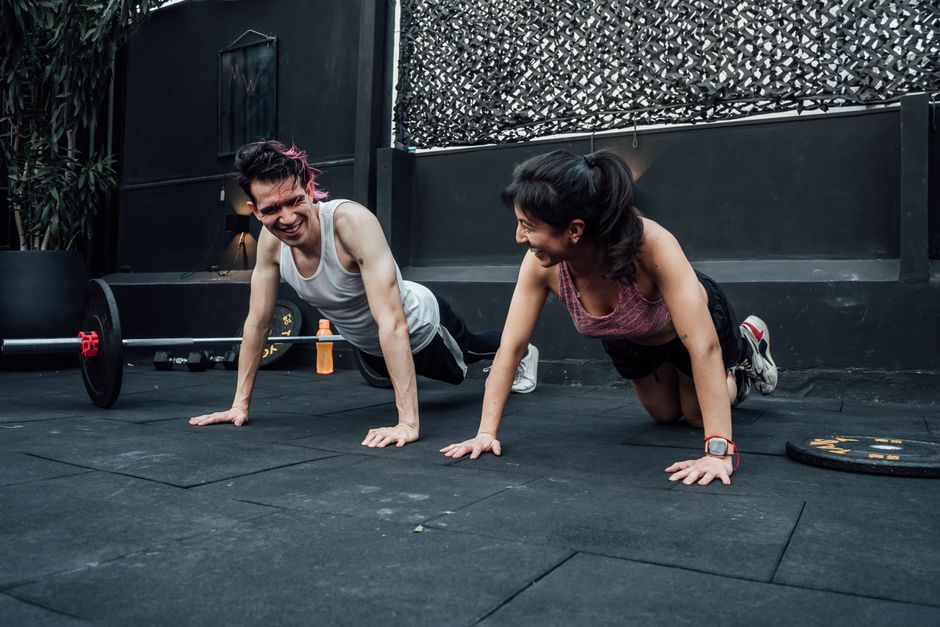
Wall push-ups serve as the essential starting point. Every repetition strengthens the chest, shoulders, triceps, and core while allowing the shoulder blades to move naturally. Resistance comes from supporting body weight against the wall—manageable but genuinely challenging.
Tempo is critical. Control matters more than speed. Moving down for a count of three, pausing briefly, then pushing back up for three counts creates stability throughout the movement. This deliberate pace forces the correct muscles to do the work.
Results appear within weeks. Overhead reaching becomes easier. Pushing doors requires less effort. The improvements combine both actual strength gains and the nervous system learning better movement patterns. Wall push-ups establish this foundation.
Wall Angels: Reversing Rounded Shoulders
Rounded shoulders have become endemic among adults over 60. Sitting at desks, time behind the wheel, screen time spent looking downward—these habits gradually shift the shoulder position forward. The chest tightens. Muscles between the shoulder blades weaken. Result: a forward shoulder position, sunken posture, and persistent neck tension.
Wall angels directly address this problem. They strengthen the muscles between the shoulder blades while improving mobility through the upper back. The exercise restores proper shoulder positioning without stressing the joints. Clients routinely report standing noticeably taller after consistent practice. Neck tension often decreases significantly.
The movement itself is straightforward. Standing with the back against the wall, arms positioned at shoulder height with elbows bent to 90 degrees, the exercise involves sliding the arms upward and downward while maintaining wall contact. This positioning gradually retrains where the shoulder sits naturally.
Wall Slides for Overhead Reaching
Reaching overhead ranks among the most challenging movements for those over 60. Lifting objects from high shelves, reaching for light fixtures, combing hair—overhead movement frequently becomes restricted or painful. Wall slides target this limitation specifically.
The movement strengthens muscles that control upward shoulder movement while building control throughout the complete range of motion. For those struggling with overhead reaching, wall slides reinforce healthy movement patterns without heavy resistance. Forearm contact with the wall ensures proper shoulder positioning from beginning to end.
Consistent practice produces noticeable results. Overhead movement becomes smoother and more controlled. Small changes in shoulder mechanics often create surprising improvements in everyday comfort. The ability to reach freely, without limitation or pain, returns.
Shoulder Taps and Wall Planks: Building Endurance
Two additional movements complete the routine: shoulder taps and wall planks.
Shoulder taps combine shoulder strength with core stability and balance demands. Standing against the wall with weight supported by both hands, the movement alternates between lifting each hand slightly while most body weight remains on the other hand. This forces the stabilizing muscles around each shoulder to remain active throughout. Most people find the exercise more demanding than expected once they begin. Beyond strength, it improves coordination, making everyday reaching and carrying feel more controlled and confident. Once wall push-ups feel manageable, shoulder taps provide an excellent progression.
Wall planks develop shoulder, chest, arm, and core endurance while reinforcing good posture throughout the body. Unlike floor planks, the wall version remains accessible for most adults over 60 while providing genuine challenge. Those practicing consistently report stronger shoulders and noticeably improved posture. The exercise builds the fundamental stability every healthy shoulder requires.
Building a Shoulder Routine That Works
These five exercises create a comprehensive shoulder training program. Performed several mornings each week, they build stronger, healthier shoulders that support movement throughout the day. The entire program costs nothing, requires no equipment, and accommodates any fitness level.
Progress follows a logical sequence. Begin with wall push-ups and wall angels to establish foundational movement patterns. Add wall slides once overhead reaching improves. Introduce shoulder taps as your capacity builds. Conclude with wall planks to develop endurance and core stability.
Quality beats quantity consistently. A few slow, carefully controlled repetitions far exceed the value of numerous rushed repetitions. Maintain proper positioning throughout each movement. Allow muscles to adapt gradually. Consistency delivers strength far more reliably than intensity alone.
Frequently Asked Questions
Why should adults over 60 choose wall exercises instead of dumbbells for shoulders?
Wall exercises build stability and proper movement patterns first, which are more important for healthy shoulders than heavy resistance. They strengthen the muscles that protect the joint and improve posture without unnecessary stress.
How often should I do these wall exercises?
Perform these five exercises several mornings each week for best results building shoulder strength and stability.
How long before I notice improvement from wall exercises?
Most people notice reaching overhead and pushing doors open feels easier within just a few weeks of consistent practice.
