
Key takeaways
- Step-ups train the exact stair-climbing pattern your knees use daily, with an adjustable box height you lower or raise as your strength changes.
- Hip, thigh, and isometric work—glute bridges, split squat holds, and progressive step-ups—rebuilds knee stability faster than squat variations alone.
- Practice all four exercises 3–5 days per week, starting with two full rounds and advancing to three rounds once your knees feel steady.
- Begin with easier versions—a lower step, a higher split squat hold, or a taller box—to establish controlled movement before increasing difficulty.
Many adults over 65 wake with stiff knees that immediately affect the day ahead. Standing from a chair requires more effort than it should, and the first few steps feel uncertain. Rebuilding knee strength doesn’t have to mean enduring long, complex training sessions. A focused morning routine addressing the muscles that support the knee—the thighs, hips, and glutes—can improve stability and make daily movement feel more controlled.
Why Squats Alone Fall Short
Squats have long been the default knee-strengthening exercise, and they do build strength. However, knee stability depends on multiple systems working together. Your knees need stronger quadriceps and hamstrings, better hip support from the glutes, and enough motor control to handle stairs, chairs, and uneven surfaces. Focusing exclusively on squats misses the supporting structures that do much of the real work. The right combination of movements addresses all these angles faster than repetitive squat variations alone.
The four exercises below train the full system your knees rely on. They’re designed to feel clear and controlled from the first rep, without requiring deep ranges of motion or complex balance demands.
Step-Ups: Replicating Stair Mechanics
How the Movement Works
Step-ups directly train the pattern your knees and hips perform multiple times daily when climbing stairs. You step up onto a box, lifting your body weight with the working leg while the supporting leg provides stability. The box height is adjustable, making this one of the easiest exercises to scale to your current ability. If the knee feels unsteady, lower the box. If you feel ready for more, increase the height slightly.
Sets, Reps, and Variations
Perform 2 to 3 sets of 6 to 10 reps per side. Variations include lowering the step height, stepping up while holding onto a support like a railing or chair, or adding a brief pause at the top of each rep. These options let you adjust difficulty without changing the fundamental movement.
Executing the Movement
Step up by pushing through your front leg without bouncing off the floor with your back leg. The lifting motion should come from the thigh and hip of the working leg, not from the momentum of your upper body. Move slowly enough to feel control during every rep.
Split Squat Iso Holds: Stationary Thigh Work
Building Strength Through Stillness
Unlike dynamic movements, isometric holds force the muscles to stay strong in one position while managing fatigue. The split squat iso hold places your front leg in a partially bent position and asks it to maintain that posture without moving. This teaches the thigh muscles to support the knee under sustained tension, a skill that translates directly to standing and sitting activities.
Duration and Positioning
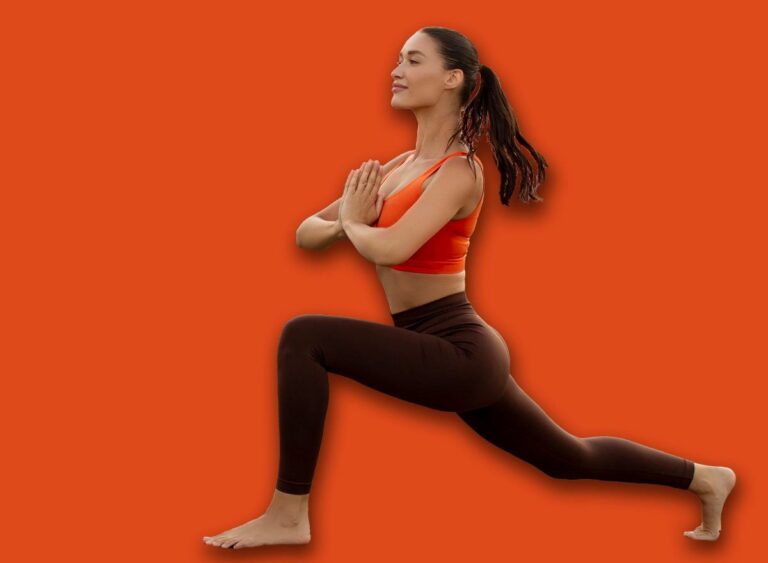
Perform 2 to 3 holds of 15 to 30 seconds per side. Start in a split stance with one leg forward and one back, front knee slightly bent. Lower yourself into a partial lunge position and hold that depth without moving. If balance feels challenging, rest one hand on a counter, wall, or chair for support. The key is keeping pressure distributed through the entire front foot during the hold.
Progression Strategies
You can adjust this exercise by increasing your lunge depth, adding a hand hold for stability at any depth, or reducing your hold duration if 15 seconds feels too long initially. Many people find that practicing a higher split squat hold—where the front knee bends less—before progressing to a deeper hold builds confidence and control.
Glute Bridge: Hip-Driven Stability
Activating the Hip Extensors
Knees often struggle when the hips aren’t strong enough to do their job. The glute bridge trains the large hip muscles from a supported position, allowing your legs to recover from constant standing while your hips build strength. Stronger glutes help control how your thigh aligns during walking, stair climbing, and chair-to-stand transitions.
Proper Execution and Form
Lie on your back with knees bent and feet flat on the floor, hip-width apart. Press through your feet to lift your hips toward the ceiling, squeezing your glutes at the top. Avoid arching your lower back; the movement should come from hip extension, not lumbar extension. Hold this top position long enough to feel the glutes complete the rep. Perform 2 to 3 sets of 10 to 15 reps.
Building Complexity Gradually
Variations include holding the top position for an extended duration, elevating your shoulders on a bench or sturdy couch to increase range, or progressing to a single-leg bridge once the double-leg version feels stable. Start with the basic two-leg version and spend several sessions there before advancing.
Box Squat: Depth-Controlled Strength
Once your knees and hips have adapted to the earlier exercises, the box squat introduces deeper bending in a controlled environment. The box provides a clear target, eliminating guesswork about how deep to go. You can choose the seat height—a taller box for early sessions, lowering it gradually as your strength and confidence grow. Unlike free squats, where depth often varies rep to rep, the box creates consistency.
Perform 2 to 3 sets of 8 to 12 reps. Variations include using a higher box, holding onto a support for balance, or using a slower tempo, pausing for one second at the bottom. The key form cue: touch the box lightly rather than fully relaxing into it. You want to feel your muscles working throughout the movement, not resting on the box between reps.
Structuring Your Morning Routine
Frequency and Initial Volume
Practice these four exercises 3 to 5 days per week. This frequency allows your joints to adapt without overuse. In your first week or two, complete two full rounds of all four exercises. A round means performing all your sets for step-ups, then all sets for split squat holds, and so on. Building familiarity with each movement before increasing volume helps ensure stable progression.
Progression Over Time
Once your knees feel steady and the movements no longer demand full concentration, progress to three rounds. This might take 2 to 4 weeks depending on your starting strength. The progression isn’t about adding weight or depth; it’s about performing more volume while maintaining the same quality movement. If at any point a rep feels out of control or your knees feel sharp pain (not just muscle fatigue), return to two rounds or reduce the difficulty of the current exercise.
Adjusting Difficulty for Your Starting Point
Everyone arrives at these exercises with different capacity. Rather than forcing yourself through a version that doesn’t feel stable, start conservatively. Use a lower step height for step-ups, a higher split squat hold position, a taller box squat, and allow 2 to 3 weeks of two-round sessions before adding volume. This approach builds confident, controlled movement patterns instead of compensatory habits.
Give your knees a few minutes of movement before starting—walk around, march in place, or gently bend your knees without resistance. Proper warm-up helps your nervous system prepare for the work ahead and makes each rep feel clearer. Over time, the strength you build in your thighs and hips translates into knees that feel less guarded during stairs, chairs, and everyday walking.
Frequently Asked Questions
Why focus on these four exercises instead of just doing more squats?
Knee strength depends on your quadriceps, hamstrings, hip muscles, and motor control working together. While squats build strength, this four-exercise approach trains all the supporting structures: step-ups replicate stair-climbing, split squat holds build isometric thigh endurance, glute bridges activate hip stability, and box squats add controlled depth. Together they work faster than squat variations alone.
How often and for how long should I do this routine?
Practice these four exercises 3–5 days per week. Start with two full rounds of all four exercises—meaning you complete all your sets for step-ups, then split squat holds, then glute bridge, then box squat. Once your knees feel steady and movements feel automatic, progress to three rounds. This progression typically takes 2–4 weeks depending on your starting strength.
What should I do if my knees feel unstable when starting?
Begin with the easiest version of each exercise: lower step heights for step-ups, a higher split squat hold where your knee bends less, or a taller box squat. Use support from a chair, wall, or railing if balance feels uncertain. These modifications still build strength while keeping your movement controlled, allowing you to stay with two-round sessions for 2–3 weeks before adding volume.
