
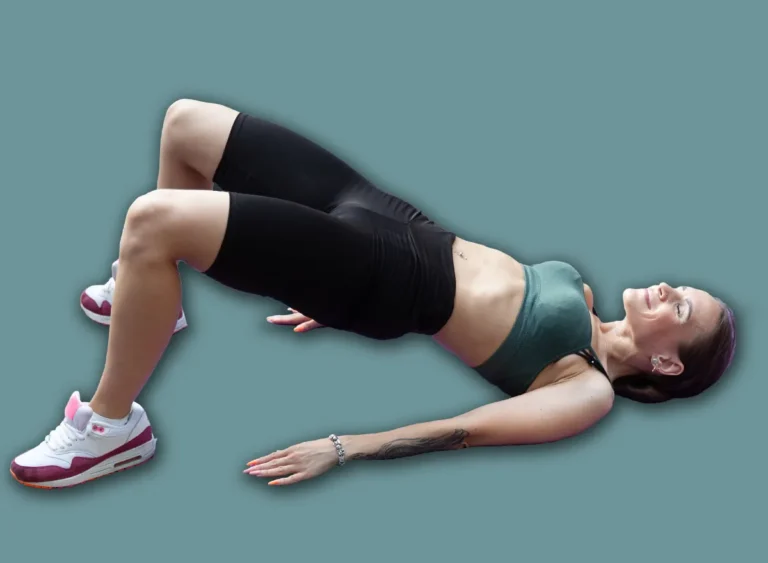
Key takeaways
- Holding a glute bridge for 30-60 seconds after age 55 indicates solid core and glute endurance; over 60 seconds signals excellent stability, exceeding 90% of peers.
- The glute bridge engages the transverse abdominis, obliques, and lower back as stabilizers while the gluteus maximus powers the movement, making it an anti-extension isometric exercise.
- Younger adults (18-35) typically hold bridges for 60-100 seconds; lower benchmarks for older adults reflect natural muscle loss with age, not weakness.
- Bridge strength directly improves daily abilities: standing from sitting, balance, stair climbing, and fall prevention.
The glute bridge has become one of the clearest measures of functional fitness for adults over 55. Holding this position for a specific duration reveals something concrete about your core strength—and according to Rosie Borchert, a certified personal trainer with REP Fitness, if you can sustain the hold, your core likely ranks stronger than 90% of your peers in your age group.
The Bridge Test and What It Reveals
Measuring Core Strength After 55
A glute bridge is a low-impact movement that builds strength and stability in the lower body while protecting the lower back and boosting mobility. When you hold this position, you’re not just working your glutes—your core muscles fire up throughout the hold. Specifically, the transverse abdominis (deep core), obliques, and lower back all engage to keep your body stable and aligned.
The bridge position serves as both an exercise and an assessment tool. Your ability to hold it reveals something about the stability of your spine and pelvis, two areas critical to avoiding falls and moving confidently through daily life.
Why These Benchmarks Matter
Building strong hips through bridge work translates directly to practical abilities: standing up from a seated position without using your hands, maintaining steady balance while walking, climbing stairs without hesitation, and reducing your risk of falls. For anyone over 55, these outcomes matter more than abstract fitness numbers because they determine whether you can live independently and move through the world without fear or limitation.
How Your Core and Glutes Work Together
The Transverse Abdominis and Deep Core Activation
When you hold a bridge, your transverse abdominis—the deepest layer of your abdominal wall—contracts to stabilize your pelvis. Your obliques support this work from the sides, and your lower back muscles engage to prevent your spine from sagging or overextending. The glute bridge isn’t traditionally classified as a “core movement,” yet this misses how thoroughly the core participates in the hold.
The Driver and Passenger Model
Borchert explains the relationship this way: “Think of it like a road trip—the glutes are the driver and the core is the passenger, there to help keep the driver company so they can do their job well.” The gluteus maximus powers the movement by lifting your hips, while your core acts as a stabilizer, working to maintain spinal alignment and prevent your lower back from overextending. Without this core stabilization, your pelvis would tilt incorrectly and you’d lose the benefit of the hold.
Understanding Core Training Categories
Anti-Extension vs. Flexion
Core training falls into four main categories: flexion (like crunches and sit-ups, where your spine bends forward), anti-rotation, lateral flexion, and anti-extension. Crunches and sit-ups activate the front of your body—the rectus abdominis with support from the transverse abdominis and obliques—through dynamic movement.
Isometric Holds as Core Builders
The glute bridge, by contrast, is an isometric, anti-extension exercise that targets the back side of your body. Your core isn’t powering a movement; instead, it engages as a stabilizer, maintaining your body position aligned throughout the hold. This isometric quality—holding a position without movement—trains your muscles to resist forces rather than overcome them, a critical skill for preventing injury during everyday activity.
Hold Times That Signal Different Fitness Levels
The 30-60 Second Range
If you’re over 55 and can hold a glute bridge for 30 to 60 seconds with proper form, you’ve achieved solid glute and trunk endurance. This range accounts for the natural decline in muscle mass and endurance that occurs with aging, placing it within a realistic and healthy target for your age group.
Beyond 60 Seconds
Holding a bridge for more than 60 seconds signals “excellent muscular endurance and above-average hip stability,” Borchert says. This level of performance puts you in the stronger tier of your peer group—something worth noting if you’re working toward specific fitness goals or simply want to know where you stand.
Comparison to Younger Adults
Research shows that younger adults between 18 and 35 typically hold a bridge for 60 to 100 seconds. No formal studies have measured older adults’ performance on this test, but the difference reflects what happens to muscle physiology over time. Losing 30 percent of muscle mass between ages 30 and 70 means that lower benchmarks for older adults aren’t a sign of weakness—they’re a realistic adjustment for age-related biology.
Daily Life Benefits of Strong Hip and Core Stability
The improvements that come from consistent bridge practice extend far beyond a single hold time. Stronger hips and core make it easier to transition from sitting to standing without pushing off with your hands or arms, a movement you perform dozens of times daily. Your gait becomes steadier because your pelvis remains stable beneath you, and your risk of tripping or losing balance drops significantly. Climbing stairs transforms from something cautious into something automatic, and your confidence in moving through space increases proportionally to your actual stability.
Building Your Bridge Practice
Borchert emphasizes that tackling the bridge with proper form and progressive overload—increasing your time under tension week by week as you grow stronger—matters far more than chasing a specific hold time. Begin by practicing the position until your form falters, rest, and then repeat. Each week, aim to add a few extra seconds to your hold or complete an additional set.
Start conservatively if you’re new to the bridge. Three sets of 10 to 20 seconds, performed two or three times per week, builds your foundation safely. As your strength grows, extend the duration of each hold before adding more sets. This gradual approach prevents injury while allowing your nervous system and muscles to adapt to the demands of the position.
The glute bridge offers a concrete measure of something most of us can’t easily quantify: whether our core and lower body have the strength to support a lifetime of independent movement. If you can hold one after 55, you know your strength ranks above most peers. If you can’t yet, the path to getting there is straightforward, low-impact, and deeply practical.
Frequently Asked Questions
What's the right hold time goal for someone over 55?
Holding a glute bridge for 30 to 60 seconds shows solid endurance for your age group. Anything beyond 60 seconds signals excellent muscular endurance and above-average hip stability. Research shows younger adults (18-35) average 60 to 100 seconds, but lower benchmarks for older adults account for natural muscle decline with aging.
Why does core strength matter more after 55?
A strong core and glutes help you stand from a seated position, maintain balance, climb stairs without hesitation, and reduce your risk of falls. These aren't abstract fitness goals—they determine whether you can live independently and move through daily life with confidence.
How is the glute bridge different from crunches or sit-ups?
Crunches and sit-ups are dynamic flexion exercises that round your back and bend your spine forward. The glute bridge is an isometric, anti-extension exercise where you hold a stable position without movement. Your core acts as a stabilizer rather than powering the movement, training muscles to resist forces instead of overcome them.
