
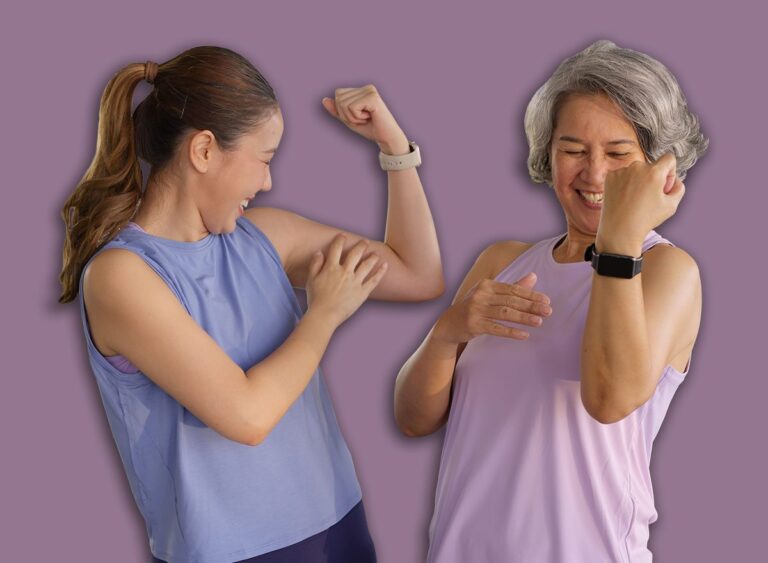
Key takeaways
- An eight-minute chair routine using four simple movements can build measurable strength for adults over 65.
- Each exercise targets a different muscle group and takes just two minutes, requiring only a sturdy chair and light dumbbells.
- Controlled movement and steady breathing matter far more than speed or heavy weights in this routine.
Many people over 65 assume that rebuilding strength requires lengthy gym sessions or specialized equipment. This misconception discourages them from attempting resistance training that could dramatically improve their ability to perform daily tasks. The reality is simpler: a focused eight-minute routine using only a sturdy chair and light dumbbells can restore full-body strength. The benefit of anchoring exercises to a chair is twofold—it provides the balance support many older adults need and it allows you to concentrate entirely on muscle engagement rather than worrying about stability.
After 65, tasks that once felt automatic become noticeably harder. Standing up from a chair demands more effort. Carrying groceries feels heavier. Walking longer distances start to strain your lower body. These changes aren’t inevitable decline; they’re signals that your muscles are ready for targeted work.
The routine consists of four movements, each performed for two minutes. Within those two-minute blocks, complete as many repetitions as you can while maintaining proper form and steady breathing. The emphasis is on a slow, controlled pace rather than speed or high volume. When you keep working throughout the entire two minutes at a steady intensity, eight minutes total is sufficient to strengthen your muscles.
Building Lower Body Strength With the Sit-Stand
The sit-stand exercise directly addresses the most common post-65 challenge: the effort required to stand from a seated position. The movement mimics a squat but uses the chair as a support point. This setup lets you focus your attention on your quadriceps without splitting your energy between muscle engagement and balance correction.
The proper form begins with your chest upright. Push through your feet to stand, then go slowly on the way down to feel the muscle working. Continue for two minutes, resting only if you become too fatigued to maintain proper form. The slow descent is where the real work happens; rushing the lowering phase reduces the exercise’s effectiveness significantly.
Chair Push-Ups for Chest, Shoulders, and Triceps
A traditional floor push-up becomes much less accessible after 65, but the chair variation preserves all the benefits while reducing the risk of injury or strain. This movement strengthens your chest, shoulders, and triceps and is far more achievable than floor work for older adults.
Adjusting Difficulty and Positioning
The difficulty level can be modified by adjusting your foot position. Move your feet backward to make the movement harder and forward to make it easier. Throughout the movement, keep your core tight and your body rigid to maintain proper alignment. The lower back has a tendency to arch if your core isn’t engaged, so brace your lower abdominal muscles constantly. Always position your chair against a wall so it doesn’t slide as you push. If the standard version proves too challenging initially, start by holding a plank with your hands or elbows resting on the chair instead.
Maintaining Control Over Momentum
Perform this movement for two minutes. Keep your core tight and your body rigid during the whole range of motion. It’s very easy for intensity to drift as you tire, but maintaining control matters far more than going faster. A controlled movement creates the muscular demand that drives strength gains.
Strengthening Your Upper Back: The Seated Dumbbell Reverse Fly
The seated dumbbell reverse fly targets your upper back and rear shoulders—areas that commonly weaken as people age and spend more time in forward-facing positions. You won’t need significant weight for this movement. Starting with just a couple of pounds is appropriate and allows you to focus on controlled movement rather than heavy load.
The critical mistake with this exercise is allowing momentum or swinging to take over as fatigue sets in. That swing reduces the tension your muscles experience and undercuts the exercise’s benefit. Avoid using extra momentum to bring the weights up. Keep the movement controlled the entire time. As you tire, it becomes very tempting to start swinging, but resisting that urge preserves the strength-building effect.
Building Hip and Core Stability: The Seated Knee Lift
For these final two minutes, you’ll strengthen your hips and core through seated knee lifts. Like the other exercises, maintain control during the entire movement. Lift one knee, pause briefly, and lower slowly before switching sides.
Keeping Your Hips Level and Steady
A common error is letting your hips rock from side to side as fatigue accumulates. Keep your hips level during the whole set. This keeps your core actively engaged in the work rather than allowing momentum or body swinging to carry you through each repetition.
Adjusting Intensity Through Pacing and Pausing
If you start to notice a lack of control in the movement, slow down and accentuate the pause at the top of each rep. Pausing longer forces your muscles to work harder and builds strength more efficiently than speed alone.
Structuring Your Eight-Minute Workout
The complete routine requires eight minutes when you move directly from one movement to the next without extended rest periods. You perform sit-stands for two minutes, then chair push-ups for two minutes, then seated reverse flies for two minutes, and finally seated knee lifts for two minutes. Throughout all four movements, prioritize proper form and consistent breathing over hitting a specific rep count. Your breathing should remain steady—this prevents blood pressure spikes and keeps oxygen flowing to your working muscles.
Why Weight Choice Matters for This Routine
The routine requires dumbbells only for the seated dumbbell reverse fly. Begin with light weight—just a couple of pounds—and only increase once you can complete the full two minutes without sacrificing form. Adding too much weight too quickly often leads to compensatory movements that reduce effectiveness and increase injury risk. The focus here is building muscular endurance and controlled strength, not lifting maximum load.
When Chair Exercises Show Results
This routine is designed to produce strength improvements quickly for people over 65. The combination of controlled movement, adequate duration, and consistent intensity creates a training stimulus sufficient to rebuild strength without requiring long workouts or complex equipment. All you need is a sturdy chair placed against a wall and light dumbbells.
Frequently Asked Questions
How long does this routine take, and what do I need to get started?
The complete routine takes eight minutes total (two minutes per exercise) and requires only a sturdy chair and light dumbbells.
Why is the sit-stand movement effective for lower body strength after 65?
The sit-stand mimics a squat but uses the chair for balance support, letting you concentrate entirely on your quadriceps rather than worrying about stability at the bottom of the movement.
What should I do if the chair push-up feels too challenging?
You can build up to it by holding a plank with your hands or elbows resting on the chair instead, or by adjusting your foot position forward to reduce the load.
