
Key takeaways
- Five functional exercises can keep adults over 60 stronger than people decades younger by recruiting multiple muscle groups simultaneously.
- Sit-to-stands, resistance band rows, and hip hinges build practical strength for everyday tasks like climbing stairs, lifting, and maintaining good posture.
- Standing knee drives improve walking mechanics and balance, while farmer's carries strengthen your entire body during movements that mimic real daily activities.
- Consistent daily practice matters more than complicated programs—strength after 60 depends on making movement a regular priority.
People often accept that strength naturally fades after 60. In reality, decline follows a different pattern: it happens only when muscles stop receiving reasons to stay strong. Adults in their 60s and 70s who’ve continued challenging their bodies regularly outperform people twenty years younger. The difference isn’t genetic—it’s behavioral. Consistent movement creates a body that functions better, moves more efficiently, and feels younger because the mechanics of everyday activity have stayed sharp.
The strongest individuals over 60 share one consistent practice: they make movement a daily priority. They don’t rely on complex programs or expensive gym equipment. Instead, they focus on movements that preserve muscle, improve mobility, support balance, and enhance the capability that matters most—doing the things you need to do every day without limitation.
Daily Movement as the Foundation
Age and Strength: Redefining the Relationship
The belief that strength naturally disappears with age is only part of the story. Much of what people attribute to aging actually results from a lifestyle that stops challenging muscles. When you consistently perform movements that demand strength, your muscles respond by adapting and staying strong. The pattern is reversible: people who’ve never stopped moving remain capable far longer than those who become sedentary.
Why Functional Exercises Trump Isolation Work
Machine-based workouts isolate single muscle groups, but functional exercises do something different: they recruit multiple muscles at once, sending a much stronger signal to your body that you need to stay strong. When muscles work together as they do during real activities, you build coordination, balance, posture, and endurance simultaneously. This integrated approach means each movement delivers more than surface-level strength—it enhances the entire system that supports healthy aging.
Sit-to-Stands for Everyday Independence
Slowing Down to Build Strength
Assessing lower-body strength doesn’t require a formal test. A single sit-to-stand movement reveals what you need to know: from a seated position in a chair, stand up completely, then lower yourself back down in a controlled manner. Every repetition strengthens the quadriceps, glutes, hamstrings, and core while reinforcing one of the movements you perform throughout your day.
The descent matters as much as the ascent. Slowing down the lowering phase builds strength during the eccentric contraction—when your muscles lengthen while bearing load. People who master this movement consistently report that climbing stairs, rising from low chairs, and standing for extended periods become noticeably easier. Few exercises deliver this much functional value while requiring nothing but a chair.

Resistance Band Rows for Posture and Upper Back Strength
Years of sitting gradually round the shoulders forward, creating the posture commonly associated with age. Resistance band rows counteract this pattern by strengthening the upper back, rear shoulders, and biceps. The pulling movement restores balance to shoulder mechanics and supports healthier positioning throughout the day.
Adding rows to a routine creates immediate changes: clients report standing taller within weeks, and neck tension often decreases. Strong back muscles do more than look good—they support shoulder health, improve upper-body endurance, and create a more stable foundation for all upper-body activities. A resistance band is inexpensive and requires almost no storage space, making it one of the most accessible tools for building pulling strength.
Hip Hinges for Safe Lifting Mechanics
One of the most valuable patterns to preserve after 60 involves learning to bend correctly. A standing hip hinge teaches your hips to generate movement while your spine stays neutral. Rather than bending at the waist (which strains the lower back), you push your hips backward as if reaching for something behind you, then hinge forward from the hip joint.
This movement strengthens the glutes, hamstrings, and lower back while building awareness of proper body mechanics. Every time you pick something up from the floor—a dropped item, a suitcase, yard debris—your hips should lead the movement. Clients practicing hip hinges consistently report that everyday lifting feels easier and lower back strain decreases. The strength you build is inseparable from the mechanics you reinforce with every repetition.
Standing Knee Drives Improve Walking and Stability
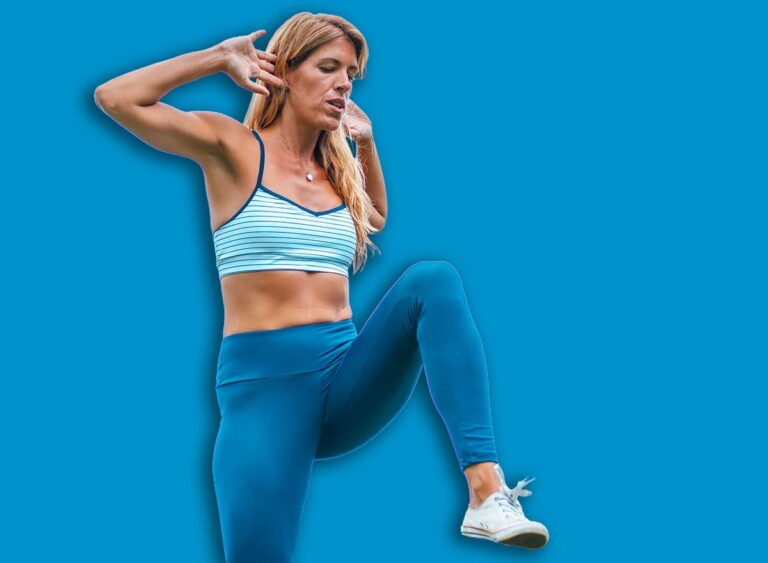
Confident walking requires more than leg strength alone. Standing knee drives strengthen the hip flexors, core, glutes, and the supporting leg while improving balance and coordination simultaneously. The movement mimics walking mechanics without requiring much space or equipment: standing upright, you lift one knee toward your chest in a controlled manner, then return to standing, and repeat.
Regular practice with knee drives translates directly into the way you move. Clients report feeling more stable, more energetic, and more confident during everyday walking. Walking supports nearly every aspect of healthy aging—it maintains cardiovascular health, preserves balance, and keeps joints mobile. When walking mechanics improve, the quality of your movement improves across every activity that depends on stable, coordinated lower-body function.
Farmer’s Carries Build Practical Whole-Body Strength
If a single movement could train your entire body while building immediately practical strength, farmer’s carries would be it. The exercise is simple: hold weight in your hands (dumbbells, kettlebells, or even filled grocery bags) and walk. The grip strengthens, the forearms work, shoulders stabilize, the core engages to support upright posture, and the legs power the movement.
Because the exercise mirrors everyday tasks, the strength you build transfers directly to real life. Clients report that carrying groceries, luggage, yard work, and household chores become noticeably easier. The cumulative effect of carrying weighted objects while maintaining upright posture strengthens nearly every structure from your hands to your hips, making this movement one of the most efficient ways to build functional strength across your entire body.
Making These Movements Part of Your Daily Life
These five exercises share something crucial: they work because they’re done consistently. Strength after 60 isn’t about intensity or complexity—it’s about sustained practice over time. When movement becomes a daily priority rather than an occasional event, your body adapts, your abilities expand, and you experience the kind of practical strength that makes everyday life genuinely easier. Start with these fundamental movements, perform them regularly, and you’ll build the capability that keeps you strong, stable, and independent.
Frequently Asked Questions
What are the five recommended exercises for building strength after 60?
The five exercises are sit-to-stands, resistance band rows, standing hip hinges, standing knee drives, and farmer's carries. Each targets multiple muscle groups and reinforces movements you perform in daily life.
What equipment do these exercises require?
Minimal equipment is needed. You'll need a resistance band for rows and a chair for sit-to-stands. Other exercises use body weight or items you can find at home like dumbbells or groceries for carries.
How do these movements improve everyday activities?
Sit-to-stands make stairs and chairs easier to navigate. Hip hinges teach safe lifting mechanics and reduce lower back strain. Knee drives improve walking stability. Farmer's carries make carrying groceries and luggage noticeably easier.
