
Key takeaways
- The controlled single-leg dip stands as the cornerstone movement for men beginning leg strength restoration.
- Men over 60 experience accelerated muscle loss, losing approximately 3 to 5 percent of muscle mass per decade after age 30, with rates increasing further after 60.
- Arthritis affects the majority of men over 60, making traditional strength exercises painful or impossible without modification.
- Strength gains in men over 60 follow the same progressive overload principles as younger populations, requiring systematic increases in volume, intensity, or tempo over time.
Men over 60 can restore leg strength and reclaim independence through seven targeted home exercises that require no equipment and measurable results within weeks of consistent practice. These movements—ranging from controlled single-leg dips to seated ankle pumps—address the specific biomechanical challenges aging men face, including muscle loss, balance deterioration, and joint sensitivity. Fitness professionals now recommend these exercises as the foundation for rebuilding lower-body strength safely without gym access or expensive machinery.
Seven Targeted Movements Restore Leg Strength Without Equipment
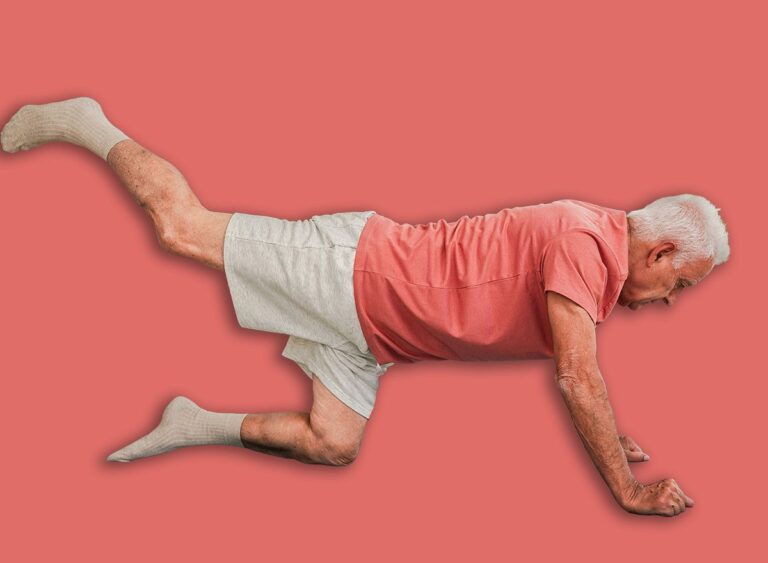
The controlled single-leg dip stands as the cornerstone movement for men beginning leg strength restoration. The exercise requires bending the knee approximately 6 inches down while keeping the back tall and the knee aligned with the toes, executing the movement in 3 seconds down and 1 second up for 6 to 10 repetitions per side across 3 sets with 1-minute breaks between sets. This tempo prioritizes muscle tension during the descent, creating the metabolic stimulus necessary for strength gains in older adults.
The sit-to-stand without hands eliminates upper-body assistance entirely, forcing the legs to generate all power for the movement. Men sit in a sturdy armless chair with arms crossed over the chest, then push through their heels to stand, pause at the top for 1 second, and slowly sit back down for 3 seconds, completing 8 repetitions per set with 90 seconds rest between sets. This exercise directly targets the quadriceps, glutes, and hip extensors—the muscle groups most critical for maintaining independence in daily activities like standing from chairs and climbing stairs.
Standing calf raises with a 3-second hold strengthen the lower leg and stabilize ankles, essential for balance in older men. The movement requires standing tall, rising onto the balls of the feet while squeezing calf muscles, holding for 3 seconds at the top, and lowering heels slowly over 3 seconds, performing 12 to 15 repetitions per set for 3 sets with 60 seconds rest. The extended hold increases time-under-tension, maximizing strength adaptations in the gastrocnemius and soleus muscles.
Step-ups isolate each leg independently, preventing reliance on stronger limbs and building unilateral strength. Men place one foot on a step, press through the heel to lift the body until both legs are straight, then slowly lower the trailing leg without pushing off the lower foot, ensuring power comes entirely from the leg on the step. Starting with 10 repetitions per leg for 2 sets, this movement builds the single-leg stability necessary for safe walking and stair navigation.
Seated leg extensions activate the quadriceps without the stress of standing positions, making them ideal for men with knee sensitivity. Sitting tall, men extend one leg out straight, hold briefly while squeezing the quadriceps, and lower it slowly, performing 10 repetitions per leg to improve the mind-to-muscle connection and neuromuscular system activation. This low-impact approach rebuilds quad strength while minimizing joint stress.
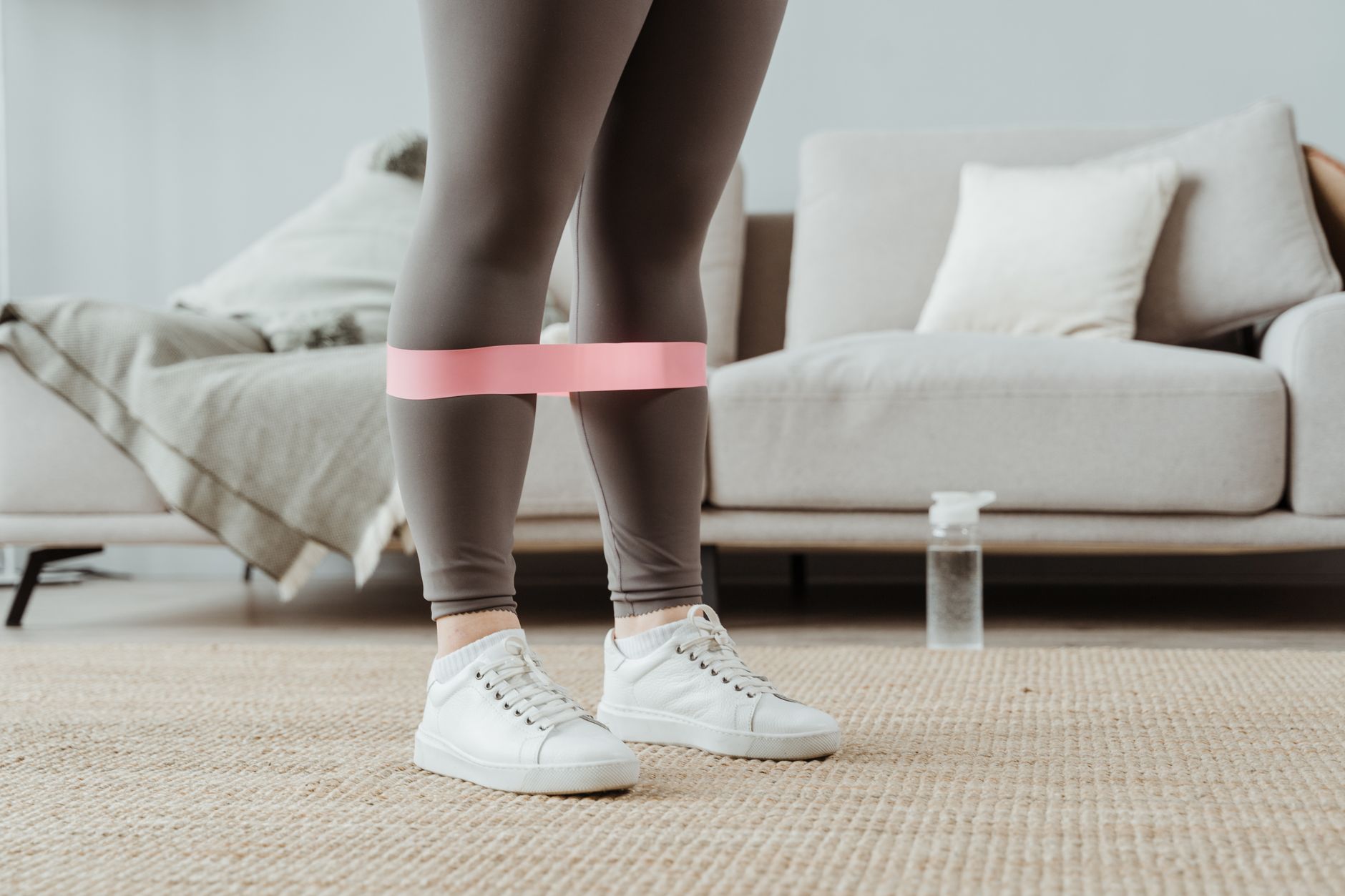
Mini-lunges accommodate men with knee or hip arthritis by reducing range of motion to approximately 25 percent depth, allowing safe strength building without pain. Starting with 1 set of 10 repetitions on each side before increasing depth, this modification initiates the strength-building movement pattern while preventing joint strain. Men with arthritis can progressively increase depth as pain decreases and strength improves.
Wall squats provide stable support while building leg strength through a safe, controlled range of motion. With back against a wall and feet shoulder-width apart, men slide down slowly to reach approximately 90 degrees of knee bend, holding the position to engage muscles before rising. The wall prevents postural collapse and ensures the knee does not extend past the toes, reducing fall risk and injury potential.
Seated ankle pumps strengthen often-neglected shin muscles and maintain lower-leg circulation. Sitting in a chair, men lift toes high to feel shin muscles working, then lower, building up to 3 sets of 20 repetitions (starting with 1 set of 10 if necessary). This movement targets the tibialis anterior muscle, critical for overall leg stability and preventing circulation problems common in sedentary older men.
Age-Related Muscle Loss Demands Intentional Strength Restoration
Men over 60 experience accelerated muscle loss, losing approximately 3 to 5 percent of muscle mass per decade after age 30, with rates increasing further after 60. This age-related sarcopenia reduces functional capacity, increases fall risk, and compromises independence in basic activities. Home-based leg exercises directly counteract this muscle loss by stimulating protein synthesis and neuromuscular adaptation through progressive resistance.
Balance and mobility deterioration in older men stems from both muscle weakness and reduced proprioceptive feedback from aging neuromuscular systems. Single-leg exercises and controlled movements retrain the nervous system to stabilize joints and coordinate muscle firing patterns, restoring the neuromuscular control necessary for safe movement. These adaptations occur relatively quickly—within 2 to 4 weeks of consistent practice—making these exercises particularly effective for men seeking rapid functional improvements.
Joint-Friendly Modifications Enable Consistent Training for Men with Arthritis
Arthritis affects the majority of men over 60, making traditional strength exercises painful or impossible without modification. Mini-lunges at 25 percent depth and wall squats provide effective strength stimulus while respecting joint limitations, allowing men with arthritis to train consistently without pain flare-ups. This approach enables progressive overload—gradually increasing depth, repetitions, or duration—as joint tolerance improves with strengthening.
Seated exercises like leg extensions and ankle pumps bypass standing balance requirements while still building strength effectively. These movements allow men to train safely even on days when joint pain is elevated, ensuring consistency over weeks and months. The ability to train around discomfort rather than stopping entirely accelerates strength gains and functional improvements.
Progressive Overload Principles Drive Measurable Strength Gains in Older Adults
Strength gains in men over 60 follow the same progressive overload principles as younger populations, requiring systematic increases in volume, intensity, or tempo over time. Men beginning with 6 repetitions of controlled single-leg dips can progress to 10 repetitions within 2 to 3 weeks, then advance to deeper ranges of motion or increased sets. This gradual progression prevents plateaus and maintains the stimulus necessary for continued muscle growth.
Tracking repetitions, sets, and rest periods provides objective feedback on progress and motivation for continued training. Men who document their workouts typically maintain consistency longer and achieve greater strength gains than those training without structure. Simple notes recording date, exercise, repetitions, and how the movement felt create accountability and reveal patterns in recovery and performance.
What to Watch: Consistency and Progressive Adaptation Over Coming Weeks
Men beginning these exercises should expect noticeable improvements in daily function within 2 to 4 weeks of consistent practice, including easier transitions from sitting to standing and increased confidence on stairs. Strength gains continue accelerating through 8 to 12 weeks as neuromuscular adaptations deepen and muscle tissue responds to the training stimulus. Monitoring these functional improvements—not just repetition numbers—reinforces the real-world value of the training program.
The key to long-term success lies in viewing these exercises as permanent lifestyle practices rather than temporary programs. Men who establish these movements as regular habits—performing them 2 to 3 times weekly indefinitely—maintain strength, mobility, and independence well into their 70s and 80s. Starting today with even one or two exercises builds momentum toward the comprehensive leg strength program necessary for healthy aging.
