
Key takeaways
- Nutritionists recommend selecting frozen pizzas containing no more than 800 milligrams of sodium per serving, with an ideal threshold of 650 milligrams for shoppers following low-sodium diet protocols.
- Dietitians establish a satiety baseline of seven grams of protein and two grams of fiber per frozen pizza serving to support appetite control and metabolic stability.
- The healthiest frozen pizza picks for 2024 maintain approximately 30 grams of net carbs or less, less than four grams of total sugar, and less than 600 milligrams of sodium per serving.
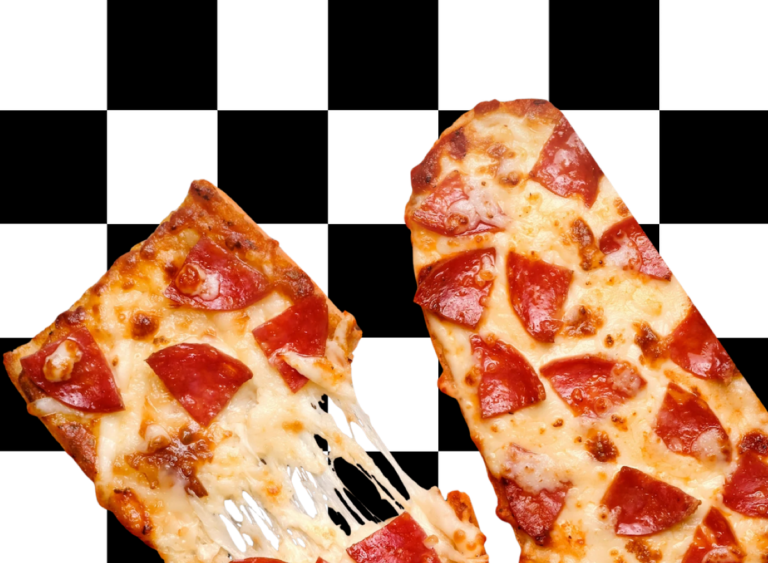
Stouffer’s French Bread Pepperoni Pizza delivers 1,030 milligrams of sodium in a single serving—45 percent of the daily value—making sodium content the defining factor that separates top-rated frozen French bread pizzas from nutritionally problematic choices. Health-conscious shoppers navigating the frozen pizza aisle face a critical decision: balancing convenience against macronutrient profiles that often exceed expert recommendations for sodium, calories, and carbohydrate density. This analysis examines the five best-rated frozen French bread pizza options based on nutrient data, expert guidance, and practical shopping strategies for restrictive diets.
Stouffer’s Dominates Market Share Despite Sodium Concerns
Stouffer’s French Bread Pepperoni Pizza leads consumer purchases with 440 calories, 18 grams of protein, and 29 grams of carbohydrates per serving, yet nutritionists flag the 1,030 milligrams of sodium as a significant barrier for low-sodium diet adherents. The product’s higher protein content supports satiety goals—exceeding the seven-gram minimum recommended by dietitians—but the sodium load immediately disqualifies it from standard low-sodium protocols that cap daily intake at 2,300 milligrams. Red Baron Singles Pepperoni French Bread Pizza offers a lower-calorie alternative at 380 calories with 16 grams of protein, though its 43 grams of carbohydrates and minimal two-gram fiber content create a less favorable macronutrient ratio for keto and strict Low-Carb dieters.
The nutrient contrast between these two market leaders reveals a fundamental trade-off: Stouffer’s prioritizes protein density while Red Baron targets calorie reduction. Stouffer’s contains nine grams of saturated fat per serving, substantially higher than Red Baron’s implied lower saturated fat profile, making Red Baron the superior choice for shoppers managing cardiovascular health through dietary fat restriction. However, Red Baron’s 43-gram carbohydrate load—with only two grams of fiber—creates a net carb profile of 41 grams, far exceeding the 30-gram net carb limit recommended for keto-friendly frozen pizzas and making it unsuitable for carbohydrate-restricted dieters without modification or portion control strategies.
Sodium Exceeds Expert Thresholds Across French Bread Category
Nutritionists recommend selecting frozen pizzas containing no more than 800 milligrams of sodium per serving, with an ideal threshold of 650 milligrams for shoppers following low-sodium diet protocols. Stouffer’s French Bread Pepperoni Pizza’s 1,030-milligram sodium content exceeds even the lenient 800-milligram guideline by 230 milligrams, forcing consumers to account for this single serving against their remaining daily sodium budget. The FDA’s daily sodium cap of 2,300 milligrams means that one Stouffer’s pizza consumes nearly half of a full day’s allowance, leaving minimal flexibility for other meals and snacks—a critical consideration for individuals managing hypertension, heart disease, or kidney function.
The broader frozen pizza category suffers from endemic sodium loading due to preservation requirements and flavor enhancement in processed cheese and cured meat toppings. Stouffer’s French Bread Pizza with Sausage and Pepperoni escalates this problem further, containing 750 milligrams of sodium alongside 460 calories and 24.1 grams of fat per serving, classifying it as a “bad choice” by nutritionist standards. Red Baron’s sodium profile remains unspecified in comparative analyses, but the product’s lower overall calorie density suggests a potentially more moderate sodium contribution, though shoppers must verify packaging labels to confirm exact sodium content before purchase.
Macronutrient Targets Favor Protein Over Fiber in French Bread Options
Dietitians establish a satiety baseline of seven grams of protein and two grams of fiber per frozen pizza serving to support appetite control and metabolic stability. Stouffer’s French Bread Pepperoni Pizza exceeds the protein threshold at 18 grams, nearly tripling the minimum recommendation and supporting sustained fullness through the afternoon or evening meal period. Red Baron meets the protein target at 16 grams but falls short on fiber specification, with the two-gram minimum barely achievable in a French bread crust that prioritizes palatability and texture over whole grain inclusion.
The fiber deficit in French bread pizzas represents a systemic weakness across this category: the white bread crust foundation provides minimal dietary fiber, and vegetable toppings remain optional rather than standard. Stouffer’s five-gram total sugar content sits slightly above the four-gram “ideal” threshold but within the eight-gram “reasonable” limit for processed frozen foods, preventing excessive blood glucose spikes while acknowledging the reality of added sugars in bread crusts and tomato-based sauces. Shoppers prioritizing fiber intake should consider supplementing French bread pizza meals with side salads or vegetable servings to reach 25-30 grams of daily fiber intake.
French Bread Crust Inherently Higher in Fat and Calories Than Thin Crust Alternatives
The French bread pizza category carries an inherent caloric and fat penalty compared to thin crust options: the thicker, fluffier bread base requires more oil and butter during manufacturing, and the increased surface area accommodates larger cheese and topping portions. Stouffer’s French Bread Pepperoni Pizza at 440 calories represents a moderate entry point within the French bread category, yet nutritionists consistently recommend thin crust alternatives like Kashi Thin Crust Roasted Vegetable at 290 calories with only four grams of fat as a direct substitution strategy. This 150-calorie difference per serving compounds across weekly consumption patterns, creating a meaningful impact on weight management and energy balance for shoppers seeking frozen pizza convenience without caloric excess.
The addition of fatty meats like sausage amplifies the French bread disadvantage: Stouffer’s French Bread Pizza with Sausage and Pepperoni reaches 460 calories and 24.1 grams of fat, making it nutritionally comparable to thin crust pizzas with double the vegetable content and half the saturated fat burden. Health-focused shoppers selecting French bread pizzas should prioritize plain pepperoni or vegetable versions over sausage-loaded variants, and seriously evaluate whether thin crust alternatives better align with their dietary goals and macronutrient targets.
Net Carb Density Disqualifies French Bread Pizzas From Strict Keto Protocols
The healthiest frozen pizza picks for 2024 maintain approximately 30 grams of net carbs or less, less than four grams of total sugar, and less than 600 milligrams of sodium per serving. Red Baron Singles Pepperoni French Bread Pizza’s 43-gram carbohydrate profile with only two grams of fiber produces a net carb count of 41 grams, immediately exceeding the 30-gram threshold by 37 percent and making it unsuitable for keto dieters or those following strict low-carb protocols without significant portion modification. Stouffer’s French Bread Pepperoni Pizza’s 29-gram carbohydrate content approaches the threshold more closely but still likely exceeds 30 grams net carbs when accounting for minimal fiber contribution from the white bread crust.
Shoppers pursuing ketogenic or cyclical low-carb dietary approaches should avoid French bread pizzas as standard meal choices and instead seek cauliflower crust or allulose-sweetened thin crust alternatives that deliver comparable convenience with dramatically lower glycemic loads. The “French bread” label inherently signals a higher-carbohydrate product designed for traditional palates rather than metabolic health optimization, making it fundamentally incompatible with net carb targets of 20-30 grams per meal for keto adherents.
Expert Substitution Strategies Redirect Shoppers Toward Thin Crust and Vegetable-Forward Options
Nutritionists recommend Kashi Thin Crust Roasted Vegetable Pizza as the primary substitution for French bread pizza shoppers seeking lower calories, reduced fat, and superior fiber content within the frozen pizza category. This product delivers 290 calories, four grams of fat, and 630 milligrams of sodium—representing a 150-calorie savings, 20-gram fat reduction, and 400-milligram sodium decrease compared to Stouffer’s French Bread Pepperoni Pizza. The thin crust format accommodates vegetable-forward toppings that increase fiber density, support micronutrient intake, and create superior satiety through volume and nutrient diversity rather than relying on cheese and meat density.
Shoppers unwilling to abandon the French bread format should prioritize pepperoni-only versions over meat-combination options, verify sodium content before purchase, and plan complementary meals that account for the high sodium load within daily dietary limits. The frozen pizza category continues evolving toward lower-calorie, lower-sodium, and higher-fiber options, creating expanding alternatives to traditional French bread formats that historically dominated supermarket freezer sections. Shoppers monitoring sodium intake, managing weight loss, or following low-carb and keto protocols should treat French bread pizzas as occasional convenience foods rather than dietary staples, reserving them for flexible meal planning occasions rather than regular weekly rotation.
