
Key takeaways
- Many popular frozen burritos contain 800 milligrams of sodium per serving, representing one-third of the daily recommended limit of 2,300 milligrams before 9:00 a.m.
- Oven reheating at 350°F for 10 to 15 minutes, with the burrito wrapped in foil until the filling reaches 165°F, preserves texture while ensuring food safety.
- Most frozen burritos lack sufficient vegetables to meet the recommendation of filling half your plate with produce, making strategic additions essential for balanced nutrition.
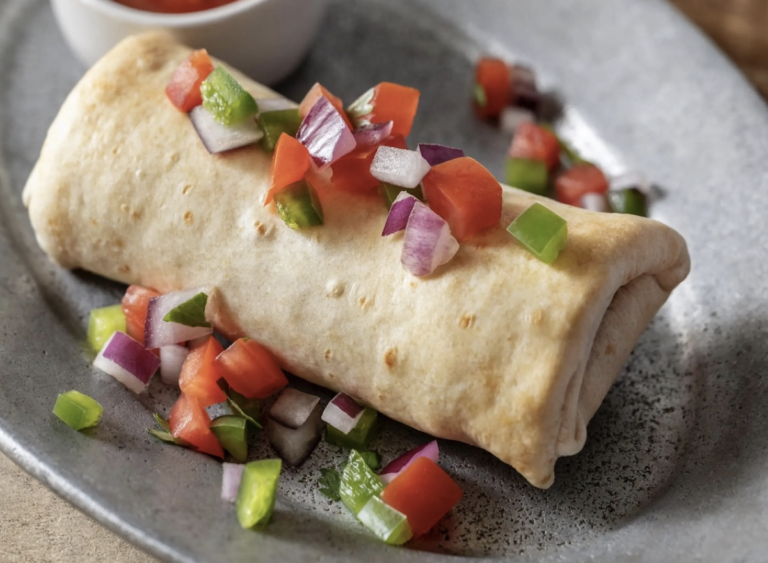
Three dietitians unanimously selected Red’s Organic Black Bean & Cheese Burrito as the gold standard for healthy frozen meals, establishing a new benchmark that prioritizes whole foods over processed additives in a category long dominated by high-sodium, nutrient-poor options. The unanimous recommendation signals a shift in how nutritionists evaluate convenience foods, moving beyond calorie counts to assess fiber content, protein quality, and ingredient transparency. This emerging consensus reflects growing consumer demand for frozen meals that support weight management, digestive health, and sustainable eating habits without sacrificing convenience.
The Dietitian-Approved Winner Sets New Nutritional Standards
Red’s Organic Black Bean & Cheese Burrito delivers 280 calories, 39 grams of total carbohydrates, 5 grams of dietary fiber, 10 grams of protein, 9 grams of fat, and 630 milligrams of sodium per serving—a nutrient profile that aligns with expert recommendations for healthy frozen meals. The standout feature is zero grams of added sugar and the use of whole black beans, distinguishing this option from competitors that rely on processed fillings and hidden sugars. This specific alignment with whole-foods criteria explains why nutritionists selected it unanimously over seven competing brands.
The 5-gram fiber threshold represents the minimum target experts recommend for any frozen burrito intended as a meal component rather than a quick snack. Most standard frozen burritos available in grocery stores contain only 2 to 3.5 grams of fiber per serving, falling short of the satiety and digestive support that fiber provides. By choosing bean-based or bean-and-vegetable options, consumers can reliably hit this 5-gram benchmark, making whole-bean burritos the most effective substitution for those tracking digestive health or managing blood sugar levels.
Sodium Content Remains the Primary Health Concern in Frozen Meals
Many popular frozen burritos contain 800 milligrams of sodium per serving, representing one-third of the daily recommended limit of 2,300 milligrams before 9:00 a.m. if consumed as breakfast. This early-day sodium load creates a cardiovascular risk that extends throughout the day, as excess sodium is linked to elevated blood pressure and increased heart disease risk. Experts advise prioritizing brands under 500 milligrams of sodium, though 600 milligrams represents a more realistic “good” target for those balancing convenience with health goals.
Red’s Organic burrito at 630 milligrams falls slightly above the ideal threshold but remains significantly lower than mass-market competitors, making it a practical compromise for busy consumers. Scanning nutrition labels specifically for sodium content has become essential, as this single metric often determines whether a frozen meal supports or undermines long-term health objectives. The sodium warning underscores why ingredient transparency matters—shorter ingredient lists typically correlate with lower sodium and fewer preservatives required for shelf stability.
Chef Rankings Reveal the Flavor-Nutrition Balance
Trader Joe’s Carne Asada Burrito earned recognition for having the best filling overall in a 2026 taste test of seven brands, while El Monterey Loaded Nacho Chimi emerged as the clear winner in a separate evaluation of twelve brands for its crispy chimichanga texture. The classic bean burrito secured a top rank in Food & Wine testing for its nostalgic, reliable, and comforting flavor sustained across decades. These chef-led assessments reveal that texture, filling quality, and flavor satisfaction matter equally to consumers alongside nutritional metrics.
The divergence between dietitian and chef rankings reflects different priorities: nutritionists emphasize fiber, protein, and sodium reduction, while chefs prioritize sensory experience and ingredient quality. Consumers seeking both health benefits and genuine satisfaction should consider Red’s Organic for nutritional superiority while acknowledging that Trader Joe’s and El Monterey options deliver superior taste experiences that may support long-term adherence to frozen meal consumption. This balance between nutritional compliance and palatability determines whether frozen burritos become sustainable dietary staples or abandoned attempts at convenience eating.
High-Protein Options Address Post-Workout Nutrition Gaps
The Beefy Queso Burrito delivers 30 grams of protein and 340 calories, while the Chicken Queso Burrito offers 30 grams of protein and 350 calories, positioning these products as superior options for active individuals and athletes. Standard frozen burritos providing only 10 grams of protein fall short of the 20 to 30 grams experts recommend per serving for muscle repair and recovery. This high-protein tier addresses a specific market gap where convenience must align with fitness and strength-training goals.
For those tracking macronutrients or timing nutrition around workouts, these high-protein varieties eliminate the need for supplemental protein sources, streamlining Meal Preparation on busy training days. The standard beef and bean burrito, containing 10.1 grams of protein across 332 calories, represents the baseline option suitable for general consumption but inadequate for post-exercise optimization. Athletes and fitness-focused consumers now have frozen options that support performance without requiring additional meal assembly.
Practical Preparation Methods Ensure Safety and Texture Quality
Oven reheating at 350°F for 10 to 15 minutes, with the burrito wrapped in foil until the filling reaches 165°F, preserves texture while ensuring food safety. Microwaving produces soggy tortillas and creates temperature hot spots that may leave portions undercooked, increasing the risk of bacterial contamination from pathogens like Salmonella or E. coli. Proper reheating protocol transforms frozen burritos from convenient shortcuts into meals with restaurant-quality texture and verified safety standards.
The oven method requires minimal planning—simply remove the burrito from the freezer and place it in a preheated oven while preparing side dishes or beverages. This approach takes only slightly longer than microwaving while delivering superior results that make the meal feel intentional rather than rushed. Temperature verification ensures that frozen meals, which carry inherent pathogenic risks, reach safe consumption standards before eating.
Ingredient Transparency Predicts Overall Nutritional Quality
Nutritionists recommend selecting burritos with ingredient lists confined to the front or first half of packaging rather than those filling the entire back side, as shorter lists indicate less processing and fewer preservatives. Healthiest options feature fillings rich in beans, vegetables, lean chicken, and salsa while avoiding salty meats like sausage or shredded beef that drive up saturated fat and sodium content. This “short list” heuristic provides a quick visual screening tool at the grocery store without requiring detailed label analysis.
Long ingredient lists typically indicate the presence of food dyes, stabilizers, and multiple preservatives required to maintain frozen shelf life and texture consistency. By prioritizing whole-food recognizability, consumers naturally avoid products engineered for maximum shelf stability rather than nutritional optimization. Red’s Organic success stems partly from this transparency principle—the brand’s straightforward ingredient approach builds consumer trust and delivers nutritional outcomes that match label claims.
Strategic Side Dish Additions Transform Frozen Burritos Into Complete Meals
Most frozen burritos lack sufficient vegetables to meet the recommendation of filling half your plate with produce, making strategic additions essential for balanced nutrition. Pairing frozen burritos with frozen or fresh vegetables, quick salads, sliced avocado, salsa, or plain Greek yogurt increases fiber, healthy fats, and micronutrients while enhancing overall satiety. This “easy upgrade” approach addresses the inherent vegetable deficit in convenience foods without requiring significant meal preparation time.
Adding fresh components also lowers the glycemic impact of the burrito itself, helping stabilize blood sugar and extend satiety between meals. A frozen burrito providing 39 grams of carbohydrates becomes a more balanced meal when paired with non-starchy vegetables and protein sources like Greek yogurt or avocado. This practical strategy makes frozen burritos viable for those managing weight, blood sugar, or digestive health while maintaining the convenience factor that drives frozen meal consumption.
