
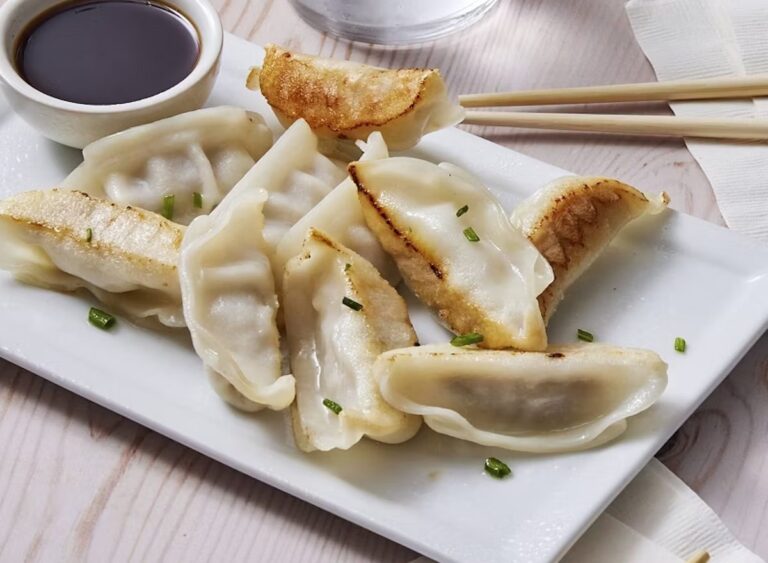
Key takeaways
- Asian brands dominate the frozen potsticker market, with Bibigo, Mila, and Ajinomoto emerging as consistently popular choices among real shoppers across multiple retail channels and online communities.
- Nutrition experts emphasize that frozen potstickers achieve maximum health potential through deliberate pairing strategies that offset their inherent sodium content, which typically exceeds fresh dumpling varieties.
- The emergence of nutritionally transparent frozen potsticker options reflects broader market recognition that convenience and health need not exist in opposition.
Frozen potstickers can deliver 6 grams or more of protein per 100 grams while maintaining sodium levels at 500 milligrams or less per 100 grams, making them a viable option for health-conscious consumers navigating Meal Prep and weight management. Real shoppers and nutrition experts have identified five standout frozen potsticker brands that balance convenience, nutritional quality, and taste. The market now offers legitimate alternatives to fresh dumplings that support muscle health without the excessive sodium typical of processed frozen foods.
Nutritional Standards Transform Frozen Potstickers Into Health-Friendly Meals
Frozen potstickers have historically carried a reputation as indulgent, high-fat junk food, but emerging nutritional benchmarks now position them as legitimate components of balanced diets when consumers select products strategically. Health professionals confirm that potstickers can be a healthy option when eaten with intention, particularly when shoppers prioritize vegetarian varieties that deliver essential dietary fiber from vegetable fillings. The shift away from meat-centric versions also addresses environmental concerns, as plant-based potsticker options reduce the carbon footprint associated with animal protein production.
The key to unlocking the health potential of frozen potstickers lies in meeting specific nutritional targets: selecting brands containing 6 grams or more protein per 100 grams ensures adequate protein intake for muscle maintenance and satiety, while keeping sodium below 500 milligrams per 100 grams mitigates hypertension risk. This dual standard helps consumers identify high-quality frozen options that support their health goals without the sodium overload common in processed frozen foods. By establishing these benchmarks, shoppers can confidently incorporate frozen potstickers into meal prep routines without compromising their nutritional objectives.
Top Brands Deliver on Taste, Nutrition, and Ingredient Transparency
Trader Joe’s Pork Gyoza Potstickers earned recognition as the “Best Value” option by Consumer Reports, combining affordability with nutritional substance through a Gyoza-style preparation that delivers higher protein content and lower fat than steamed dumpling varieties. The gyoza cooking method—which produces a crispy exterior—appeals to shoppers seeking texture variety while maintaining a clean ingredient profile focused on pork as the primary protein source. This budget-friendly option fits seamlessly into standard meal prep routines for consumers prioritizing both cost-effectiveness and quality protein sources.
Annie Chun’s Organic Pork and Vegetable Potstickers won unanimous victory in taste tests by listing pork as the first ingredient, guaranteeing a high meat-to-dough ratio without artificial additives that compromise ingredient integrity. For consumers prioritizing organic certification and transparent labeling, this brand ensures access to natural flavor profiles and quality assurance that distinguishes it from competitors relying on chemical enhancers. PF Chang’s Chicken Dumplings rounds out the protein diversity conversation, earning recognition as the “Best Chicken Dumpling” option and providing a leaner poultry alternative for health-conscious shoppers seeking lower saturated fat content than pork-based varieties.
Market Leaders Reflect Cultural Diversity and Regional Preferences
Asian brands dominate the frozen potsticker market, with Bibigo, Mila, and Ajinomoto emerging as consistently popular choices among real shoppers across multiple retail channels and online communities. Bibigo Mandu Pork & Vegetable Dumplings earned the distinction of “Most Popular” option by Consumer Reports, reflecting consumer preference for traditional Korean-style mandu that delivers authentic flavor profiles without sacrificing convenience. The prominence of these culturally rooted brands demonstrates that shoppers increasingly value authenticity and regional cooking traditions when selecting frozen options.
This market diversity extends beyond Korean offerings to include Japanese gyoza styles and other Asian dumpling preparations, allowing consumers to explore varied culinary traditions from their freezers. The availability of multiple cultural approaches to dumpling preparation means shoppers can rotate between brands and styles to maintain dietary interest while staying within their nutritional parameters. This range of options transforms the frozen dumpling aisle from a single-category commodity into a diverse marketplace reflecting global food preferences.
Strategic Pairing and Preparation Elevate Frozen Potstickers Into Balanced Meals
Nutrition experts emphasize that frozen potstickers achieve maximum health potential through deliberate pairing strategies that offset their inherent sodium content, which typically exceeds fresh dumpling varieties. Adding fresh vegetables to potsticker dishes creates a more balanced, nutrient-rich meal while diluting overall sodium concentration through volume-based portion management. Keeping soy sauce use minimal or selecting low-sodium sauce alternatives allows consumers to enjoy authentic flavor profiles without exceeding daily sodium targets that support cardiovascular health.
A well-stocked freezer simplifies sustained adherence to healthy eating patterns through strategic portion control and ingredient accessibility, according to nutrition experts advocating for practical meal prep approaches. Freezing leftover potsticker meals in individual servings enables rapid reheating and prevents food waste while maintaining portion discipline essential for weight management goals. Using ice cube trays to freeze small amounts of broth, pesto, or low-sodium sauces adds flavor dimension to potsticker dishes without requiring additional cooking steps or fresh ingredient sourcing.
Market Evolution Reflects Growing Consumer Demand for Convenient Health Solutions
The emergence of nutritionally transparent frozen potsticker options reflects broader market recognition that convenience and health need not exist in opposition. Shoppers increasingly demand frozen foods that deliver specific macronutrient targets—particularly high protein and controlled sodium—without requiring significant cooking time or fresh ingredient assembly. This consumer demand has prompted established brands and specialty manufacturers to reformulate offerings and highlight nutritional credentials that previously went unmarketed in the frozen dumpling category.
The competitive landscape now includes organic certifications, ingredient-first labeling, and cultural authenticity as differentiators in a category historically dominated by price competition alone. Retailers and manufacturers recognize that health-conscious consumers represent a growing market segment willing to pay premium prices for transparency and nutritional alignment with specific dietary approaches. This shift creates opportunity for brands emphasizing clean ingredients, optimal macronutrient ratios, and preparation methods that support diverse nutritional philosophies from keto-friendly approaches to plant-based eating patterns.
Strategic Selection Criteria Guide Shoppers Toward Optimal Frozen Potsticker Choices
Identifying the best frozen potsticker for individual health goals requires evaluating three primary nutritional dimensions: sodium levels, protein content, and saturated fat profiles that align with personal dietary objectives. Consumers following low-sodium protocols should prioritize brands maintaining sodium below 400 milligrams per 100 grams, while those emphasizing protein intake benefit from options exceeding 7 grams per 100 grams. Saturated fat considerations become particularly relevant for shoppers managing cholesterol levels or following specific heart-health protocols that limit animal fat intake.
The five standout options—Trader Joe’s Pork Gyoza, PF Chang’s Chicken Dumplings, Annie Chun’s Organic Pork and Vegetable, Bibigo Mandu Pork & Vegetable, and category alternatives from Mila and Ajinomoto—represent distinct approaches to frozen potsticker formulation addressing varied nutritional priorities. Whether shoppers prioritize budget optimization, organic certification, lean protein alternatives, or cultural authenticity, the current market offers legitimate choices that support health-conscious meal planning. By applying consistent evaluation standards and pairing frozen potstickers with fresh vegetables and controlled-sodium sauces, consumers transform a convenience food into a nutritionally strategic component of sustainable healthy eating routines.
