
Key takeaways
- Net carbohydrates represent the total carbohydrates minus fiber, a calculation that determines how much a food actually impacts blood glucose levels.
- Cauliflower rice stands as the most versatile and widely available rice substitute, created by processing raw cauliflower florets into granules that mimic the texture and neutral flavor of cooked rice.
- Shirataki noodles, made from the konjac plant root and also called miracle noodles, contain virtually zero net carbohydrates and provide glucomannan, a soluble fiber that supports digestive health and satiety.
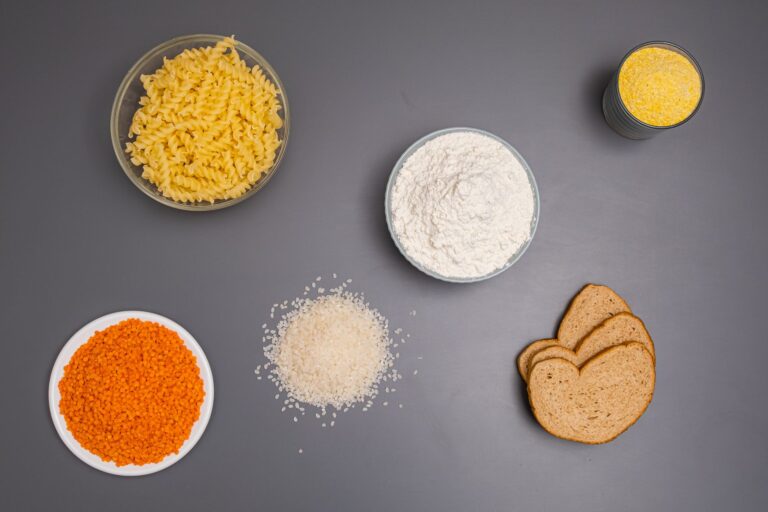
Refined carbohydrates from rice, pasta, and bread constitute a significant portion of calories in the standard Western diet, yet they provide minimal nutritional density and can trigger blood sugar spikes that leave many people fatigued and hungry shortly after eating. For individuals following Low-Carb, ketogenic, or weight-management protocols, replacing these staple foods with nutrient-dense alternatives allows for sustained energy, improved satiety, and metabolic flexibility. Understanding which substitutes work best for different dishes and cooking methods transforms the challenge of carbohydrate reduction from a restriction into an opportunity to discover more satisfying, micronutrient-rich meals.
Understanding Net Carbohydrates and Why Substitution Matters
Net carbohydrates represent the total carbohydrates minus fiber, a calculation that determines how much a food actually impacts blood glucose levels. A standard cup of cooked white rice contains approximately 45 grams of net carbohydrates, while a cup of cooked pasta delivers roughly 40 grams, and two slices of whole wheat bread contain about 30 grams. When individuals reduce net carbohydrate intake to 20–50 grams daily—a common target for ketogenic diets—these traditional staples consume the entire carbohydrate allowance for a single meal, leaving no room for vegetables, fruits, or other whole foods.
The metabolic consequence of this carbohydrate load involves rapid glucose absorption, insulin spike, and subsequent energy depletion, a pattern documented extensively in research spanning the past two decades. In 2008, researchers at Duke University found that participants following ketogenic diets showed improved energy stability and reduced hunger compared to those consuming standard carbohydrate-based meals, primarily because low-carb alternatives maintain more stable blood glucose throughout the day.
Vegetable-Based Rice and Pasta Replacements
Cauliflower rice stands as the most versatile and widely available rice substitute, created by processing raw cauliflower florets into granules that mimic the texture and neutral flavor of cooked rice. A cup of raw cauliflower rice contains only 5 grams of net carbohydrates compared to rice’s 45 grams, making it a direct one-to-one replacement in fried rice, stir-fries, burrito bowls, and pilaf preparations. The cruciferous vegetable provides sulforaphane, a compound with demonstrated anti-inflammatory properties, and maintains structural integrity when cooked properly using high-heat methods that minimize moisture release.
Broccoli rice follows a similar nutritional profile to cauliflower rice while offering a slightly stronger vegetable flavor and additional vitamin C content. Zucchini noodles, created by spiralizing or julienning zucchini into noodle-shaped strands, deliver only 3 grams of net carbohydrates per cup and work exceptionally well in cold pasta salads, Asian noodle dishes, and lighter preparations where their delicate texture shines. The Italian cooking tradition of preparing vegetable-based pasta dishes, exemplified in classic recipes like pasta di verdure, demonstrates that vegetable-forward noodle dishes have deep culinary roots predating modern low-carb diets.
Legume-Based and Protein-Forward Alternatives
Shirataki noodles, made from the konjac plant root and also called miracle noodles, contain virtually zero net carbohydrates and provide glucomannan, a soluble fiber that supports digestive health and satiety. These translucent noodles have a gelatinous texture that requires rinsing and proper preparation to remove their distinctive odor, but they absorb flavors readily and work well in Asian soups, stir-fries, and carbonara-style preparations. Black bean or chickpea-based pasta products offer between 8–15 grams of net carbohydrates per serving while delivering 8–10 grams of plant-based protein, creating a more satiating option than traditional pasta for those who tolerate legumes well.
Edamame pasta, made from soybeans, provides complete amino acid profiles and approximately 6 grams of net carbohydrates per serving, making it suitable for individuals seeking legume-based solutions with enhanced protein content. Japanese cuisine has incorporated soy-based noodles for centuries, with buckwheat soba noodles appearing in documented recipes dating to the Edo period, establishing a historical precedent for plant-based noodle alternatives in traditional food systems.
Bread Alternatives and the Evolution of Low-Carb Baking
Almond flour, produced by blanching almonds to remove skins and grinding them into a fine powder, contains only 3 grams of net carbohydrates per quarter cup while delivering 6 grams of protein and substantial amounts of vitamin E and magnesium. This ingredient revolutionized low-carb baking when it gained mainstream availability in the early 2000s, enabling home bakers to create crumb-structured baked goods with texture approaching traditional wheat bread. Coconut flour, derived from dried and ground coconut meat, offers even lower carbohydrate content at 2 grams per quarter cup but requires careful liquid adjustment in recipes due to its high fiber absorption capacity.
Psyllium husk, a soluble fiber derived from plantago ovata seeds, creates elasticity and binding properties in low-carb bread recipes while contributing minimal carbohydrates and supporting digestive regularity. The development of commercial low-carb bread products using these ingredients accelerated significantly after 2003, when the Atkins Diet phenomenon drove demand for bread alternatives, prompting food manufacturers to invest in product development that had previously received minimal attention in mainstream food science.
Frequently Asked Questions
Which substitute works best for fried rice?
Cauliflower rice serves as the optimal choice for fried rice due to its ability to withstand high-heat cooking without becoming mushy, its neutral flavor that accepts seasonings readily, and its texture that closely mimics traditional rice when cooked using proper technique. Broccoli rice offers a similar performance profile with slightly more pronounced vegetable flavor.
Can I use low-carb pasta alternatives in all traditional pasta dishes?
Vegetable-based noodles like zucchini work best in lighter preparations and cold salads, while shirataki noodles perform well in Asian soups and stir-fries, and legume-based pastas suit heartier sauces and baked preparations. Matching the noodle type to the dish’s sauce weight and cooking method yields the most satisfactory results.
How do I prevent cauliflower rice from becoming watery?
Cook cauliflower rice using high-heat methods like stir-frying or sautéing in oil or butter, and avoid covering the pan during cooking, which allows moisture to escape rather than condense. Salting the cauliflower rice before cooking and squeezing excess moisture from raw cauliflower rice also prevents waterlogged results.
Low-carb substitutes for rice, pasta, and bread have transitioned from niche products into mainstream ingredients as understanding of blood glucose regulation and metabolic health has evolved. Selecting the appropriate substitute based on desired texture, flavor profile, and cooking method allows individuals to maintain satisfying, familiar meal structures while reducing net carbohydrate intake and improving nutritional density across all eating patterns.
