
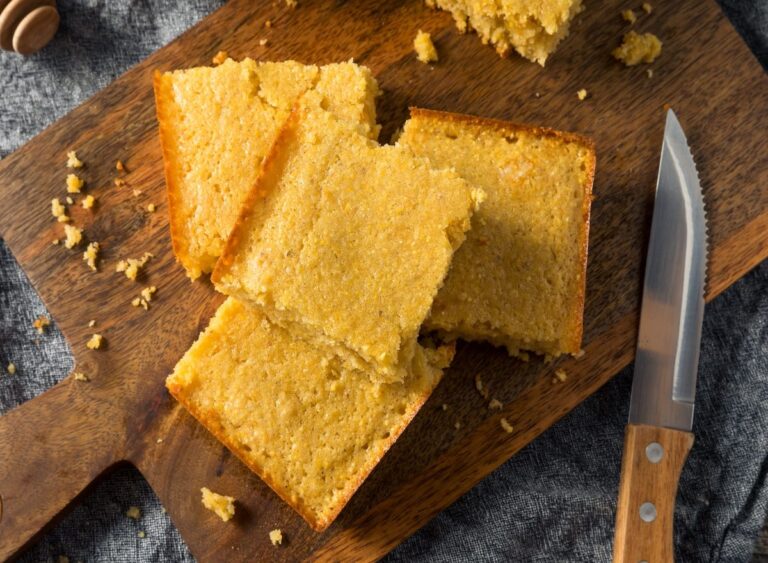
Key takeaways
- Boston Market's sweet, cakey cornbread maintains its structure when paired with gravy, complementing savory dishes without disappearing.
- Famous Dave's muffin shape increases surface area for browning, where cornbread flavor is most concentrated.
- Mission BBQ retains actual corn texture in its crumb, creating a slight grit that distinguishes cornbread from yellow cake.
- Cracker Barrel's dry, sandy muffins absorb gravy effectively—judge them as part of the meal, not in isolation.
Cornbread isn’t merely a side—it’s an architectural element that either completes or undermines the main course experience. In Southern and barbecue-focused cuisine, the bread’s texture and flavor profile can either compete with or complement the primary protein. Steve Ingber, executive chef and owner of MileHighCook, evaluated cornbread offerings across major restaurant chains and identified four that reach a standard worth seeking out specifically.
The Role of Cornbread in Chain Dining
According to Chef Ingber’s assessment, the best cornbread formulations work in partnership with the meal’s other components rather than standing alone as a centerpiece. The crumb structure determines whether cornbread absorbs flavors from accompanying dishes or remains independent. Some preparations aim for density, while others prioritize moisture retention. The distinction affects how diners experience the overall plate and influences when during the meal the bread gets consumed.
Texture as a Strategic Choice
Successful chains design their cornbread formulations with particular dishes in mind. This intentionality separates formulations created to stand alone from those designed as supporting elements within a larger meal structure. A cornbread that works alongside gravy requires different engineering than one meant to accompany roasted proteins. The best versions strike a balance between a crisp, golden crust and a tender crumb while complementing the dish they accompany.
Flavor Engineering for Specific Pairings
Rather than competing with other flavors on the plate, quality cornbread enhances them. This represents a different design philosophy than treating cornbread as a standalone attraction. When a chain invests in proper formulation for its specific context, the bread becomes a marker of overall menu attention and commitment to the dining experience.
Boston Market’s Sweeter Interpretation
Boston Market positions cornbread as a sweet-leaning complement to savory entrées like rotisserie chicken and mashed potatoes with gravy. Chef Ingber notes that the chain’s recipe emphasizes cake-like qualities that align with how casual diners expect the bread to function in a comfort-food context.
The formula succeeds because it doesn’t disappear when moisture from adjacent components—particularly gravy—reaches the bread. Rather than becoming sodden, the crumb maintains its structural integrity. “The crumb stays tight when it gets wet,” Ingber explains, highlighting how the formulation accounts for the reality of how diners consume the meal over several minutes rather than bites taken in isolation. The sweeter profile, while debated among purists who expect traditional cornbread to be less sweet, serves a strategic purpose. It bridges the gap between bread and side, offering familiarity that aligns with the chain’s comfort-food positioning.

Famous Dave’s Muffin Format and Browning
Famous Dave’s enters the cornbread conversation through its signature muffin presentation. The decision to serve cornbread in muffin form isn’t merely aesthetic—it’s a baking strategy that maximizes the crispy exterior diners seek. The barbecue pairing makes sense in this context, as smoked meats and heavily seasoned sides demand a cornbread component with sufficient caramelization and crust character to hold its own on the plate.
Surface Area and Crust Development
The muffin shape exposes more surface to the baking environment, increasing the proportion of browned exterior relative to the tender interior. “More surface area means more browned crust per bite,” Ingber points out, “and browning is where cornbread flavor actually lives.” This principle explains why the muffin format achieves higher flavor density than a loaf-style presentation would deliver. The additional crust surface provides more caramelized flavor notes and textural contrast throughout each bite.
Mission BBQ’s Texture Authenticity
Mission BBQ’s cornbread distinguishes itself through texture choices that prioritize authenticity over refinement. Rather than processing corn into a fine flour base, the chain retains actual corn particles within the crumb structure. This approach creates what Ingber describes as a “slight grit” that signals genuine cornbread rather than a corn-flavored yellow cake.
The Role of Corn Texture in Cornbread Identity
Many casual-dining chains optimize for smooth mouthfeel by eliminating coarse particles, but this refinement erases textural markers that distinguish cornbread from dessert applications. “Theirs has real corn texture instead of being sanded down to pure flour,” says Chef Steve. “That slight grit is what separates cornbread from yellow cake.” The presence of identifiable corn pieces grounds the eating experience in a more rustic, traditional framework. Diners can taste actual corn rather than only its distant flavor impression. This strategy aligns with Mission BBQ’s smoked-meat focus, where authenticity and traditional preparation methods carry both marketing and flavor weight.
Cracker Barrel’s Structured Absorbency
Cracker Barrel’s corn muffins employ a deliberately dry, sandy crumb structure engineered with a specific purpose: to absorb gravy and sauce without losing shape. The chain’s comfort-food context—where country-style entrées come with rich gravies—shapes every element of the bread’s formulation. Chef Ingber emphasizes a critical perspective shift for evaluating these muffins: they must be judged within the context of the entire meal, not as isolated bread products.
“The corn muffins have a dry, sandy crumb on purpose, built to soak up gravy,” he explains. “Judge it with the meal, not on its own.” The dry structure that might seem unappealing tasted alone becomes optimal when it sits alongside saucy mashed potatoes, fried chicken, or meat-based gravies. The sandy quality serves a functional absorptive role—it captures and holds flavorful liquids without becoming waterlogged. This represents a different design philosophy than Boston Market’s approach of maintaining integrity when wet; Cracker Barrel’s formulation invites moisture absorption as a feature, not something to resist.
Evaluating Cornbread Quality Across Chains
When assessing cornbread at casual-dining establishments, texture and flavor must be considered within their intended use context. A cornbread formula optimized for standalone enjoyment differs fundamentally from one engineered to support a specific protein or sauce profile. The four chains examined by Chef Ingber succeed because each makes intentional choices aligned with their broader menu strategy and dining format. Boston Market’s cakey sweetness complements its rotisserie-focused menu. Famous Dave’s muffin browning matches barbecue traditions and flavor development science. Mission BBQ’s textural authenticity supports smoked-meat authenticity claims. Cracker Barrel’s absorbent structure pairs with country-kitchen comfort offerings. For diners seeking quality cornbread, understanding these distinctions reveals that cornbread should never be a thoughtless side.
Frequently Asked Questions
Which restaurant chains does Chef Steve Ingber recommend for cornbread?
Boston Market, Famous Dave's, Mission BBQ, and Cracker Barrel all serve cornbread that Chef Steve Ingber considers worth ordering based on their formulation approaches.
Why does Famous Dave's serve cornbread as muffins instead of loaves?
The muffin format provides more surface area that gets exposed to heat during baking, which maximizes browning—and browning is where cornbread flavor actually develops.
How should you evaluate Cracker Barrel's corn muffins?
Judge them as part of the meal alongside gravy and savory sides, not as a standalone bread product, because their dry sandy crumb is engineered specifically to absorb gravy without losing shape.
