
Key takeaways
- A&W's Frosty mug floats with proprietary root beer syrup, soft serve, and real cane sugar represent the original root beer stand formula.
- Stewart's, founded by Frank Stewart in Mansfield, Ohio, in 1924, pairs its famous root beer with cheesefries and cheesesteaks.
- Sonic Drive-In uses Barq's Root Beer with vanilla soft serve and whipped cream, while Culver's pairs A&W root beer with premium vanilla custard.
- These chains have endured by maintaining what made root beer stands special: carhop service, nostalgia, and root beer as the menu's centerpiece.
Root beer stands occupy a singular place in American dining history. These establishments, which peaked in the mid-1900s, represented a specific type of eating experience: casual, car-friendly, and centered around a signature beverage. The original model combined a focus on homemade or proprietary root beer with a full menu of casual food—burgers, hot dogs, fries—served via walk-up windows or drive-up service, often with carhops delivering meals directly to parked cars. That format nearly disappeared, but a handful of chains have preserved and maintained it.
The Legacy of Root Beer in American Restaurants
Understanding the Original Model
Root beer stands emerged as a response to both the soda fountain craze and the rise of car culture. A Reddit commenter captures the essence: “To me, it is like the root beer stands that were popular in the mid 1900s—like A&W, Dog N Suds, etc. So basically a place that serves food and root beer (preferably made on the premises) and has drive up or walk up service; if there are car hops, even better.” The reference point is specific: a place where root beer isn’t an afterthought on the menu but the focal point around which everything else is organized.
Why These Chains Survived
Most root beer stands did not make it to the 21st century. The ones that did share a commitment to preserving the original formula—proprietary drinks, streamlined menus, and the experience of eating in or from a car. Success wasn’t about expansion into a broad casual-dining format; it was about doubling down on what made the category unique in the first place.
A&W: The Frosty Mug Standard
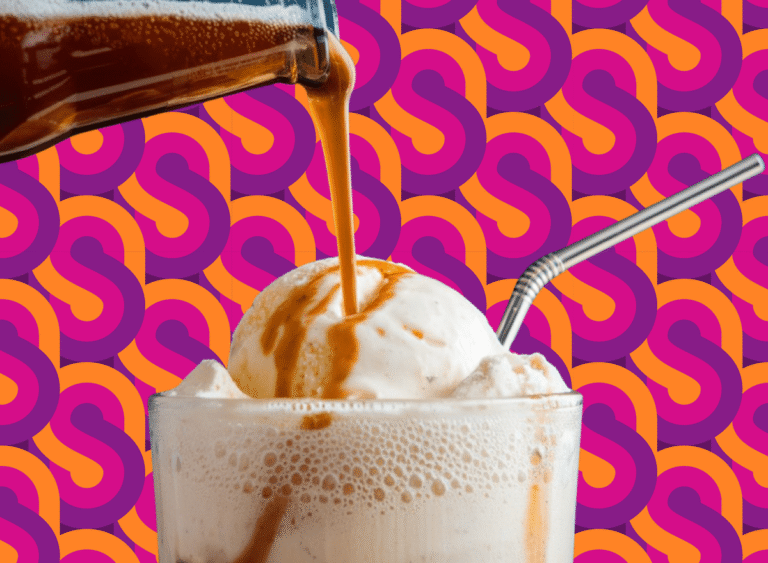
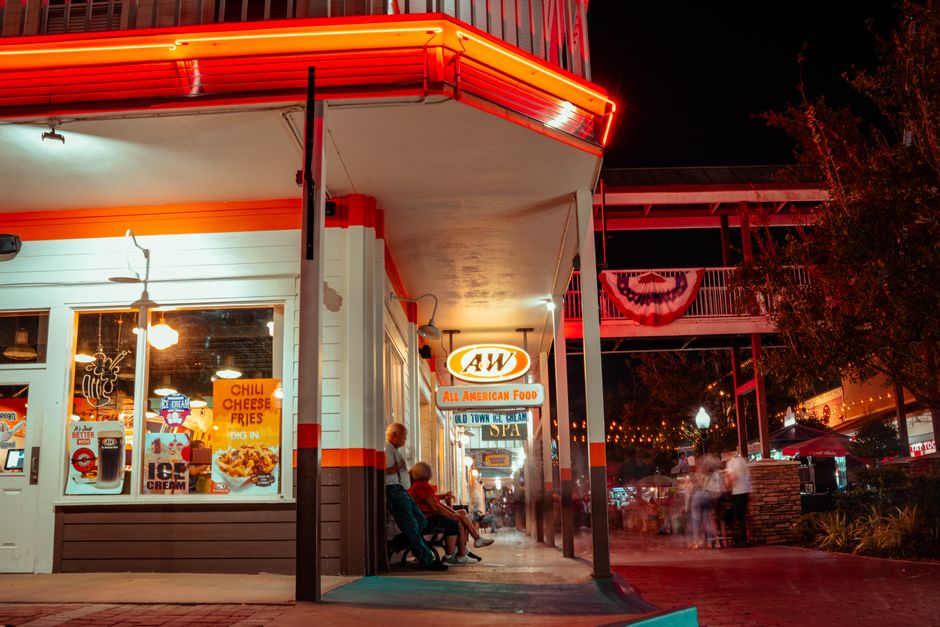
A&W stands as one of the earliest root beer stand chains, having built its entire identity around the drink from the beginning. The chain’s signature offering remains the Frosty mug float—a pairing of proprietary root beer syrup and soft serve vanilla ice cream topped with a swirl of creamy vanilla soft serve, all served in the chain’s iconic frosty mug. The formula relies on real cane sugar in the root beer base, a detail that sets it apart from most modern soft drinks.
One diner’s assessment was direct: “Nothing better than a float from here!” This simple endorsement speaks to why A&W has endured. The float isn’t a casual add-on; it’s the main event, engineered to deliver a specific experience that other chains have struggled to replicate at the same level of consistency. Fewer A&W locations remain open than in the chain’s heyday, but the ones still operating deliver exactly what fans remember.
Stewart’s: The Mansfield Carhop
Origins and Growth
Stewart’s Restaurants represent a different path to longevity. The chain traces its roots to 1924 in Mansfield, Ohio, when Frank Stewart founded the first location. What began as a single carhop-style drive-in was formalized into a franchise model by 1931, allowing the 1950s aesthetic and operational model to spread across multiple states. The chain markets itself under two related brands: Stewart’s Root Beer and Stewart’s Drive-In, both emphasizing the same nostalgic service model.
What Customers Praise About Stewart’s
Fans wax enthusiastic about multiple aspects of the menu. One regular says simply, “Best root beer I’ve ever had.” Another offers more context: “I love that place. It may be my childhood bias, but they have my ideal form of cheesefries. Their cheesesteaks are also really good.” This pattern—attachment rooted partly in memory, but validated by the actual food quality—defines how people relate to these chains.
Sonic Drive-In: Carhop Service Modernized
Sonic Drive-In occupies a middle ground. The chain operates with recognizable retro carhop service, appealing to the same nostalgic impulse as Stewart’s and A&W, but on a much larger scale. The chain makes its floats using Barq’s Root Beer paired with vanilla soft serve, typically finished with a crown of whipped cream. The combination is simple but deliberate—each component chosen to create a specific flavor and texture profile.
The carhop format at Sonic isn’t purely nostalgic theater; it’s a functional service model that remains popular. Customers can order from their cars, eat in the parking lot, and avoid the sit-down-restaurant experience. For diners seeking that particular combination of convenience and retro ambiance, Sonic delivers both.
Culver’s: The Custard-Forward Alternative
Culver’s doesn’t fit the strict definition of a root beer stand, yet it has become a destination for root beer float enthusiasts, particularly across the Midwest. The chain’s strategic choice to stock A&W root beer and pair it with its signature super-rich vanilla custard created a float offering that rivals the traditional chains. One fan posted enthusiastically: “Culver’s has A&W and with extra creamy custard, really good!!” Another added a characteristically hyperbolic endorsement: “Culver’s does have delicious rootbeer worth filling your belly, mind, soul, and bathtub with.”
The combination of premium custard with a recognized root beer brand produced a product that appeals to people who may never have visited an original root beer stand but recognize quality when they taste it. Culver’s locations are far more numerous than remaining A&W or Stewart’s spots, making this float accessible to a broader audience.
Why Root Beer Floats Endure
Despite the extinction of most root beer stands, the float itself has become timeless. The appeal isn’t complicated: cold, sweet, creamy, and nostalgic in a way that modern fast-food offerings rarely achieve. The fact that four separate chains have built or maintained significant portions of their business around this single drink-dessert hybrid suggests that the craving it satisfies isn’t a trend but a consistent part of American eating culture.
Each chain approaches the float slightly differently, but the principle remains constant. A&W emphasizes the proprietary root beer and the frosty mug ritual. Stewart’s roots the experience in the carhop tradition and pairs it with quality savory food. Sonic scales the carhop model while using a widely available root beer. Culver’s leverages premium custard as the distinguishing factor. All four have found a formula that keeps people coming back.
Frequently Asked Questions
When did Stewart's Restaurants start, and who founded it?
Frank Stewart founded the first Stewart's location in Mansfield, Ohio, in 1924. It became a franchise model in 1931.
What is Culver's most popular float combination?
Culver's pairs A&W root beer with its signature super-rich vanilla custard, a combination fans call delicious.
What root beer does Sonic Drive-In use for its floats?
Sonic Drive-In makes its floats with Barq's Root Beer and vanilla soft serve, typically topped with whipped cream.
