
Key takeaways
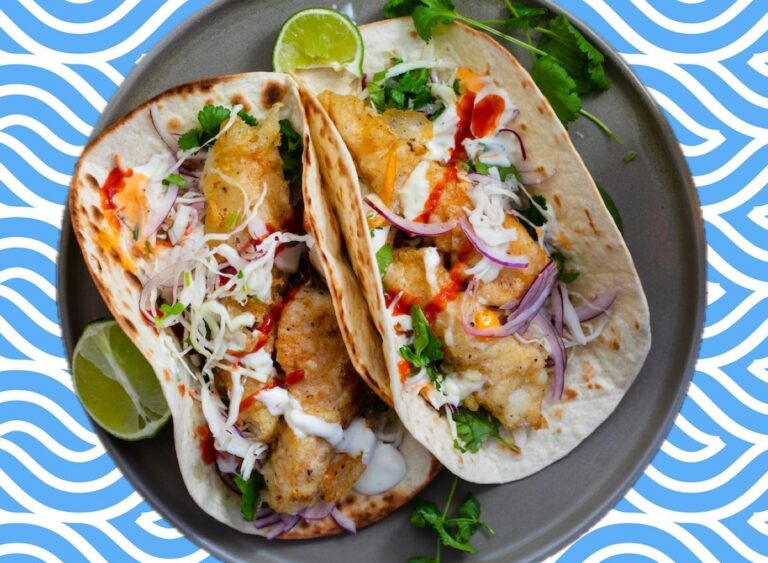
- The crispy exterior that defines beloved fried fish at restaurant chains masks alarming sodium and fat concentrations.
- Long John Silver’s uses Alaskan Pollock fillets in their Fish Basket, while Culver’s sources North Atlantic Cod from the Barents Sea for their signature sandwich.
- Nutrition-conscious diners should request sodium content information before ordering, as chain fried fish entrees frequently deliver 150% of daily sodium limits in single servings.
Texas Roadhouse’s Fish and Chips delivers 3,590 mg of sodium—150% of the daily recommended limit—alongside 86 grams of fat in a single entree, according to dietitian analysis. The pursuit of that signature golden, crispy texture at America’s top casual dining chains comes with a substantial nutritional cost that extends far beyond calories. Understanding which restaurants prioritize quality fish sourcing and preparation methods reveals why some chains achieve superior crispness while others rely on excessive oil absorption and heavy battering to create their signature texture.
The Hidden Cost of Achieving That Perfect Golden Crust
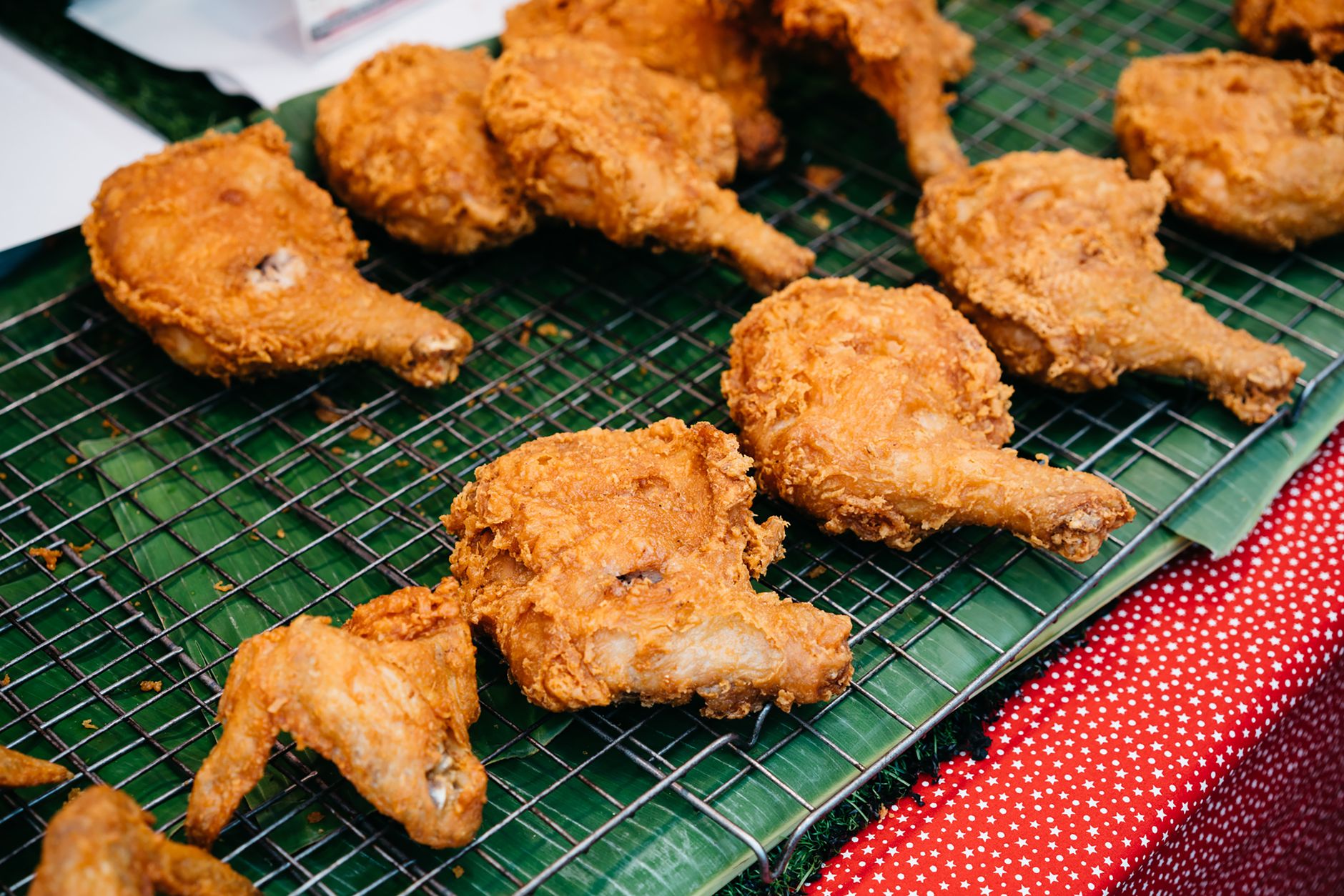
The crispy exterior that defines beloved fried fish at restaurant chains masks alarming sodium and fat concentrations. Applebee’s Hand-Battered Fish & Chips contains 1,470 calories, 95 grams of fat, and 3,200 mg of sodium per serving, with an additional 21 grams of sugar equivalent to a serving of vanilla ice cream. Registered dietitian Marlyne Perez, RDN, LD, identified that Texas Roadhouse’s offering packs more than six tablespoons’ worth of oil absorbed into the batter alone, demonstrating how the golden texture directly correlates with excessive oil saturation rather than superior cooking technique.
A standard restaurant-style battered and breaded fried fish fillet provides 495 calories, 24.4 grams of total fat, and 38.2 grams of total carbohydrates per 226-gram serving, with 36.1 grams representing net carbs. The breading accounts for the majority of carbohydrate content, creating a significant glycemic load that makes traditional fried fish unsuitable for strict Low-Carbohydrate and ketogenic diet protocols without substantial modifications. The Center for Science in the Public Interest flagged a specific “Big Catch” meal—fried haddock with hush puppies and onion rings—as containing 33 grams of trans fat, 19 grams of saturated fat, and 3,700 mg of sodium, representing some of the highest fat and sodium content available in the United States restaurant market despite a moderate 1,350-calorie count.
Which Chains Source Superior Fish and Employ Better Techniques
Long John Silver’s uses Alaskan Pollock fillets in their Fish Basket, while Culver’s sources North Atlantic Cod from the Barents Sea for their signature sandwich. Bennigan’s employs a beer batter recipe combining one cup of beer with two tablespoons of rice flour and salt, creating a light, crispy shell that shatters at first bite—a texture differentiator from heavy flour-only batters used by competitors. Fish species selection matters significantly for both mercury content and sustainability; Pollock and Cod represent lower-mercury options that maintain nutritional integrity throughout the frying process.
Culver’s Cod Filet sandwich contains one gram of trans fat per 663-calorie serving, making it the only major chain in comparative analyses to register detectable trans fat levels—a critical health warning for consumers monitoring cardiovascular risk factors. The preparation method itself determines nutritional outcomes more significantly than ingredient selection; air-frying reduces calories to 150–180 per 100 grams compared to 200 per 100 grams for deep-fried preparations, while preserving 95% of omega-3 fatty acids that deep-frying at temperatures exceeding 200°C destroys by 20–30 percent. For consumers prioritizing weight loss or ketosis maintenance, substituting air-fried fish for deep-fried versions cuts calories by approximately 25% while reducing glycemic impact when whole-grain or alternative flour coatings replace traditional wheat-based batters.
Healthier Alternatives Within the Same Restaurant Chains
Bonefish Grill’s Tilapia served with vegetables provides 334 calories, 13 grams of fat, and 270 mg of sodium per entree, containing at least half the calories, fat, and sodium of fried fish offerings at comparable casual dining establishments. Applebee’s Blackened Tilapia delivers 450 calories, 17 grams of fat, and 1,640 mg of sodium, demonstrating that preparation method—specifically blackening versus battering and frying—produces dramatic nutritional differences within identical restaurant menus. Perez emphasized that these healthier preparations allow consumers to maintain the restaurant dining experience and seafood protein intake without the health penalties associated with deep-fried preparations.
Regional variations in fat content reveal that seafood meals from chains in the Deep South and Ohio River Valley contain more total calories and saturated fat per 100 grams than restaurants in other geographic regions. Peer-reviewed research identified that the average seafood menu item at regional chains provides up to 65% of the daily sodium limit and 49–61% of the saturated fat limit, suggesting that Southern-style fried fish at establishments like Texas Roadhouse and Captain D’s statistically represents the unhealthiest options compared to Northern and coastal chain alternatives. For consumers seeking the fried fish experience with reduced health risks, requesting modifications—such as patting fillets dry before frying to reduce oil absorption by 40%, or requesting whole wheat coatings—addresses both the sodium and fat concerns endemic to traditional preparations.
Decades of Recipe Refinement Define the Golden Standard
Harry Ramsden’s in the United Kingdom has employed the same secret batter recipe since 1928, creating a light, crispy shell that shatters at first bite through specific ratios and technique rather than excessive oil saturation. Long John Silver’s has maintained its battering and frying methods since 1969, with the longevity of these recipes indicating that the specific batter-to-fish ratio and frying temperature represent the true secrets to achieving golden texture rather than simply increasing oil absorption or batter thickness.
Optimal frying temperatures between 165–180°C preserve 70–80% of fish nutrients, whereas high heat exceeding 200°C degrades nutritional content significantly. Professional cooks maintain oil at 350°F (approximately 175°C) to achieve the hot, crispy, golden texture while preserving the fish’s health benefits; marinating fillets in lemon and herbs before frying enhances flavor profiles and reduces reliance on salt, directly addressing the sodium excess common in chain restaurant versions.
What Consumers Should Monitor When Ordering Fried Fish
Nutrition-conscious diners should request sodium content information before ordering, as chain fried fish entrees frequently deliver 150% of daily sodium limits in single servings. Substituting air-fried preparations where available, requesting modifications to batter composition, and pairing fried fish with vegetable sides rather than fried accompaniments like hush puppies and onion rings substantially reduces overall meal calorie and sodium impact.
The crispy, golden fried fish that defines casual dining seafood menus results from decades of recipe refinement and precise temperature control rather than excessive oil or heavy battering. Consumers prioritizing both the restaurant experience and nutritional health can achieve satisfaction by understanding which chains source superior fish, employ better cooking techniques, and offer preparation modifications that preserve the beloved crispy texture while reducing sodium, trans fat, and caloric content.
