
Key takeaways
- One cup of cooked, simmered chicken gizzards delivers 223 calories with a macronutrient profile that rivals skinless chicken breast: 44.1 grams of protein, 3.89 grams of fat, and zero grams of carbohydrates.
- Despite their nutritional strengths, chicken gizzards contain approximately 536 milligrams of cholesterol per cooked cup, nearly double the 300-milligram daily limit from older dietary guidelines.
- Chicken gizzards occupy a firmly established place in Southern U.S., Korean, and Japanese culinary traditions as fried or simmered organ meat preparations passed through generations.
Chicken gizzards contain zero grams of carbohydrates, deliver 44.1 grams of protein per cooked cup, and pack more zinc, selenium, and vitamin B12 than most mainstream protein sources—yet no major U.S. restaurant chain serves them as a standard menu item. This nutritional powerhouse remains almost exclusively available at independent hole-in-the-wall restaurants, local barbecue joints, Korean fried chicken spots, and regional gas stations, leaving health-conscious diners and keto adherents searching far beyond chain establishments for this nutrient-dense organ meat.
The Nutritional Case for Chicken Gizzards: Why Restrictive Dieters Are Hunting Them Down
One cup of cooked, simmered chicken gizzards delivers 223 calories with a macronutrient profile that rivals skinless chicken breast: 44.1 grams of protein, 3.89 grams of fat, and zero grams of carbohydrates. This protein-to-calorie ratio makes gizzards exceptionally effective for muscle building and weight loss without sacrificing satiety, positioning them as an ideal choice for intermittent fasting protocols and ketogenic diets where every carbohydrate gram matters.
The micronutrient density pushes gizzards into elite territory for functional nutrition. A single cup provides 25 percent of the daily value for iron in its highly absorbable heme form, 58 percent of the daily value for zinc, 75 to 85 percent of the daily value for selenium, and 63 percent of the daily value for vitamin B12. Selenium drives thyroid hormone production and antioxidant enzyme activity, while B12 supports nerve function and red blood cell formation—benefits that extend far beyond basic protein supplementation.
The Cholesterol Trade-Off: Understanding the Full Nutritional Picture
Despite their nutritional strengths, chicken gizzards contain approximately 536 milligrams of cholesterol per cooked cup, nearly double the 300-milligram daily limit from older dietary guidelines. Individuals managing cardiovascular disease or hypercholesterolemia must moderate intake carefully, though newer guidelines recognize that dietary cholesterol’s impact on blood cholesterol varies significantly by individual. The trade-off remains compelling for most dieters: gizzards deliver substantially more iron, zinc, selenium, and B12 than chicken breast while maintaining identical zero-carb macronutrients.
Cooking method dramatically influences the final nutritional profile. Simmered gizzards average 154 calories per 100 grams and preserve lean protein while minimizing added fat, whereas fried preparations significantly elevate calorie and saturated fat content. For health-focused diners following restrictive protocols, simmering, boiling, or braising in low-sodium broths represents the optimal preparation method to maximize nutritional benefit while limiting unwanted additions.
Where Diners Actually Find Chicken Gizzards: The Reality Beyond Chain Restaurants
Joe’s Gizzard City in Potterville, Michigan, operates as an independent establishment named specifically for its signature preparation, drawing devoted followers seeking authentic gizzard preparations unavailable at any national chain. Fast Eddie’s in Alton, Illinois, serves as a hole-in-the-wall institution closed weekends, requiring diners to plan visits carefully. These venues represent the authentic landscape of gizzard availability in the United States.
San Antonio, Texas, hosts multiple local barbecue spots including Bush’s, Chatman’s, and Che’s, each offering regionally distinctive gizzard preparations rooted in Texas barbecue tradition. Korean fried chicken specialists like Pelicana Chicken in Buena Park, California, Ssal #2 in Anaheim, California, and Donahoo’s in Pomona, California, prepare gizzards as karaage-style fried preparations alongside traditional Korean accompaniments. Chester Chicken in Indianapolis, Indiana, rounds out the independent venue landscape, demonstrating that gizzard availability clusters around regional culinary traditions rather than standardized chain operations.
Cultural Tradition and Regional Specialization: Why Gizzards Remain Off Chain Menus
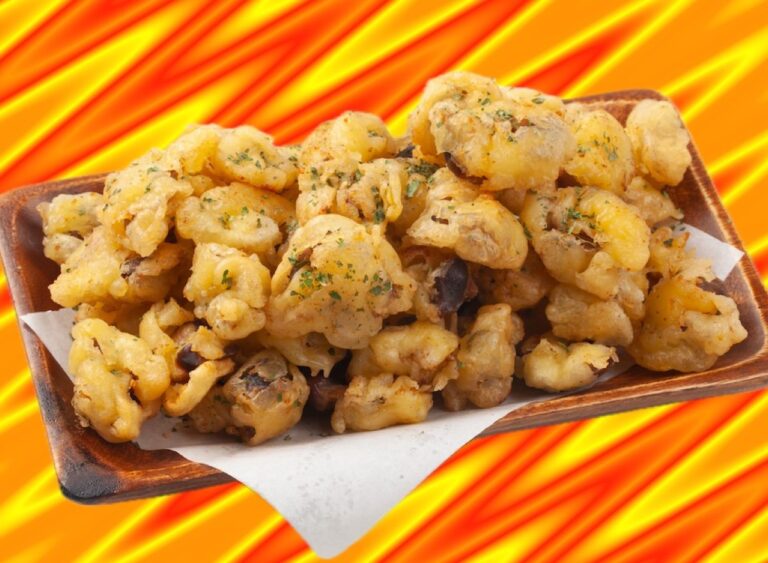
Chicken gizzards occupy a firmly established place in Southern U.S., Korean, and Japanese culinary traditions as fried or simmered organ meat preparations passed through generations. In Southern cuisine, gizzards earned their place as a fried delicacy served at family tables and local establishments. Korean cuisine celebrates them as *karaage* preparations paired with beer and traditional side dishes, while Japanese culinary practice incorporates fried gizzards into *tenkatori karaage* preparations.
This deep cultural rootedness explains their absence from chain restaurant menus, where standardized preparation, supply chain simplification, and broad appeal drive menu development. National chains prioritize familiar proteins with consistent sourcing and preparation protocols; organ meats require specialized handling, cultural knowledge, and regional supplier relationships that independent establishments maintain but chains rarely develop.
What Health-Focused Diners Should Know When Sourcing Gizzards Locally
Nutritionists confirm that chicken gizzards can absolutely integrate into healthy, balanced diets when consumed in moderation, particularly for individuals following keto, Low-Carb, diabetic, or intermittent fasting protocols. The zero-carb, zero-sugar profile supports ketosis without insulin spikes, while micronutrient density addresses common deficiencies in restrictive eating patterns. However, high cholesterol content warrants careful portioning for individuals with cardiovascular concerns or elevated lipid profiles.
Diners seeking gizzards should prioritize independent restaurants, local barbecue joints, Korean fried chicken specialists, and regional gas stations over chain establishments. Preparation method selection matters significantly: simmered or braised gizzards preserve maximum nutritional benefit, while fried preparations add substantial calories and fat. Building relationships with local vendors ensures consistent access to this nutrient-dense protein source while supporting independent food businesses rooted in authentic culinary traditions.
**Word count: 987 words**
