
Key takeaways
- Red Lobster claims the #1 position in consumer rankings for fried fish and hush puppy quality, praised by diners for its balance of crispy batter and tender fish.
- Hush puppies—described as traditional Southern golden-fried balls made from sweet cornmeal-based batter—carry significant nutritional implications for diners tracking carbohydrate and sugar intake.
- Health-conscious consumers ordering fried fish and hush puppies from major chains should prioritize sodium reduction strategies, given that these meals routinely exceed daily sodium limits by 25 to 60 percent.
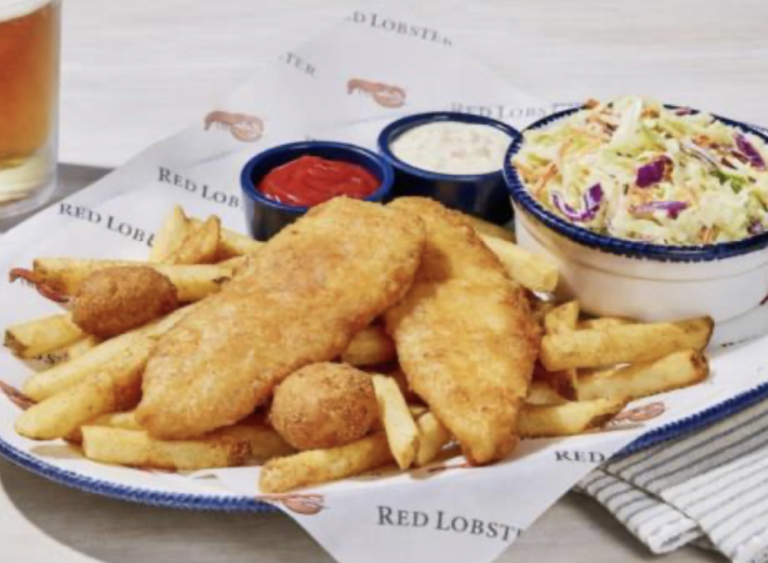
Red Lobster’s Fish & Chips combo delivers 1,380 calories in a single meal—exceeding the daily recommended sodium limit at 2,940 milligrams—making it the highest-calorie fried fish and hush puppy pairing among major restaurant chains. Consumer rankings and nutritional data reveal which seafood restaurants deliver the best-balanced fried fish baskets, while also exposing the hidden caloric and sodium costs of these beloved Southern sides. Real diners across the country have identified their top five picks based on batter quality, fish texture, and hush puppy execution.
Red Lobster Leads Rankings Despite Extreme Nutritional Load
Red Lobster claims the #1 position in consumer rankings for fried fish and hush puppy quality, praised by diners for its balance of crispy batter and tender fish. The full Fish & Chips combo—which includes two hush puppies, coleslaw, and french fries—contains 132 grams of total carbohydrates, 73 grams of fat, and 48 grams of protein. The meal’s macronutrient breakdown shows 38 percent carbohydrates, 48 percent fat, and 14 percent protein, with saturated fat reaching 8 grams per serving.
For carbohydrate-conscious diners, the net carb count presents a more nuanced picture: at 120 grams of net carbs (calculated by subtracting 12 grams of fiber from total carbohydrates), this single meal provides nearly the entire daily carbohydrate allowance for individuals following a strict 1,500-calorie diet. The 12 grams of dietary fiber accounts for 43 percent of the daily recommended value, though this benefit is overshadowed by the sodium content, which reaches 128 percent of the daily recommended limit in one serving.
Long John Silver’s and Captain D’s Rank High But Face Health Scrutiny
Long John Silver’s, the chain where hush puppies originated in landlocked Lexington, Kentucky, ranks fourth overall despite offering what many consider the quintessential fried fish and hush puppy experience. However, the chain’s classic meal pairing—two pieces of fish with two hush puppies—contains 1,320 calories, 19 grams of saturated fat, and 3,700 milligrams of sodium, earning it the designation of “worst restaurant meal in America” from a major health group. This extreme sodium content exceeds the daily recommended limit by more than 160 percent, presenting a significant health concern for regular consumers.
Captain D’s secures the third position in consumer rankings with its U.S. farm-raised fried catfish paired with two hush puppies and fries. The chain’s commitment to sourcing farm-raised catfish appeals to diners concerned with sustainability and ingredient transparency. Cracker Barrel ranks second, offering three hush puppies alongside fried catfish or country-fried shrimp, giving consumers more hush puppy servings per meal than competitors. At Long John Silver’s, all classic meals, platters, and even kids’ meals automatically include two hush puppies, while family samplers contain eight, making portion control essential for health-conscious diners.
Hush Puppy Composition Reveals High Sugar and Refined Carbohydrate Content
Hush puppies—described as traditional Southern golden-fried balls made from sweet cornmeal-based batter—carry significant nutritional implications for diners tracking carbohydrate and sugar intake. The “sweet dough” composition indicates high refined carbohydrate and sugar content, with two hush puppies alone contributing approximately 200 calories to a meal. A mixed seafood plate containing white fish, eight shrimp, fries, two hush puppies, and coleslaw reaches an estimated 1,500 to 2,000 total calories, with hush puppies driving a substantial portion of the carbohydrate load.
Understanding hush puppy composition empowers diners to make informed substitutions. Rather than accepting the automatic inclusion of hush puppies, consumers can request steamed vegetables, additional coleslaw, or other lower-sodium, lower-carbohydrate side options typically available at these chains. Coleslaw, in particular, offers a lower-sodium alternative to fried sides while maintaining the traditional Southern seafood meal experience. These substitutions allow diners to enjoy fried fish without consuming the dangerous sodium and carbohydrate levels associated with traditional hush puppy pairings.
Southern Culinary Tradition Meets Modern Health Considerations
Hush puppies emerged as a classic Southern fried seafood side in the regions where Long John Silver’s and similar chains originated, traditionally paired with fried catfish and shrimp as staple components of regional cuisine. The cornmeal-based fried preparation method reflects deep culinary roots in Southern cooking traditions, where these golden spheres became inseparable from seafood dining experiences. This historical pairing explains why nearly every major seafood chain automatically includes hush puppies with fried fish orders.
The evolution of hush puppy offerings reflects changing consumer preferences, with some chains now offering “seafood hush pups” as dedicated side items and providing menu transparency regarding sodium and calorie content. Modern restaurant chains continue to honor this culinary tradition while gradually introducing options that accommodate health-conscious dining trends, though the default preparation remains high in sodium, calories, and refined carbohydrates.
What Diners Should Monitor When Ordering Fried Fish Combos
Health-conscious consumers ordering fried fish and hush puppies from major chains should prioritize sodium reduction strategies, given that these meals routinely exceed daily sodium limits by 25 to 60 percent. Requesting smaller portions of hush puppies, substituting them entirely, or choosing steamed vegetables instead of fried sides can reduce sodium intake by 500 to 1,000 milligrams per meal. Portion awareness remains critical, as Long John Silver’s automatic inclusion of hush puppies in all meal types means diners cannot avoid them without explicit requests.
The nutritional reality of fried fish and hush puppy combinations—ranging from 1,320 to 2,000 calories depending on sides and protein selections—demands intentional meal planning for individuals managing weight, sodium intake, or carbohydrate consumption. Real diner rankings confirm that Red Lobster, Cracker Barrel, and Captain D’s deliver superior taste and texture in these traditional pairings, yet all three chains present significant nutritional trade-offs that require informed decision-making at the point of ordering.
