
Key takeaways
- The 43-gram carbohydrate count in a standard serving of corned beef hash presents a significant hurdle for individuals following strict low-carb or ketogenic protocols.
- Professional chefs have identified daikon radish as the optimal potato replacement for creating authentic low-carb corned beef hash without sacrificing taste or mouthfeel.
- Canned varieties of corned beef hash present a significant sodium challenge for consumers managing blood pressure or following heart-healthy dietary protocols.
- Despite elevated sodium and fat content, corned beef hash provides exceptional micronutrient value, functioning as an excellent source of protein, iron, niacin, vitamin B6, vitamin B12, zinc, and selenium.
# 4 Top Chain Restaurants for Corned Beef Hash, According to Professional Chefs
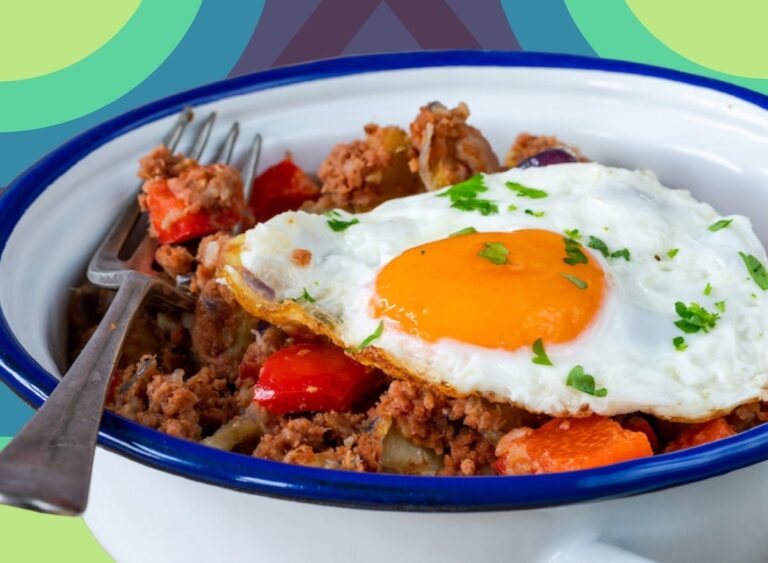
A standard serving of corned beef hash delivers 43 grams of total carbohydrates alongside 26 grams of protein and 16.08 grams of fat, making it a macronutrient-dense breakfast staple that demands careful consideration for Low-Carb and keto dieters. Professional chefs across the country continue to refine corned beef hash recipes, focusing on texture, nutrient density, and ingredient quality to elevate this classic dish beyond its diner origins. The renewed interest in optimizing this breakfast favorite reflects broader dietary trends emphasizing both functional nutrition and culinary technique.
Nutritional Profile and Carbohydrate Considerations for Restrictive Diets
The 43-gram carbohydrate count in a standard serving of corned beef hash presents a significant hurdle for individuals following strict low-carb or ketogenic protocols. For those maintaining a total daily carbohydrate intake below 100 grams, a single serving of traditional corned beef hash consumes nearly half of the daily allowance, leaving limited flexibility for other meals and snacks. This macronutrient reality has prompted nutritionists and chefs to develop modified versions that maintain the dish’s signature flavor and texture while dramatically reducing its carbohydrate impact.
The protein component—26 grams per serving—positions corned beef hash as a legitimate protein source for muscle maintenance and satiety, equivalent to approximately 1.3 eggs or 0.3 chicken breasts. However, the protein density becomes diluted when calculated on a per-100-gram basis, yielding only 8.1 grams of protein per 100 grams of the finished dish. This dilution occurs because potatoes comprise a substantial portion of traditional hash, contributing volume and carbohydrates while reducing the overall protein density compared to pure meat sources.
Low-Carb Modifications and Ingredient Substitutions
Professional chefs have identified daikon radish as the optimal potato replacement for creating authentic low-carb corned beef hash without sacrificing taste or mouthfeel. The substitution requires peeling and cubing the daikon radish to match the size of traditional potato cubes, then boiling the pieces for 10 to 12 minutes until they achieve fork-tender consistency. This preparation method maintains the structural integrity of the radish while ensuring it absorbs flavors from the corned beef and onions during the critical pan-frying stage.
The pan-frying technique that follows boiling distinguishes professional-quality hash from home versions that skip the preliminary cooking step. After boiling, the radish cubes are combined with corned beef and onions, then pressed into an even layer in a hot oil-filled skillet where they cook undisturbed for 3 to 5 minutes. This technique develops the golden crust—the defining characteristic that separates hash from stewed mixtures—while the daikon radish achieves the crispy exterior and tender interior texture that diners expect.
Sodium Content and Heart Health Implications
Canned varieties of corned beef hash present a significant sodium challenge for consumers managing blood pressure or following heart-healthy dietary protocols. A single 14-ounce can of Food Lion Corned Beef Hash contains 1,010 milligrams of sodium, representing 42 percent of the daily recommended value, paired with 350 calories and 9 grams of saturated fat. This sodium concentration reflects the curing and preservation methods inherent to traditional corned beef production, where salt serves as both a flavoring agent and preservative.
The saturated fat content of 9 grams per can—constituting 45 percent of the daily value—compounds the cardiovascular considerations for regular consumers of canned hash products. For individuals prioritizing sodium reduction or managing cholesterol levels, fresh homemade versions allow precise control over salt addition and fat selection, enabling customization that canned products cannot provide. Professional chefs consistently recommend preparing corned beef hash from whole ingredients rather than relying on canned products when sodium management is a dietary priority.
Micronutrient Density and Essential Nutrient Profile
Despite elevated sodium and fat content, corned beef hash provides exceptional micronutrient value, functioning as an excellent source of protein, iron, niacin, vitamin B6, vitamin B12, zinc, and selenium. The B vitamin complex present in corned beef—particularly B12 and B6—supports energy metabolism and nervous system function, making the dish particularly valuable for individuals with increased nutrient demands or absorption concerns. Iron content contributes to blood health and oxygen transport, addressing deficiency risks common in certain populations.
Enhancing the micronutrient profile through vegetable additions amplifies the functional nutrition of corned beef hash without significantly increasing carbohydrate content when using low-carb vegetables. Bell peppers and carrots, incorporated in many professional recipes, increase dietary fiber, potassium, and additional vitamins while maintaining the dish’s structural integrity. The combination of the corned beef’s mineral density and vegetable-derived phytonutrients creates a nutrient-dense meal supporting multiple aspects of metabolic health.
Cooking Technique: The Science Behind Crispy Potatoes
The optimal method for achieving crispy, evenly cooked potatoes in traditional corned beef hash involves a two-stage cooking process that professional chefs have refined through extensive kitchen experience. Boiling cubed potatoes for 15 to 20 minutes until tender allows them to cook through completely, eliminating the risk of raw centers when they subsequently enter the high-heat pan-frying stage. This preliminary boiling step accelerates the pan-frying process, enabling the exterior to brown and crisp while the interior remains creamy and tender.
Pan-frying pre-boiled potatoes over high heat in oil creates the maillard reaction responsible for the golden crust and complex flavors that distinguish restaurant-quality hash from basic preparations. The contrast between the crispy exterior and tender interior provides textural complexity that elevates the eating experience, a technique that cannot be replicated by pan-frying raw, cubed potatoes directly. Professional chefs emphasize that this two-stage approach represents the gold standard for texture control and consistency.
Processing and Ingredient Quality in the Modern Kitchen
The availability of uncured corned beef products, such as those offered by specialty retailers, has expanded options for health-conscious consumers seeking to reduce nitrite and preservative intake. Uncured corned beef eliminates synthetic curing agents while maintaining the flavor profile and texture characteristics essential to authentic hash preparation. Some professional recipes incorporate diced ham as an alternative protein, demonstrating the flexibility of the hash framework while maintaining core preparation techniques.
Ingredient sourcing decisions directly impact both nutritional outcomes and flavor development in corned beef hash preparation. Fresh, high-quality corned beef sourced from reputable suppliers typically contains fewer additives and lower sodium levels than mass-produced alternatives, though individual products vary significantly. Professional chefs prioritize ingredient transparency and sourcing practices as fundamental to producing superior versions of this classic dish.
Monitoring Developments in Hash Preparation and Dietary Applications
The evolution of corned beef hash recipes continues as chefs and nutritionists identify new low-carb substitutions and cooking techniques that optimize both nutritional outcomes and flavor delivery. Emerging research on daikon radish’s bioavailability and nutritional profile may further validate its use as a potato replacement in restrictive diet applications. Future recipe developments will likely emphasize vegetable incorporation strategies that enhance micronutrient density without compromising the structural integrity of the classic hash texture.
Consumers following low-carb, keto, intermittent fasting, and weight-loss protocols now have access to professionally-tested recipes and techniques that transform corned beef hash from a high-carbohydrate indulgence into a compatible meal option. The continued refinement of preparation methods and ingredient substitutions demonstrates that traditional dishes can be adapted to meet modern dietary requirements without sacrificing the sensory qualities that make them appealing. As nutritional science advances and consumer demand for functional foods grows, corned beef hash stands as a prime example of how culinary technique and dietary science converge to create satisfying, health-aligned meals.
