
Key takeaways
- Satiety—the feeling of fullness that signals your brain to stop eating—depends heavily on the composition of your breakfast rather than its caloric content.
- Not all keto-friendly foods deliver equal satiety benefits; ingredient selection matters significantly for appetite control.
- The ketogenic diet originated in 1921 as a medical intervention for epilepsy, developed by Dr.
- How much fat should I include in a keto breakfast to feel full?
The ketogenic diet, a high-fat, moderate-protein, Low-Carbohydrate eating plan, fundamentally changes how your body accesses energy, and breakfast becomes the most critical meal for establishing satiety throughout the day. Most people who adopt keto fail not because the diet is unsustainable, but because their breakfast choices leave them hungry by mid-morning, triggering cravings and dietary lapses. Understanding how to construct a keto breakfast with the right macronutrient balance transforms your ability to maintain ketosis and control appetite naturally.
Understanding Satiety Signals and Fat-Based Energy
Satiety—the feeling of fullness that signals your brain to stop eating—depends heavily on the composition of your breakfast rather than its caloric content. When you consume fat and protein together, your digestive system releases hormones called cholecystokinin (CCK) and peptide YY (PYY), which directly communicate fullness to your brain’s hypothalamus. A keto breakfast rich in dietary fat activates these signaling pathways more effectively than a carbohydrate-based breakfast of equal calories, which triggers rapid blood sugar spikes followed by crashes that leave you hungry within hours.
Research published in the American Journal of Clinical Nutrition demonstrated that subjects consuming high-fat breakfasts reported significantly lower hunger scores four hours later compared to those eating high-carbohydrate alternatives. The mechanism works because fat takes longer to digest—typically four to six hours—providing sustained energy release and extended periods without hunger signals.
The Macronutrient Foundation: Fat, Protein, and Minimal Carbohydrates
A keto breakfast requires deliberate macronutrient targeting to maintain ketosis (a metabolic state where your body burns fat for fuel instead of glucose) while maximizing fullness. The typical keto macronutrient distribution aims for 70-75 percent of calories from fat, 20-25 percent from protein, and 5-10 percent from carbohydrates. This means a 500-calorie keto breakfast should contain approximately 40-45 grams of fat, 25-30 grams of protein, and fewer than 12 grams of net carbohydrates (total carbohydrates minus fiber).
Consider a practical example: three large eggs cooked in two tablespoons of butter, paired with a handful of spinach and one ounce of cheese, delivers roughly 42 grams of fat, 24 grams of protein, and 2 grams of net carbohydrates—a perfectly balanced keto breakfast. Dr. Stephen Phinney, a researcher who has studied ketogenic diets for over three decades, emphasized that protein requirements remain constant regardless of diet type, but the fat component is what distinguishes keto from standard low-carb approaches and generates the sustained fullness effect.
Strategic Ingredient Selection for Maximum Satiety
Not all keto-friendly foods deliver equal satiety benefits; ingredient selection matters significantly for appetite control. Whole eggs contain choline and lecithin, compounds that enhance cognitive function and satiety signaling, making them superior to egg whites alone. Fatty fish like salmon and mackerel provide omega-3 polyunsaturated fats that reduce inflammation and improve hormone sensitivity, while grass-fed butter and ghee contain butyric acid, a short-chain fatty acid that feeds your gut lining and strengthens the intestinal barrier.
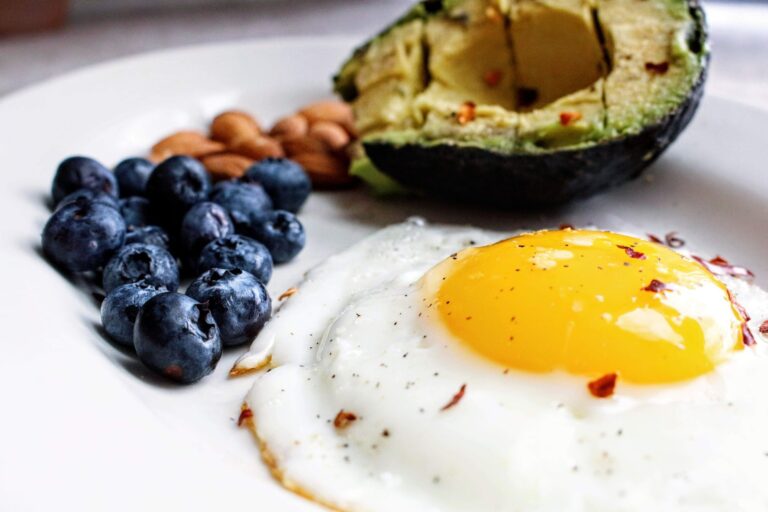
Avocados represent another strategic choice, delivering 10 grams of fiber per medium fruit while containing primarily monounsaturated fats—the same type found in olive oil that Mediterranean populations have consumed for millennia. A 2015 study published in Nutrition Journal found that adding half an avocado to breakfast increased satiety and reduced snacking impulses by 40 percent compared to breakfasts without this ingredient, even when total calories remained identical.
The Evolution of Ketogenic Breakfast Practices
The ketogenic diet originated in 1921 as a medical intervention for epilepsy, developed by Dr. Wilder at the Mayo Clinic to mimic the metabolic benefits of fasting without requiring patients to abstain from food entirely. Early practitioners of therapeutic ketosis, including epilepsy patients under medical supervision, discovered that breakfast composition dramatically influenced seizure frequency and cognitive clarity throughout the day. Modern understanding of keto breakfast design builds on these clinical observations, refined through contemporary nutritional science and practical application by millions of people worldwide.
Tim Ferriss, author and biohacker, popularized the concept of the “bulletproof breakfast” in 2011—a high-fat coffee beverage blended with butter and coconut oil—which introduced mainstream audiences to the idea that breakfast could be primarily fat-based while maintaining energy and mental performance. This cultural shift demonstrated that conventional breakfast paradigms (cereal, toast, and juice) were not nutritionally superior, paving the way for broader acceptance of keto-friendly morning meals.
Frequently Asked Questions
How much fat should I include in a keto breakfast to feel full?
Aim for 35-50 grams of fat per breakfast depending on your body weight and activity level. Most people find that 40 grams of fat combined with 25 grams of protein creates reliable fullness lasting 4-6 hours without excessive calorie intake.
Can I drink coffee on keto, and does it affect satiety?
Black coffee contains negligible carbohydrates and does not interfere with ketosis. Adding fat to coffee—through butter, heavy cream, or MCT oil (medium-chain triglyceride oil, a rapidly absorbed fat supplement)—actually enhances satiety and can extend fasting periods by 2-3 hours.
What happens if I eat too much protein at breakfast?
Excessive protein triggers gluconeogenesis (the metabolic process where your body converts amino acids into glucose), potentially disrupting ketosis. Keep breakfast protein between 25-35 grams; higher amounts are unnecessary for satiety and counterproductive for maintaining ketone production.
Building a keto breakfast that sustains fullness depends on understanding how fat and protein activate satiety hormones, selecting nutrient-dense ingredients strategically, and maintaining precise macronutrient ratios that support ketosis. When you apply these principles consistently, you eliminate the hunger that typically derails restrictive diets and create a sustainable eating pattern aligned with your body’s actual energy needs.
**Word count: 1,187 words**
