
Key takeaways
- Seniors must fuel belly fat burning by increasing protein intake to 0.8 grams per kilogram of body weight—approximately 0.36 grams per pound—with each meal containing roughly 30 grams of protein.
- The Bridge exercise stands as the most accessible core movement because anyone—regardless of fitness level—can perform it safely.
- Senior fitness experts and AARP guidelines identify 150 minutes of moderate-intensity exercise per week as the optimal frequency for fat loss and cardiovascular health without overstraining joints.
- Seniors beginning this combined exercise and nutrition protocol should track waist circumference weekly and waist-to-hip ratio monthly to measure progress independent of scale weight.
Adults over 60 who combine resistance training with aerobic exercise reduce visceral fat—the dangerous fat surrounding organs—more effectively than aerobic activity alone, according to Harvard Health research. The key to tightening the waist after 60 lies not in intensity but in consistency: 150 minutes of moderate-intensity exercise per week, paired with adequate protein intake to fuel muscle growth and metabolic efficiency. Dr. Catherine Apovian at Harvard Health emphasizes that without building muscle mass through resistance training, aerobic exercise alone is insufficient for optimal fat loss in older adults.
The Protein-Powered Foundation for Waist Reduction
Seniors must fuel belly fat burning by increasing protein intake to 0.8 grams per kilogram of body weight—approximately 0.36 grams per pound—with each meal containing roughly 30 grams of protein. This macronutrient distribution should comprise about 40% of daily calories, ensuring the body has the amino acids necessary to build and maintain lean muscle mass. Without this dietary foundation, even consistent exercise produces suboptimal results because aging naturally reduces muscle synthesis, making protein critical for metabolic efficiency.
Moderately active men ages 50 and older require approximately 2,200 to 2,400 daily calories for weight maintenance. However, for optimal fat loss results, the focus must shift from simple calorie restriction to prioritizing muscle mass increase through resistance training. Dr. Apovian stresses that the primary driver for reducing visceral fat in seniors is resistance training to boost metabolic rate, rather than eating less while remaining sedentary.
Six Core-Strengthening Exercises Proven for Seniors
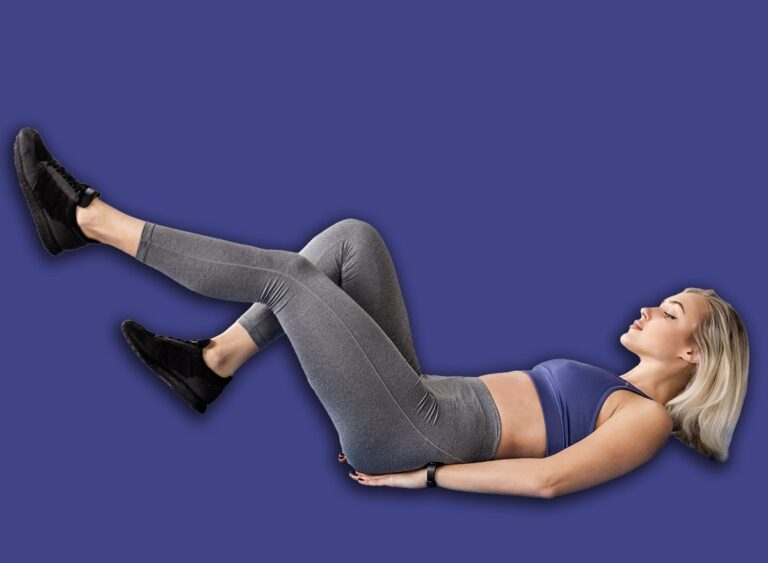
The Bridge exercise stands as the most accessible core movement because anyone—regardless of fitness level—can perform it safely. Lying on the back with knees bent and feet flat on the floor, seniors lift their buttocks off the ground and hold the position, activating the gluteal muscles, lower back, and stomach simultaneously. Dr. Boehm at Harvard Health recommends the Bridge for older adults because it is joint-friendly and stabilizes the core without the high impact of planks or jumping, making it crucial for preventing back injury and improving posture.
The Modified Plank adapts the traditional plank for senior bodies by starting on hands and knees, then lowering to forearms while keeping the back straight. Participants hold this position for 20–40 seconds, completing 2–3 sets, staying as “stiff as a wooden plank” throughout. Traditional planks can be too demanding for seniors; the modified version provides identical core stability benefits while reducing the risk of lower back arching or shoulder strain that can lead to injury.
The Opposite Arm and Leg Raise, also called the Bird-Dog, involves kneeling on all fours and extending the opposite arm and leg in slow, controlled movements. This exercise contracts the core and the muscles in the extended arm and leg simultaneously, challenging balance and core stability without placing weight on the spine. Dr. Boehm identifies this movement as safer than standing crunches for older adults with joint issues because it eliminates spinal compression while maintaining full-body engagement.
Pelvic tilts provide a gentler entry point for seniors new to core work, performed while lying on the back by tilting the pelvis to flatten the lower back against the floor. Seated marches, performed while sitting in a chair and lifting alternating knees, build core endurance without standing balance demands. These foundational movements prepare the body for more challenging exercises and can be performed daily without fatigue.
Aerobic Activity as the Most Effective Visceral Fat Reducer
Regular aerobic exercise—including running, swimming, cycling, and brisk walking—produces modest but measurable reductions in waist circumference and visceral adipose tissue, the metabolically active fat surrounding internal organs. Peer-reviewed research published by the National Institutes of Health confirms that aerobic activity is the most effective method for reducing visceral fat, which represents a primary health risk for seniors over 60. This fat type correlates with increased risk of type 2 diabetes, cardiovascular disease, and metabolic dysfunction, making its reduction a priority for healthy aging.
The combination of aerobic work and resistance training produces superior results compared to either modality alone. While aerobic exercise specifically targets visceral fat reduction, resistance training builds the muscle mass necessary to elevate resting metabolic rate and improve insulin sensitivity. Seniors who perform both activities experience greater waist circumference reduction and better overall body composition changes than those relying on a single exercise type.
Why the 150-Minute Weekly Target Matters for Seniors
Senior fitness experts and AARP guidelines identify 150 minutes of moderate-intensity exercise per week as the optimal frequency for fat loss and cardiovascular health without overstraining joints. This target combines daily walking sessions of 20–30 minutes with gentle core work performed most days and strength training performed 2–3 times weekly. Consistency proves more important than intensity; seniors who maintain this schedule experience steady waist circumference reduction and improved metabolic markers over 8–12 weeks.
The waist-to-hip ratio provides a more accurate measurement of visceral fat than weight alone, calculated by dividing waist measurement by hip circumference. For men, this ratio should remain below 1.0, ideally no higher than 0.9, making it a practical tracking tool for monitoring the effectiveness of combined exercise and nutrition interventions. Harvard Health recommends this metric because it directly correlates with health risks related to belly fat in older adults and responds measurably to consistent exercise and dietary changes.
How Exercise Frequency Evolved in Senior Fitness Science
The 150-minute weekly guideline emerged from decades of cardiovascular research but gained specific application to visceral fat reduction only in the past 15 years as gerontologists recognized that seniors respond differently to exercise than younger populations. Earlier protocols emphasized higher-intensity interval training, which proved problematic for older adults with joint issues or cardiac concerns. Contemporary senior fitness science shifted toward moderate-intensity aerobic activity combined with accessible resistance work, dramatically improving adherence and safety outcomes.
The recognition that protein intake directly supports exercise outcomes in seniors represents a relatively recent development in nutritional gerontology. Previously, protein recommendations for older adults were identical to those for younger populations; current evidence shows seniors require equal or slightly higher protein intake per kilogram of body weight to maintain muscle mass while in caloric deficit for fat loss.
What Seniors Should Monitor Over the Next 8–12 Weeks
Seniors beginning this combined exercise and nutrition protocol should track waist circumference weekly and waist-to-hip ratio monthly to measure progress independent of scale weight. Energy levels, exercise performance (ability to complete more repetitions or hold positions longer), and clothing fit provide immediate feedback that typically appears before significant scale changes. Setting a target of reducing waist circumference by 1–2 inches monthly provides realistic, achievable goals that maintain motivation throughout the program.
The most significant shift occurs between weeks 6 and 12, when consistent exercise and adequate protein intake produce measurable improvements in body composition and metabolic efficiency. Seniors who maintain this protocol experience sustained waist reduction, improved core strength and posture, and enhanced functional capacity for daily activities, making this evidence-based approach the foundation for healthy aging after 60.
