
Key takeaways
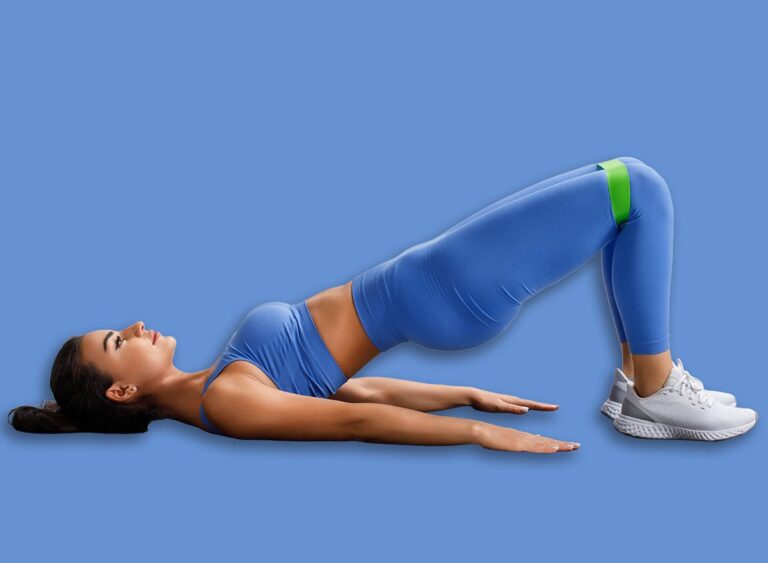
- The glute bridge challenge requires lying on your back with knees bent and feet flat, then lifting your hips to form a straight line while squeezing your glutes.
- Women over 51 need 1,300 mg of calcium daily, while men in the same age group require 1,000–1,300 mg, making dietary calcium intake non-negotiable for hip fracture prevention and joint integrity.
- Adults over 51 require 9 cups of fluid daily for women and 13 cups for men—a minimum of 8–10 glasses of water—because dehydration accelerates muscle loss and impairs joint lubrication.
- Physical therapist Heather Baker at Swedish Hospital recommends isometric holds of 15–20 seconds as the starting point for seniors with limited mobility or core stability issues.
Adults over 60 need 1.0–1.2 grams of protein per kilogram of body weight daily to preserve muscle mass during strength training, according to AARP research on age-related muscle loss. A progressive 5-day glute bridge exercise protocol, tested by health writer Lauren Clark in Women’s Health, combines targeted hip strengthening with strategic nutritional support to address sarcopenia—the accelerated muscle decline that affects millions of older adults. This dual approach of exercise and nutrition-focused diet changes delivers measurable results in hip stability and mobility within two weeks.
The 5-Day Glute Bridge Exercise Protocol Demands Protein-Rich Nutrition
The glute bridge challenge requires lying on your back with knees bent and feet flat, then lifting your hips to form a straight line while squeezing your glutes. The 5-day progression builds systematically: Day 1 involves 3 sets of 10 bodyweight bridges, Day 2 increases to 3 sets of 12, Day 3 advances to 4 sets of 10, Day 4 reaches 3 sets of 15, and Day 5 completes the cycle with 4 sets of 12 repetitions. This structured progression rebuilds hip strength without overloading joints.
However, exercise alone cannot rebuild muscle tissue. A 165-pound adult over 60 requires approximately 75–90 grams of protein daily, distributed across meals containing 20–35 grams per serving to maximize muscle synthesis. The amino acid leucine, needed at 2.5–2.8 grams daily, triggers the cellular repair mechanisms essential for converting the glute bridge challenge into actual muscle gains. Without this nutritional foundation, the five-day protocol yields minimal strength improvements.
Hip Bone Strength Requires Calcium, Vitamin D, and Omega-3 Support
Women over 51 need 1,300 mg of calcium daily, while men in the same age group require 1,000–1,300 mg, making dietary calcium intake non-negotiable for hip fracture prevention and joint integrity. Vitamin D enables calcium absorption, making fatty fish like salmon and tuna, along with canned fish with bones, cornerstone foods for seniors undertaking hip-strengthening protocols. Dark leafy greens and fortified cereals provide additional calcium without the bone density risks associated with deficiency.
Omega-3 fatty acids from salmon, walnuts, and flaxseeds significantly reduce joint inflammation, directly supporting hip health in older adults with osteoarthritis or post-surgery recovery needs. This anti-inflammatory benefit compounds the mechanical benefits of the glute bridge challenge, allowing seniors to progress through the five-day protocol with reduced joint pain. The combination of strength training and inflammation-reducing nutrition creates a synergistic effect that pharmaceutical interventions alone cannot replicate.
Hydration and Sodium Management Shape Recovery Outcomes
Adults over 51 require 9 cups of fluid daily for women and 13 cups for men—a minimum of 8–10 glasses of water—because dehydration accelerates muscle loss and impairs joint lubrication. During the five-day glute bridge challenge, proper hydration ensures muscle fibers receive adequate oxygen and nutrient delivery, directly influencing strength gains and mobility improvements. Limiting sugary and caffeinated drinks prevents the diuretic effects that undermine hydration status in older adults.
Maximum daily sodium intake should remain below 2,000 mg, as excess salt increases inflammation and strains joints throughout the body. Using herbs and spices instead of salt for flavor supports hip health while reducing systemic inflammation that interferes with recovery from the glute bridge challenge. This dietary adjustment costs nothing and delivers measurable reductions in joint stress within days of implementation.
Isometric Hold Progressions Offer Low-Risk Advancement
Physical therapist Heather Baker at Swedish Hospital recommends isometric holds of 15–20 seconds as the starting point for seniors with limited mobility or core stability issues. Three sets with 1-minute rest periods build endurance without the repetitive motion injury risks associated with high-repetition protocols. Progression to 30–60-second holds occurs naturally over the five-day challenge, allowing older adults to build strength at a sustainable pace.
This isometric modification proves particularly valuable for seniors who cannot tolerate the full bodyweight glute bridge protocol due to knee pain, lower back sensitivity, or balance concerns. By holding the bridge position, participants activate the same gluteal muscles and hip stabilizers while eliminating the dynamic movement that triggers pain in compromised joints. Combined with adequate protein intake and anti-inflammatory nutrition, isometric holds deliver hip strength improvements comparable to traditional bridge repetitions.
Nutritional Accommodations for Seniors with Chewing Difficulties
Seniors experiencing gum or teeth issues cannot access traditional protein sources like tough cuts of meat or raw vegetables, creating nutritional gaps that weaken hip-supporting muscles during strength training. Greek yogurt, cottage cheese, beans, and smoothies blended with leafy greens deliver equivalent protein and micronutrients in soft textures that require minimal chewing effort. Canned fish with bones provides calcium and omega-3s simultaneously, addressing multiple nutritional needs in a single ingredient.
Soft-food adaptations prevent the malnutrition that undermines the glute bridge challenge by ensuring older adults meet their elevated protein requirements despite texture limitations. A Greek yogurt bowl with ground flaxseeds and berries delivers 20 grams of protein, 2.5 grams of omega-3s, and substantial calcium in a single meal. This nutritional strategy removes barriers to successful strength training completion.
The Evolution of Hip Health Protocols in Aging Populations
Hip strength training for seniors has shifted from purely therapeutic interventions focused on injury recovery toward proactive strength-building protocols that prevent falls and maintain independence. The five-day glute bridge challenge represents this evolution—a structured program that older adults can complete at home without equipment or supervision, making hip strengthening accessible to millions. This democratization of hip health protocols reflects broader recognition that sarcopenia and hip weakness are modifiable conditions, not inevitable consequences of aging.
Research from AARP on muscle preservation after 60 demonstrates that exercise combined with optimized protein intake produces measurable strength gains in weeks, not months. This evidence-based timeline motivates older adults to commit to the five-day challenge, knowing that visible improvements arrive quickly when nutrition supports exercise efforts.
Monitoring Progress Beyond the Five-Day Challenge
Seniors completing the five-day glute bridge challenge should continue the protocol beyond day five, progressively increasing hold times or repetitions while maintaining elevated protein intake of 75–90 grams daily. Tracking hip stability improvements—easier stair climbing, reduced fall risk, and improved balance during daily activities—provides motivation for sustained participation. Water intake logs and meal tracking ensure nutritional foundations remain solid as exercise intensity increases.
The five-day glute bridge challenge marks a beginning, not an endpoint. By pairing this accessible exercise protocol with calcium-rich foods, adequate protein, anti-inflammatory omega-3s, and proper hydration, adults over 60 rebuild hip strength and reclaim the mobility required for independent living. This combination of targeted exercise and strategic nutrition delivers measurable results that compound over weeks and months into transformative improvements in quality of life.
