
Key takeaways
- Grip strength is a marker of healthy aging and overall physical function in older adults.
- Loaded carries develop the grip endurance needed for practical everyday tasks like carrying groceries, bags, and laundry baskets.
- Wrist curls and stress ball work can be practiced daily to directly strengthen forearm muscles and hand strength for jar lids.
Why Grip Strength Deserves Attention After 65
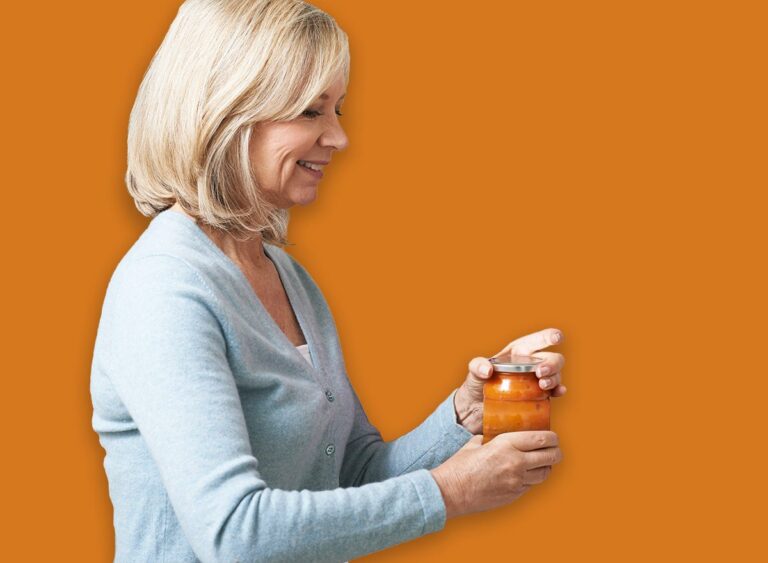
A stubborn jar you can’t quite twist open tells you something important about your body. The same goes for struggling to carry heavy bags or hold something awkward without grip slipping. After 65, maintaining hand and forearm strength changes how easily you manage everyday life.
Scientists use grip strength as a window into healthy aging and overall physical function. People with stronger hands tend to have better health outcomes in their later years. This doesn’t mean grip work alone adds years to your life, but declining hand strength is worth taking seriously—it often signals that your muscles elsewhere have also weakened and need attention.
The good news: your grip responds well to targeted training. Effective grip work combines two strategies. Some movements strengthen the forearms directly, while others challenge you to maintain pressure over time. Opening a jar isn’t about raw finger power; it requires sustained force across your entire hand.
Two Loaded Carries for Practical Strength
Carrying weighted objects develops the kind of grip that serves you outside the gym. Two approaches build this endurance.
The One-Handed Suitcase Carry
Hold a single dumbbell in one hand and maintain a firm grip throughout the movement. According to Eat This Not That, this exercise builds grip endurance while your core keeps your body stable under uneven load. It mirrors real situations: carrying groceries in one hand, a suitcase when traveling, or a bucket of water around your house.
Perform 2 to 3 carries lasting 20 to 40 seconds per side, with 30 to 45 seconds of rest between carries. The dumbbell should stay secure in your hand without causing you to lean. You can modify by using less weight, substituting a kettlebell, or adding a forward march during the carry. Let the weight guide you—pick something manageable and stop when your grip needs a break.
The Two-Handed Farmer’s Carry
This version works both hands at once under total load. Your grip must stay locked around the dumbbells as you tire, which trains the endurance you need for everyday two-handed carrying like laundry baskets, shopping bags, or work briefcases.
Perform 2 to 3 carries of 20 to 40 seconds, resting for 45 to 60 seconds between carries. Start with a weight you can manage and let your hands tell you when to set the dumbbells down. Options include reducing the weight, marching forward during the carry, or using kettlebells instead of dumbbells.
Targeted Exercises for Hand and Forearm Strength
Loaded carries build endurance; these movements strengthen the muscles that twist jar lids and close your hand.
Wrist Curls
Forearm strength provides the twisting power your hand needs for stubborn lids. Wrist curls isolate these muscles effectively without requiring heavy weight. The movement comes from your wrist, not your whole arm.
Do 2 to 3 sets of 10 to 15 reps per side, resting for 30 seconds between sets. Support your forearm while your wrist does the work. You can curl with both hands together, use lighter weight, or work with a resistance band. This simple movement translates directly to opening jars.
Stress Ball Squeezes
Stress ball training stands out for simplicity and accessibility. The muscles that close your hand get direct work while building endurance, and you need no gym setup. Keep one near your desk, chair, or couch and practice several times throughout the day while reading, watching television, or working.
Do 2 to 3 sets of 12 to 20 squeezes per hand, resting for 20 to 30 seconds between sets. Squeeze firmly without triggering pain in your fingers or wrist. Variations include longer holds, a softer ball for easier work, or a firmer ball for greater challenge. This is simple enough to practice multiple times daily.
Building a Grip Routine
Consistent practice builds grip strength without requiring long workouts. According to Eat This Not That, add a few sets to your existing strength work or do the simpler exercises on days when you’re not training. Stress ball work fits into your daily life without scheduling, while loaded carries and wrist curls work well as dedicated sessions one or twice weekly.
A sample approach: spend 10 to 15 minutes on loaded carries, add 5 minutes of wrist curls, and weave stress ball work into your day naturally. This hits your grip from multiple angles—building endurance with weight, strengthening the closing muscles, and practicing the squeeze needed for jar lids.
Source: Eat This Not That
Frequently Asked Questions
Why is grip strength important after 65?
Grip strength serves as a marker of overall physical function and healthy aging. Scientists use it to understand fitness because people with stronger grip tend to have better health outcomes. Declining hand strength can signal that muscles elsewhere have also weakened and need attention.
How often should I practice these grip exercises?
Grip responds well to consistent practice. You can add a few sets to your existing strength routine or practice on days when you're not doing other training. Stress ball work is simple enough to practice multiple times daily.
What equipment do I need?
Dumbbells or kettlebells work for the suitcase carry, farmer's carry, and wrist curls. A stress ball is optional but helpful for daily practice. Many variations exist for each exercise if you need alternatives.
