
Key takeaways
- Pei Wei tops the list for heat customization through a Sriracha sesame sauce enhanced with chili paste and chili flakes.
- Manchu Wok's breaded chicken and consistent quality have earned customer loyalty spanning decades with never a disappointment reported.
- Chin Chin uses dark meat chicken and premium positioning to deliver richer flavor and superior sauce adhesion than chains.
- Home Eat and P.F. Chang's offer contrasting philosophies: stripped-down essentials versus wok-tossed technique with house branding.
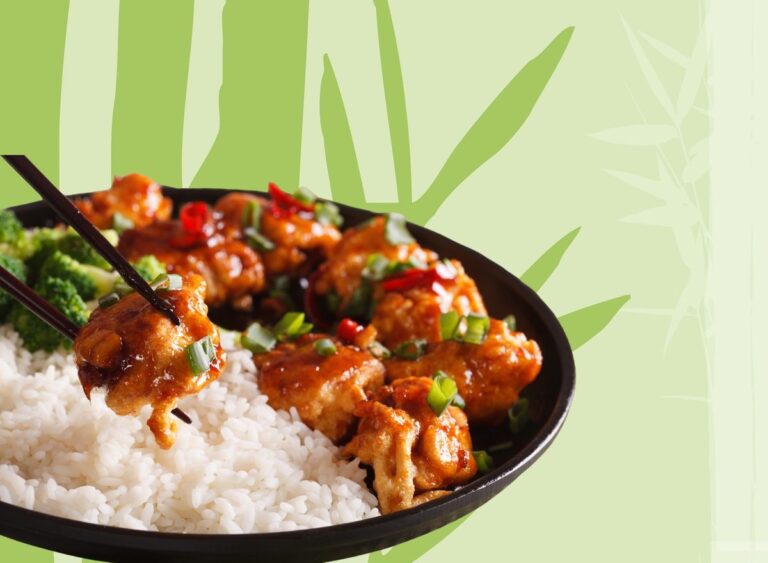
General Tso’s chicken occupies a unique position in American dining culture. This Chinese-American hybrid dish—featuring fried poultry enrobed in a bold sauce that blends spicy, sweet, and savory notes—has become a go-to order for millions of restaurant visitors nationwide. While countless casual dining establishments offer their own rendition, five major chains have earned particular distinction for how they execute this classic. Examining what diners actually prefer reveals meaningful differences in sauce composition, protein handling, and ingredient strategy across each location.
Pei Wei Asian Kitchen’s Sriracha-Forward Approach
Crispy Base with Layered Sauce
At Pei Wei Asian Kitchen, the Spicy General Tso’s Chicken arrives with crispy fried chicken as its foundation, paired with a sauce that builds heat through multiple components. The chicken gets tossed with a Sriracha sesame sauce, then enhanced further through chili paste and chili flakes. This multi-component approach introduces three distinct heat delivery systems—sriracha’s moderate burn, chili paste’s concentrated kick, and chili flakes’ textural heat.
The vegetable component balances this intensity. Garlic brings umami depth, while carrots and red bell peppers contribute natural sweetness. Scallions and bean sprouts add both textural variety and aromatic punch without introducing additional sweetness. The combination of these vegetables ensures that each bite delivers both sauce saturation and textural contrast.
Diner Feedback on Heat Level and Menu Exploration
One loyal Pei Wei customer emphasized the appeal of customization: “The food is always tasty, delicious, and as spicy as I want it to be… Spicy General Tso, Mongolian, Thai Dynamite and Kung Pao are my favorites. Do not skip the Dan Dan Noodles!!” This comment reveals that Pei Wei diners appreciate not just the General Tso’s specifically, but the broader menu’s ability to deliver heat calibration across multiple dishes. The customer’s mention of Dan Dan Noodles alongside the spicy chicken suggests that Pei Wei’s sauce philosophy extends across its entire menu, creating a cohesive identity around customizable heat.
Manchu Wok: The Consistency and Speed Advantage
Breaded Chicken with Aromatic Sauce Foundation
Manchu Wok builds its General Tso Chicken from breaded fried chicken—a distinct preparation choice that differentiates it from competitors using standard frying techniques. The breading adds an extra layer of texture and helps the sauce cling more effectively. The General Tso’s sauce balances garlic and sesame oil as its primary aromatics, creating depth without overwhelming complexity. Broccoli florets are distributed throughout, providing both visual appeal and subtle bitterness that offsets the sauce’s inherent sweetness.
Long-Term Customer Satisfaction and Reliability
What emerges from diner commentary is a pattern of sustained long-term satisfaction. One customer who has visited Manchu Wok repeatedly over years stated: “Have always had great food and experience here! Fresh hot and quick HIGHLY Recommend have been eat hear for years and never once have I been disappointed!” This sustained praise across time suggests that Manchu Wok’s execution avoids the quality variance that plagues many casual dining chains. The combination of speed, temperature, and freshness creates an experience that compensates for any lack of experimental sauce innovation. For customers prioritizing reliability over novelty, this consistency represents the core value proposition.
Home Eat: Stripping to Essentials
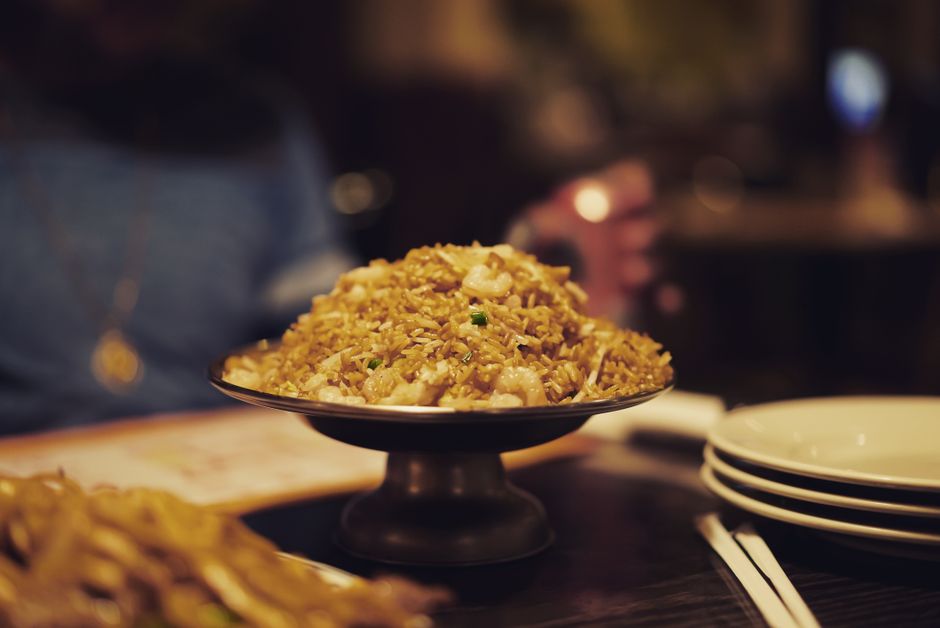
Home Eat’s General Tso’s Chicken takes a direct approach: fried chicken combined with chili peppers and broccoli. The minimalist strategy appeals to diners who want the core experience without additional complexity. A customer who paired the dish with sides reported: “The general tsos chicken was crispy and saucy. The combination fried rice was delicious and paired well with the chicken,” indicating that the sauce delivers adequate saturation without becoming heavy or overly intense.
This version succeeds through focus. By limiting vegetable variety and avoiding unnecessary sauce components, Home Eat makes a clear product promise. Diners know exactly what they’re ordering, and the mention of crispiness paired with sauciness suggests the chain maintains textural integrity—a challenge that some high-sauce applications struggle with. The comment about pairing well with fried rice further suggests that the heat level and sauce consistency work across multiple meal combinations.
Chin Chin: Premium Protein and Regional Excellence
Dark Meat Selection and Flavor Richness
Chin Chin operates at a different market tier, marketing itself as Los Angeles’s go-to destination for excellent Chinese food. This positioning influences ingredient choice fundamentally: the General Tso Chicken uses dark meat chicken rather than the white meat standard. Dark meat—primarily thighs—contains higher fat content and more connective tissue, creating richer flavor and superior sauce adhesion compared to breast meat. This protein choice alone elevates the dish’s depth profile.
The sauce at Chin Chin balances three flavor dimensions: spicy heat from chili peppers, sweetness likely from sugar or honey, and savory depth from soy and aromatics. Green onions provide both visual finish and sharp aromatic counterpoint to the sauce’s richness, preventing the dish from becoming cloying despite the sweet element.
Menu Coherence and Complementary Ordering
A diner describing a multi-dish experience noted: “Chin Chin is such a solid spot. My friend and I ordered the General Tso’s, Mongolian beef, peanut noodles, and the Garlic Chili Crisp Wontons, and everything was so delicious,” suggesting that Chin Chin’s General Tso’s functions as part of a cohesive menu rather than as a standalone draw. The variety of proteins, preparations, and heat levels indicates that customers feel confident ordering multiple items simultaneously without worry that dishes will clash or that the General Tso’s will dominate the table experience.
P.F. Chang’s: Wok Technique and Contemporary Positioning
P.F. Chang’s reframes General Tso’s chicken under its house name, Chang’s Spicy Chicken. This naming choice signals that the chain isn’t pursuing authenticity but rather offering a contemporary interpretation. The preparation relies on wok-tossing—a cooking technique that maintains constant motion and even heat distribution—combined with what P.F. Chang’s calls its signature sweet-spicy chili sauce. Green onions finish the dish.
The wok technique matters practically: constant movement prevents the sauce from settling unevenly and keeps the chicken from binding together into clumps during plating and service. One diner who ordered multiple items alongside the Chang’s Spicy Chicken stated: “Everything was very good!! I ordered the Chang’s Spicy Chicken with Fried Rice, the Crispy Honey Chicken with Brown Rice, and the Veggie Spring Rolls,” suggesting that the spicy chicken functions as part of a broader meal strategy rather than overshadowing other selections through heat intensity alone.
What Sets Each Version Apart
The five chains reveal distinct sauce philosophies and execution strategies. Pei Wei builds complexity through multiple heat sources and vegetable layers, prioritizing customization. Manchu Wok emphasizes consistency and speed without adventurousness. Home Eat strips unnecessary elements while maintaining sauce saturation and crispiness. Chin Chin uses premium protein selection and regional positioning to justify a higher price point. P.F. Chang’s employs technique-driven preparation and house branding to create distance from traditional formulas.
All five chains accomplish the fundamental task: delivering crispy fried chicken coated in a savory-sweet-spicy sauce with vegetables providing textural and flavor balance. The differences manifest in sauce composition, protein choice, heat intensity, and how each chain positions the dish within its broader menu identity and market positioning. For diners evaluating these options, the choice hinges on what aspects of General Tso’s chicken matter most to their individual priorities.
Frequently Asked Questions
What makes Pei Wei's General Tso's chicken different from other chains?
Pei Wei uses a layered sauce approach with Sriracha sesame sauce combined with chili paste and chili flakes, allowing diners to customize the heat level. The dish also includes fresh vegetables like carrots, bell peppers, scallions, and bean sprouts.
Why do diners consistently praise Manchu Wok's General Tso's chicken?
Customers emphasize the freshness, heat, and speed of service. One loyal diner reported visiting for years and never being disappointed, highlighting the chain's reliability and consistent quality across multiple visits.
How does Chin Chin's version differ from casual chain restaurants?
Chin Chin uses dark meat chicken instead of white meat, providing richer flavor and better sauce adhesion. The chain positions itself as a premium destination in Los Angeles, and diners report the General Tso's works well alongside other menu items like Mongolian beef and peanut noodles.
