
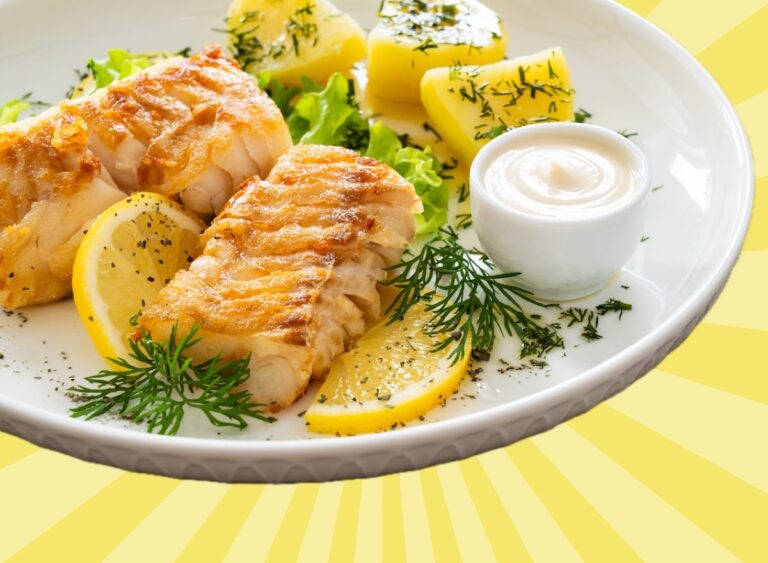
Gorton’s Beer Battered Fish Fillets contain 240 calories and just 6 grams of protein per two-fillet serving, revealing that most frozen beer-battered fish products are heavily breaded with refined flour and oil rather than delivering substantial fish nutrition. Home cooks nationwide rank five frozen beer-battered fish brands by taste, texture, and nutritional profile, with surprising findings about sodium content and cooking methods that determine whether fillets emerge crispy or gummy. Nutritionists warn that the carbohydrate load in these products—ranging from 24 to 27 grams per serving—often exceeds the breading-to-fish ratio that health-conscious shoppers expect.
Gorton’s Dominates Market Reviews Despite Unfavorable Macronutrient Ratios
Gorton’s Beer Battered Fish Fillets rank as the most widely reviewed brand among home cooks, yet the nutritional data reveals why restrictive-diet followers should approach this product cautiously. Two fillets weighing 103 grams deliver 240 calories, 14 grams of total fat (1 gram saturated), 27 grams of carbohydrates, and 6 grams of protein, creating a macronutrient profile dominated by the batter rather than the fish itself. The high fat and carbohydrate count relative to the minimal 6-gram protein content indicates the fillet is extensively breaded with oil and flour, a characteristic that defines the beer-battered frozen fish category.
Great Value Beer Battered Fish Fillets offer a lower-calorie alternative at 170 calories per two-portion (102-gram) serving, breaking down to 64 percent carbohydrates, 15 percent fat, and 21 percent protein. However, this budget option carries a critical drawback: 750 milligrams of sodium per serving, representing 33 percent of the daily value in a single meal and exceeding nutritionist recommendations that suggest aiming for about 500 milligrams or less at a meal. The zero grams of fiber confirms the breading uses refined wheat flour, eliminating any cardiovascular benefit and making Great Value a poor choice for heart health without significant dietary modifications.
Van de Kamp’s and Nutrient Benchmarks Define the Category Middle Ground
Van de Kamp’s Beer Battered Fillets sit in the middle of the calorie spectrum at 210 calories per two-fillet (108-gram) serving, with 12 grams of total fat representing 15 percent of the daily value. While Van de Kamp’s delivers slightly lower fat content than Gorton’s—12 grams versus 14 grams—the product maintains the high carbohydrate load typical of beer-battered style frozen fish, making it a comparable choice for shoppers prioritizing taste over macronutrient optimization. These three leading brands establish a pricing and calorie tier that home cooks use to benchmark frozen fish options against fresh or lightly breaded alternatives.
Nutritionists emphasize that carbohydrates serve as the primary indicator of breading versus actual fish content in frozen products. Products containing 7 to 17 grams of protein per 100 grams fall into the evaluation range, with lower protein scores indicating “mostly breading and oil.” Beer-battered fish essentially represents fish with a slice or two of white bread plus oil, making the protein-to-carbohydrate ratio the critical metric for distinguishing genuinely fish-forward products from breading-heavy options that happen to contain fish.
Cooking Method Failures and Texture Problems Plague Home Preparation
Customer reviews reveal that baking beer-battered fillets at 400 degrees Fahrenheit produces inconsistent results, with a crust that is “nice and crispy on the outside but doughy and gummy on the inside.” This common preparation failure stems from the thick batter trapping moisture during cooking, a problem that requires precise timing or alternative cooking methods to prevent undesirable texture outcomes. Home cooks report that traditional oven baking fails to deliver the crispy exterior and fully cooked interior that the product promises, forcing consumers to experiment with air frying or extended cooking times.
The gummy-interior problem reflects a fundamental challenge in frozen beer-battered fish design: the dense coating that provides flavor and texture appeal also insulates the fish from heat, creating a moisture trap that produces soggy results. Overcoming this issue requires either reducing baking time to minimize internal moisture accumulation—risking an undercooked center—or using convection methods like air frying that circulate heat more efficiently around the batter. Home cooks seeking consistent results often abandon traditional oven methods in favor of air fryers, which deliver the crispy-outside, fully-cooked-inside texture that frozen beer-battered fillets promise but rarely deliver through conventional baking.
Low-Carb Substitutions Redirect Health-Conscious Shoppers Away from Frozen Brands
Nutritionists and keto-diet followers increasingly substitute traditional beer-battered flour with almond flour and parmesan cheese, baking at 400 degrees Fahrenheit for 10 to 15 minutes to achieve Low-Carb, high-protein results. A typical keto-friendly recipe replaces the standard breading with one-half cup of super fine almond flour and three-quarter cup of parmesan cheese, creating a coating that delivers protein and healthy fats instead of the 24 to 27 grams of carbohydrates found in commercial frozen options. This substitution strategy eliminates the doughy texture issue while accommodating keto, Atkins, low-carb/high-fat, diabetic, and Banting diet protocols.
The migration toward homemade low-carb fish preparations signals that frozen beer-battered brands fail to meet the macronutrient requirements of restrictive-diet followers, pushing consumers toward fresh fish fillets and custom breading solutions. Home cooks following intermittent fasting or weight-loss protocols particularly benefit from the almond flour approach, which delivers satiety through protein and fat while eliminating the blood-sugar spike associated with refined wheat-flour breading. This trend reflects a broader consumer shift away from convenience-focused frozen products toward health-optimized Meal Preparation, even when it requires additional cooking effort.
Sustainable Sourcing and Omega-3 Transparency Expose Nutritional Misrepresentation
Experts recommend evaluating frozen fish products for Marine Stewardship Council (MSC) or Aquaculture Stewardship Council (ASC) certifications to ensure sustainable sourcing, noting that “omega-3 fat numbers on the label” are often misleading because they largely originate from canola oil in the batter rather than the fish itself. Wild-caught Alaskan Cod used in many frozen beer-battered fillets lacks the omega-3 benefits of fresh fish due to processing and the oil-heavy breading that replaces the fish’s natural nutritional profile. This sourcing concern addresses both environmental sustainability and the reality that frozen beer-battered fish delivers minimal functional nutrition despite claims about omega-3 content.
The disconnect between marketing claims and actual nutritional value creates a transparency crisis in the frozen fish category, where consumers believe they are purchasing a healthy protein source but receive a refined-carbohydrate product with incidental fish content. Labels highlighting omega-3 content mislead shoppers into perceiving beer-battered fillets as heart-healthy options, when the actual omega-3 contribution comes from canola oil rather than the fish, and the refined breading negates any cardiovascular benefit. Home cooks increasingly scrutinize ingredient lists and certifications rather than relying on nutrient claims, driving demand for frozen fish products with minimal breading, transparent sourcing, and macronutrient profiles aligned with health goals.
What Home Cooks Should Monitor When Selecting Frozen Beer-Battered Fish
Shoppers evaluating frozen beer-battered fish fillets should prioritize sodium content below 500 milligrams per serving, protein-to-carbohydrate ratios favoring protein, and MSC or ASC certifications indicating sustainable sourcing. The gap between Gorton’s (240 calories, 6 grams protein) and Great Value (170 calories, 21 percent protein) demonstrates that calorie reduction does not guarantee nutritional improvement, particularly when sodium escalates to 750 milligrams per serving. Home cooks following restrictive diets—keto, low-carb, intermittent fasting, or weight-loss protocols—consistently report superior results with homemade almond flour and parmesan cheese coatings, which eliminate the 24-to-27-gram carbohydrate load and doughy texture problems that plague frozen commercial options.
The frozen beer-battered fish category remains popular among convenience-focused home cooks, but nutritionist analysis and consumer experience reveal fundamental misalignments between product marketing and actual nutritional value. Whether selecting Gorton’s, Great Value, or Van de Kamp’s, shoppers must decode carbohydrate content as a breading indicator and sodium levels as a cardiovascular risk factor, while recognizing that fresh fish with minimal breading or homemade low-carb preparations deliver superior macronutrient profiles and consistent cooking results.
