
Key takeaways
- The five stretches target specific tight areas: hip flexors, glutes, back of hips, rotation, and inner thighs.
- Hold times range from 20 to 60 seconds per position, performed 4 to 6 nights per week for lasting results.
- Props like folded blankets and pillows adapt every stretch for comfort without reducing benefit for bodies over 60.
By evening, many adults notice their hips feel locked. The sensation typically starts when standing up from the couch—a few stiffness-filled seconds before movement becomes fluid again. This tightness centers around the pelvis and radiates through the surrounding muscle groups.
Most people reach for foam rolling, which delivers temporary relief. The real durability comes from stretching. A consistent nightly routine provides deeper, longer-lasting openness because stretching targets the hip flexors and rotators directly rather than applying pressure to muscle tissue and hoping for a rebound effect.
The key difference between evening stretching and daytime movement is pacing. Your body prepares for rest, and your nervous system benefits from the calm pace. This makes a nightly routine sustainable, especially for adults 60 and beyond who may not tolerate aggressive techniques well. The ritual—breathing slowly, holding positions without forcing—fits naturally into the transition toward sleep.
The Half-Kneeling Hip Flexor Stretch
Sitting and limited movement during the day leave the front of the hip feeling restricted. The half-kneeling position targets this exact area with an adjustment built into the technique itself.
The Technique and Positioning
Kneel on one knee, keep your torso vertical, and avoid tilting forward through the ribs. The stretch should open the front of the back hip without forcing the position into pain. Many people assume they need to sink deeper—they don’t. Gentle intensity works better. The form cue that matters most: stack your ribs directly over your hips. This alignment ensures the stretch stays in the front of the hip and doesn’t wander into compensatory patterns.
Hold Times and Variations
Hold the position for 20 to 40 seconds on each side, then repeat for a second round. If the floor bothers your knee or the stretch feels too direct, supported versions exist. A standing variation keeps you upright without kneeling. The couch stretch uses furniture as a prop. A supported half-kneeling option, often using a cushion, reduces impact while maintaining the same muscular opening.
The Pigeon and Figure-Four Approaches
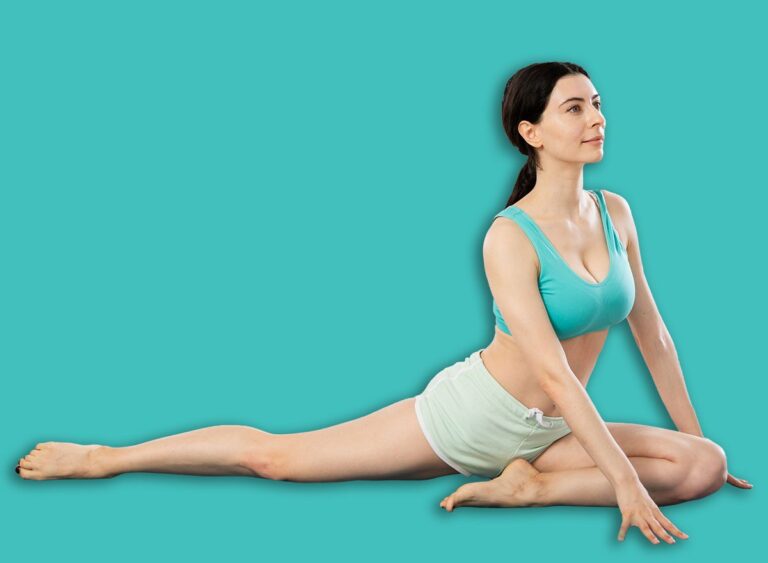
Pigeon arrives with a reputation for delivering fast results. People feel the effects immediately—through the glutes, the outer hip, and across the back of the pelvis. After a long day, when the back or side of the pelvis tightens, pigeon addresses exactly that zone.
The catch: pigeon on a hard floor can feel too sharp, especially for bodies sensitive to direct pressure. A pillow or folded blanket changes everything. A supported version often works better than attempting to sink into a position your hips actively resist. The goal isn’t maximum depth; it’s sustainable comfort.
Hold for 20 to 45 seconds per side and complete 1 to 2 rounds. If the stretch feels uneven or too acute, place support directly under your hip. This modification takes the edge off while preserving the benefit. The figure-four stretch provides an alternative pattern. Rather than kneeling, you lie on your back or sit upright. Both versions access the same muscle groups the pigeon targets. An elevated pigeon—using a bench or chair—offers another path for those who need height assistance. The seated figure-four works as a recovery option when you need less intensity.
The Forward Fold for Posterior Chain Release
The back of the hips and hamstrings accumulate tension throughout the day. A forward fold addresses this territory with simplicity—no equipment, no complicated positioning, just forward bending.
Technique for Comfort
The mistake most people make: trying to reach a particular position. You don’t need to touch your toes. Keep your knees soft, let your upper body hang without forcing, and focus on breathing through the stretch instead of chasing depth. The stretch should feel easy enough to breathe through consistently. Hold for 20 to 40 seconds and complete 1 to 2 rounds.
Variations for Different Needs
If your hamstrings feel guarded—a common state after 60—bend your knees more and allow tension to settle gradually. Variations include the seated forward fold, which offers more support and control, the supported forward fold, which uses props beneath the torso, and the wide-stance forward fold, which shifts weight distribution and sometimes feels gentler. The critical form tip: bend your knees as much as needed for comfort through the back of the legs. This isn’t about ego or achieving a posture that looks impressive. It’s about actually feeling the stretch where it belongs.
Hip Rotation Through Shin Boxes
Rotation gets overlooked until sitting on the floor becomes uncomfortable. Alternating shin boxes resurrect this pattern with slow, controlled movement. You alternate bringing each shin forward, creating a rotating motion through the hips.
Start by performing 6 to 10 slow repetitions per side. Keep your hands behind you if sitting tall feels difficult—they provide support without removing the benefit. Use a smaller range of motion until the transition from side to side feels smooth. This should feel controlled, not like you’re wrestling your hips into position. Variations include hands-supported versions (ideal when you need extra stability), seated hip switches (a smaller, gentler pattern), and reduced-range shin boxes (useful during the learning phase or on days when mobility feels more restricted).
The Butterfly Stretch as a Closing Movement
The butterfly stretch finishes the routine efficiently because the inner thighs relax without complicated setup. Sit on a folded blanket if your lower back rounds immediately—this adjustment prevents compensation and protects your spine. Bring your feet a little farther forward if the stretch feels too sharp in the hips.
Once you settle into a comfortable position, slow your breathing and allow your hips to relax. Hold for 30 to 60 seconds and complete 1 to 2 rounds. Supported variations exist for this movement too: sitting on a pillow (which elevates the hips and reduces intensity) and bringing feet farther forward (which adjusts the angle and softens the pull). The form cue: if your lower back rounds excessively, use a folded blanket beneath you. This single modification changes the entire feel of the stretch.
Frequency and Timing for Consistency
Use these five stretches 4 to 6 nights per week. This frequency builds habit without requiring daily commitment. Each stretch takes just a few minutes, making the routine realistic for adults with limited time or energy in the evening.
The best timing places your routine close to bedtime—right before sleep or as part of the winding-down ritual. Let it occupy the same mental space as brushing your teeth or setting out clothes for the next morning. This integration makes skipping the routine harder because you’ve linked it to an existing habit. Gentle holds, slow breathing, and consistent practice—even a few minutes repeated across weeks—loosen tight hips without aggression. You don’t need to push hard to create progress. The hips gradually feel less guarded as your body adapts to the routine. The calm pacing supports both physical release and mental preparation for sleep.
Frequently Asked Questions
How often should I do these hip stretches?
Perform these five stretches 4 to 6 nights per week, holding each position gently for the recommended time without forcing depth.
What should I do if a stretch feels too intense?
Use support like folded blankets or pillows to modify the intensity, and bend your knees or adjust positioning until the stretch feels comfortable and sustainable.
When is the best time to do this routine?
Do these stretches close to bedtime as part of your wind-down ritual, such as after brushing your teeth or setting out clothes for the next morning.
