
Key takeaways
- Standing exercises designed for core engagement produce significant fat loss in the abdominal region when performed consistently.
- Harvard Health experts emphasize that standing exercises alone cannot shrink belly fat without adequate protein intake to build and retain muscle mass.
- Adults over 55 can monitor their progress using waist circumference measurements, a reliable indicator of visceral fat accumulation.
- Replacing sugary drinks with water or unsweetened beverages eliminates a primary source of hidden calories that accelerate visceral fat accumulation.
A 15-week resistance training regimen can help adults over 55 counteract the abdominal fat redistribution associated with aging, according to peer-reviewed research published in ScienceDirect. Standing exercises that engage core muscles function as targeted resistance training, directly addressing the visceral fat that accumulates during and after menopause. Combined with strategic dietary adjustments, these movements deliver measurable belly fat reduction without requiring gym equipment or high-impact joint stress.
Targeted Exercise Delivers Spot Reduction in Trunk Fat
Standing exercises designed for core engagement produce significant fat loss in the abdominal region when performed consistently. After 10 weeks and 40 training sessions of abdominal aerobic endurance exercise, research published by the National Institutes of Health documented that trunk fat mass decreased by 697 grams—approximately 3 pounds—demonstrating that spot reduction in the belly region is achievable. This validates the effectiveness of standing movements like wood chops, knee lifts, and slow-motion running patterns that activate the core without requiring a gym membership.
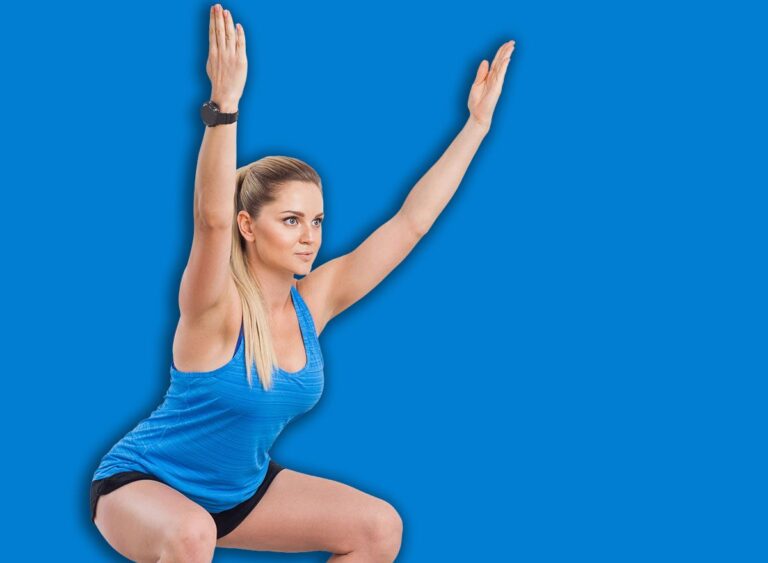
High-intensity interval training (HIIT) and circuit training produce the most significant belly fat loss when combined with moderate aerobic endurance work. Studies show that exercising at moderate intensity for at least 30 minutes a day, five days a week yields optimal results. For adults over 55, these standing exercises can be adapted to low-impact movements—such as boxing punches performed in a squat position or fast knee taps—to maximize calorie burn while protecting joint integrity.
Menopausal Belly Redistribution Requires Strategic Resistance Work
Women over 55 experience hormonal shifts that cause fat to redistribute toward the abdominal area, a phenomenon distinct from general weight gain. This visceral fat—the deep belly bulge located around internal organs—responds specifically to resistance training that engages the core muscles. The 15-week research protocol demonstrates that targeted resistance work directly counteracts this age-related fat redistribution, making standing exercises a precision tool rather than a general fitness approach.
Visceral fat is metabolically active and highly responsive to inflammatory foods and sedentary behavior, making it both the most problematic and the most reversible form of belly fat in aging populations. Adults over 55 who perform standing resistance exercises while maintaining a plant-based diet composition—focusing on fruits, vegetables, whole grains, lean proteins like fish, and healthy fats from nuts and vegetable oils—see accelerated results compared to exercise or diet alone.
Protein Intake and Caloric Management Are Non-Negotiable Companions to Exercise
Harvard Health experts emphasize that standing exercises alone cannot shrink belly fat without adequate protein intake to build and retain muscle mass. Dr. Olivia Apovian, a Harvard Health specialist in healthy aging, states that protein should comprise 40 percent of daily calories to fuel belly fat burning by building muscle mass. For a 180-pound adult, this translates to approximately 65 grams of protein per day, substantially higher than the standard recommended dietary allowance of 0.8 grams per kilogram of body weight.
Moderately active adults ages 50 and older require approximately 2,200 to 2,400 daily calories to maintain metabolic function and support muscle development. Eating significantly below this range without sufficient protein leads to further muscle loss, which slows metabolism and undermines the fat-burning benefits of standing exercises. This caloric window, paired with high protein intake and whole-food composition, creates the metabolic environment necessary for visceral fat reduction.
Waist Circumference Provides a Measurable Tracking Metric
Adults over 55 can monitor their progress using waist circumference measurements, a reliable indicator of visceral fat accumulation. For women, a waist size of 35 inches or more signals excess visceral fat; for men, the threshold is 40 inches. Ideally, waist measurement should not exceed one-half of height in inches, and the waist-to-hip ratio should remain below 0.85 for women and below 1.0 for men.
These measurements provide objective feedback independent of scale weight, which can be misleading when muscle mass increases alongside fat loss. Adults performing standing exercises while maintaining proper nutrition typically see measurable waist circumference reduction within 10 to 15 weeks, offering concrete evidence of visceral fat loss even if overall weight remains stable.
Dietary Substitutions Amplify Exercise Results Without Complexity
Replacing sugary drinks with water or unsweetened beverages eliminates a primary source of hidden calories that accelerate visceral fat accumulation. For adults over 55 with naturally lower metabolic rates, this single substitution—removing soda, sweetened coffee, and juice—creates a significant caloric deficit that compounds the fat-burning effects of standing exercises. Portion control through strategies like sharing meals or consuming half portions further optimizes the caloric intake necessary for belly fat reduction.
A plant-based diet composition emphasizing whole grains, lean proteins, and healthy monounsaturated and polyunsaturated fats directly reduces inflammation associated with visceral fat storage. Limiting processed meats and saturated fats—cheese, butter, and cured meats—prevents the inflammatory cascade that promotes abdominal fat accumulation during aging.
Historical Context: The Evolution of Age-Specific Fitness Science
For decades, fitness recommendations for adults over 55 emphasized low-intensity steady-state cardio and avoided resistance training due to perceived joint risk. Contemporary research has reversed this paradigm, demonstrating that targeted resistance exercises—including standing movements requiring no equipment—produce superior fat loss and metabolic benefits compared to traditional aerobic approaches. This shift reflects a broader scientific recognition that muscle preservation becomes increasingly critical for metabolic health after age 50.
The discovery that spot reduction in the trunk region is achievable through aerobic endurance exercise contradicted decades of fitness dogma stating that spot reduction was impossible. This validation emerged from rigorous, peer-reviewed protocols that tracked specific regional fat loss, fundamentally changing how fitness professionals approach belly fat reduction in aging populations.
What to Watch: Implementation and Results Timeline
Adults beginning a standing exercise regimen combined with high-protein, calorie-controlled nutrition should expect measurable waist circumference reduction within 10 to 15 weeks. Consistent performance of standing exercises at moderate intensity for 30 minutes daily, five days per week, paired with protein intake at 40 percent of daily calories and total daily intake in the 2,200 to 2,400 calorie range, creates the metabolic conditions for visceral fat loss. Tracking waist circumference biweekly provides objective progress metrics independent of scale weight.
The combination of targeted standing exercises, strategic protein intake, and inflammatory food elimination represents a precision approach to belly fat reduction for adults over 55. This evidence-based protocol addresses the specific physiological changes—muscle loss, hormonal shifts, and metabolic slowdown—that characterize aging, delivering measurable results without requiring gym memberships or high-impact movement patterns.
