
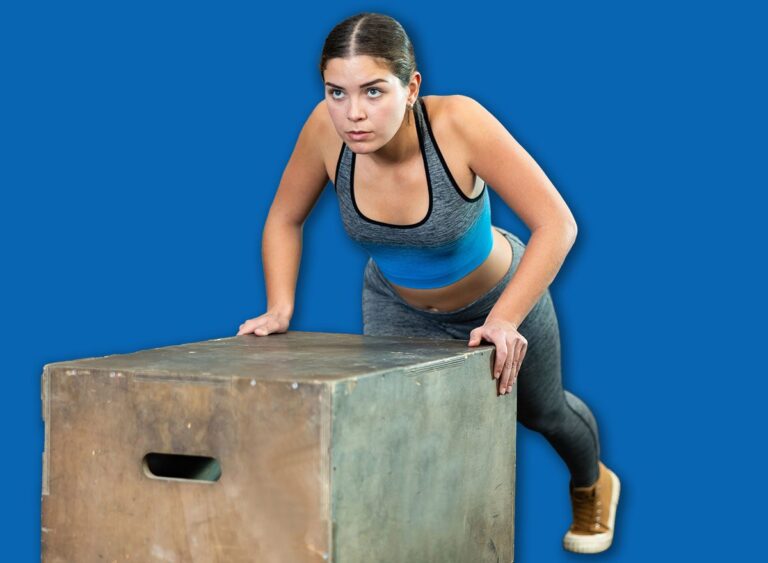
High-resistance, moderate-endurance exercises structured as circuit training deliver significantly faster abdominal fat loss than traditional gym sessions for women over 55, particularly when paired with specific dietary strategies that lower insulin levels and reduce visceral fat. Registered dietitian Cynthia Sass emphasizes that the ideal approach involves addressing overall lifestyle, including eating a balanced diet of whole, naturally fiber-rich foods, being regularly active, prioritizing sleep, not drinking excessively, and managing stress. The combination of targeted core movements—such as Standing Knee Drives, Dead Bugs, Glute Bridge Marches, Mountain Climbers, and Kettlebell Swings—becomes dramatically more effective when the body operates in a fat-burning state supported by low-glycemic nutrition.
Why Circuit-Based Core Work Outpaces Traditional Cardio for Post-Menopausal Women
Studies show that high-intensity interval training (HIIT) and circuit training lead to the most significant belly fat loss compared to long-duration, low-intensity cardio, making home-based exercise routines superior to extended gym sessions for women in this age group. The physiological advantage stems from how these movements target visceral fat—the dangerous abdominal fat stored around organs—rather than subcutaneous fat, which responds more slowly to traditional aerobic exercise. When performed in a structured circuit format over 30 minutes of moderate intensity, these exercises activate multiple muscle groups simultaneously, creating a metabolic demand that continues burning calories hours after the workout concludes.
For women over 55, this efficiency matters because natural muscle synthesis declines with age through a process called sarcopenia. Without adequate protein intake of 20–30 grams of high-quality protein (such as whey, eggs, or Greek yogurt) consumed within 45 minutes of core exercise, the “firming” effect of these movements diminishes significantly, as muscles cannot repair and grow denser. Women avoiding dairy can substitute 15 grams of pea protein powder mixed with water, which provides similar amino acid profiles, specifically leucine, for muscle repair. This targeted nutritional timing transforms the exercise from a simple calorie-burn into an actual muscle-building stimulus.
The Menopause Factor: Why Abdominal Fat Becomes Stubborn After 55
During menopause, estrogen levels drop dramatically, shifting fat storage patterns directly to the abdominal area—the “tummy roll” that becomes increasingly resistant to exercise alone. This hormonal shift makes traditional gym routines less effective because they fail to address the underlying metabolic changes specific to post-menopausal physiology. High-glycemic foods like white bread and sugary drinks spike insulin, which traps fat specifically in the abdominal region, directly counteracting the benefits of Mountain Climbers or Kettlebell Swings performed without dietary support.
Women over 55 should prioritize foods with a low glycemic index (GI below 55) and limit net carbohydrates to under 50 grams per day if aiming for rapid belly fat reduction. Low-glycemic foods prevent insulin spikes, allowing the body to burn stored abdominal fat more efficiently during the recommended 30-minute moderate-intensity workouts. Incorporating a 12–14-hour fasting window—such as no eating after 7 PM until 9 AM—helps lower insulin levels further and promotes ketosis, where the body burns stored fat for energy, making the “firming” exercises more effective at reducing the tummy roll.
Practical Nutrition Strategies That Amplify Exercise Results
Registered dietitians recommend a Meal Prep strategy specifically designed for women over 55: pre-portion 30 grams of lean protein (grilled chicken, tofu, or lentils) and 2 cups of cruciferous vegetables (broccoli, kale) into containers for the week. This ensures consistent intake of 25–30 grams of daily fiber and adequate protein, which are essential for reducing visceral fat and strengthening the core muscles targeted by Bicycle Crunches and Planks. Consistency eliminates the temptation to eat ultra-processed foods—chips, frozen meals, and sugary drinks—which are directly linked to increased belly fat retention.
Ultra-processed foods contain inflammatory compounds that worsen belly fat retention in post-menopausal women, making the body fight inflammation and insulin resistance simultaneously. By replacing sugary drinks with water infused with lemon or cucumber, women can reduce daily sugar intake by 30–50 grams, which directly impacts abdominal fat reduction. Inflammation from common allergens can also mimic or worsen the appearance of a tummy roll; women with gluten sensitivities should choose whole grains like quinoa or certified gluten-free oats, while those with dairy allergies should opt for almond milk or coconut yogurt to maintain the necessary fiber and protein without triggering inflammatory responses.
The Age-Old Problem of Sarcopenia and Modern Solutions
Muscle loss in women over 55 accelerates at approximately 3–8 percent per decade after age 30, creating a compounding challenge where traditional gym routines fail to reverse age-related decline without proper nutritional support. Home-based circuit training addresses this by combining resistance movements with the precise nutrient timing required to halt and reverse muscle loss in this demographic. The “faster than gym” advantage emerges because these routines eliminate commute time, reduce intimidation factors many older women experience in commercial gyms, and allow immediate post-workout protein consumption at home.
This represents a significant shift in how fitness professionals approach abdominal tightening for women over 55, moving away from the assumption that more time at the gym equals better results. Instead, the science validates shorter, more intense, strategically-timed workouts paired with controlled nutrition as superior to lengthy, low-intensity sessions. Women who implement this dual approach—targeted exercise plus glycemic-controlled, protein-rich nutrition—report visible abdominal tightening within 4–6 weeks, whereas gym-only routines in this age group typically require 12+ weeks for comparable results.
What Fitness Professionals Are Watching Moving Forward
Fitness experts increasingly recognize that post-menopausal women require fundamentally different exercise programming than younger demographics, with emerging research validating home-based HIIT circuits over traditional strength training for visceral fat loss. The integration of metabolic nutrition—particularly low-glycemic eating and strategic fasting windows—into exercise recommendations marks a departure from the outdated “calories in, calories out” model that failed this population for decades. Professionals now monitor adherence metrics showing that women over 55 maintain home-based circuits at significantly higher rates than gym memberships, amplifying long-term results.
As this evidence accumulates, nutrition and fitness become inseparable in programming for women over 55, shifting the entire industry away from siloed approaches where exercise and diet remain separate recommendations. The “faster than gym” claim gains credibility not from exercise alone, but from the synergistic effect of high-resistance circuits, strategic meal timing, controlled glycemic intake, and extended fasting windows working simultaneously to target the specific fat distribution and metabolic challenges of post-menopausal physiology. This integrated approach fundamentally changes expectations for what women over 55 can achieve in abdominal tightening, delivering visible results in months rather than years.