
Key takeaways
- Five classic cereals—Honey Nut Cheerios, Cap'n Crunch, Quisp, Frosted Flakes, and Count Chocula—retain exactly the same taste shoppers remember from childhood.
- Adult shoppers continue buying childhood cereals despite now understanding their sugar content, valuing the unchanged formula for its ability to recreate childhood memories.
- Some shoppers feel conflicted about cereals like Frosted Flakes, loving the taste but refusing to feed the same cereal to their children due to nutritional concerns.
- Cereals like Quisp gained renewed emotional significance when returning to grocery shelves years after discontinuation, allowing shoppers to rediscover lost childhood favorites.
The ritual of pouring milk into a bowl of cereal and settling in front of Saturday morning cartoons creates one of childhood’s most durable sensory memories. That combination of sweetness, texture, and comfort anchors itself to specific moments: the glow of a television screen, the gentle snap of cereal hitting milk, the specific taste of whatever childhood breakfast carbohydrate dominated the meal. For adults decades removed from those mornings, the cereal aisle represents a direct portal back to that time. Rather than chasing new products or health-focused alternatives, shoppers consistently select the exact same cereals they ate as children, trusting that the familiar formula will deliver the same experience they remember.
Honey Nut Cheerios: The Universal Favorite
Honey Nut Cheerios stands as perhaps the most universally cited childhood cereal among adult shoppers revisiting the cereal aisle. The combination of toasted oat rings with a honey and brown sugar coating creates a flavor profile distinct enough to be memorable yet mild enough to appeal across age groups and taste preferences. The cereal’s availability in nearly every grocery store and decades of consistent presence means that shoppers raised across multiple decades encountered the same product in their childhood.
When adult shoppers discuss Honey Nut Cheerios, they often describe it with the certainty of something fixed and unchanging. “I’ve recently discovered Honey OH’s and they are amazing,” one shopper explained, referencing a variation that maintains the core flavor of the original. Another provided a more direct assessment of the cereal’s impact: “Honey. Nut. Cheerios. Still my favorite to this day. When those things dropped it was a game changer.”
The “game changer” reference suggests that Honey Nut Cheerios represented a significant innovation in its era—a leap forward from plain Cheerios that made breakfast feel like a treat rather than a necessity. For those who grew up eating it, the formula remains unchanged enough that revisiting the cereal decades later triggers genuine memories of childhood mornings.
Why the exact formula matters
The persistence of Honey Nut Cheerios in grocery stores without significant reformulation means that adults can consume a product nearly identical to what they ate as children. Unlike many processed foods that undergo ingredient adjustments, cost-cutting measures, or packaging changes, Honey Nut Cheerios maintains remarkable consistency. This steadiness allows the cereal’s taste and texture to align precisely with childhood memories, rather than requiring adults to adjust their expectations to a reformulated version.
The honey sweetness—not artificial, but derived from actual honey—provides a specific flavor that generic brown sugar cannot replicate. The oat base itself requires precise toasting to achieve the right color and texture. These specific choices mean that someone eating Honey Nut Cheerios today experiences nearly the same product their younger self encountered, bridging decades with a single spoonful.
Cap’n Crunch: Beloved Despite Its Sharpness
Cap’n Crunch occupies an unusual position in the cereal landscape: widely acknowledged for its aggressive texture and mouth-shredding reputation, yet fiercely defended by its devotees. The cereal’s maritime branding, with its naval officer mascot and ship imagery, creates distinct visual memories for childhood consumers. More significantly, the specific sensation of eating Cap’n Crunch—the initial crunch, the gradual softening in milk, the sharp edges that scrape against the inside of the mouth—becomes inseparable from the memory itself.
Adult shoppers who grew up with Cap’n Crunch do not compare it to gentler alternatives or reformulated versions. They specifically seek the original formula, treating the cereal’s texture as a feature rather than a flaw. “Cap’n Crunch,” one shopper said simply. Another elaborated: “Yes, always my favorite.” A third made the distinction explicit: “The same one it is now—Cap’n Crunch. Normal Captain Crunch. Miss me with those crunch Berries.”
The “normal” specification matters: shoppers distinguish between the original Cap’n Crunch and variations like Crunch Berries, actively preferring the version they remember. This precision suggests that nostalgia operates at a granular level—it’s not the brand broadly, but the specific product in its specific form.
Texture as the memory anchor
Rather than being a barrier to nostalgia, Cap’n Crunch’s notorious sharpness may actually strengthen childhood associations. The sensory experience of eating the cereal—including the minor abrading of soft mouth tissue—becomes the defining characteristic of the memory. When someone tastes Cap’n Crunch as an adult, they’re not just tasting a flavor; they’re recreating a physical sensation from childhood that cannot be reproduced by any other cereal.
This suggests that nostalgia-driven cereal choices operate differently than rational, adult taste preferences. An adult might rationally prefer a gentler cereal. But the memory of Cap’n Crunch’s specific crunch—exactly as aggressive and unrefined as it was in childhood—becomes the entire point of the purchase.
Quisp: The Returned Favorite
Quisp presents a different nostalgia narrative: a cereal that disappeared from mainstream grocery shelves before its eventual return, allowing shoppers to rediscover a product they thought was gone forever. The re-release of Quisp some years after its discontinuation generated genuine excitement among adults who had consumed it in childhood, creating not just a taste memory but a narrative of loss and recovery.
One shopper’s account captures the intensity of Quisp’s rediscovery: “Hell yes! I loved Quisp. They brought it back a number of years ago when I worked for Target, someone missed a whole case of it in the stock room and it had been clearance out…bought the whole damn case… lol.”
This story illustrates several elements of cereal nostalgia beyond simple taste. The discovery of Quisp at a deep discount in a Target stockroom created an opportunity that felt both serendipitous and urgent. Buying an entire case represented a commitment to rediscovering the childhood cereal, an investment that reflected genuine attachment. The humor in recounting the story—”the whole damn case”—suggests that buying so much Quisp was unusual enough to be memorable, which in turn reinforces the specialness of the cereal itself.
Frosted Flakes: Nostalgia in Conflict with Adult Knowledge
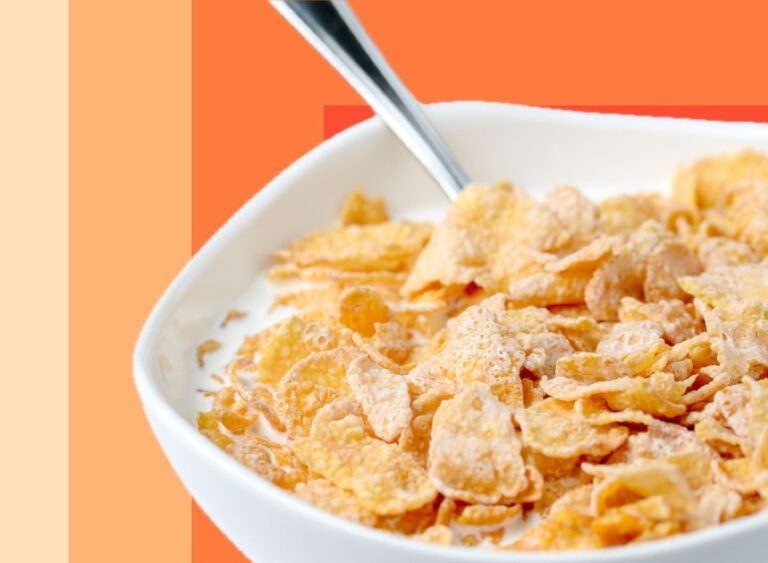
Frosted Flakes occupies a unique psychological position in cereal nostalgia: nearly universally beloved in childhood, yet frequently abandoned or regretted in adulthood due to sugar content awareness. The thick coating of crystallized sugar on each flake, combined with the additional sweetness that develops in the milk at the bottom of the bowl, created a flavor experience in childhood that adult shoppers remember with simultaneous affection and nutritional concern.
One shopper’s reflection on Frosted Flakes captured this complexity directly: “Frosted Flakes, they’re grrreat. And full of sugar. I ate boxes of it, but would never buy it for my kids or grandkids. I loved it though.”
This statement reveals the gap between childhood experience and adult understanding. The shopper’s childhood self found Frosted Flakes delicious enough to justify “boxes of it”—suggesting regular consumption. The adult self now possesses nutritional knowledge that prevents them from perpetuating the same pattern with the next generation. Yet the original taste memory persists, unchanged.
When nostalgia conflicts with modern nutrition knowledge
Shoppers who grew up eating Frosted Flakes often lacked contemporary understanding of refined sugar’s role in diets and metabolic health. Revisiting the cereal as an adult creates a moment of confrontation between childhood pleasure and adult responsibility. Many shoppers acknowledge that Frosted Flakes still tastes exactly as they remember, yet they actively choose not to introduce their children to the same cereal—not because the taste has changed, but because their perspective on nutrition has evolved.
This represents a deliberate breaking of a childhood pattern, where taste memory survives but choice changes. The cereal remains available, the formula unchanged, and the childhood experience theoretically replicable. Yet adult shoppers knowingly interrupt the cycle, preserving the memory while preventing its perpetuation.
Count Chocula: The Occasional Seasonal Return
Count Chocula maintains a distinctly different status than year-round staples like Cap’n Crunch or Honey Nut Cheerios. The chocolate-flavored corn puffs with their Halloween-adjacent mascot appeared seasonally or intermittently in childhood, creating a different type of nostalgia—one associated with scarcity and occasion rather than routine.
Shoppers reference Count Chocula alongside what they perceived as “healthier” alternatives, suggesting that childhood cereal choices often involved negotiation between personal preference and parental dietary concerns. “Count Chocula but it wasn’t always around, so the ‘healthier’ option was frosted mini wheats,” one shopper explained. Another responded: “Second this!!! Loooved Count Choc and then FMWs!!!”
The pattern of Count Chocula followed by Frosted Mini Wheats suggests a childhood pattern: the child preferred the chocolate cereal, the parent or household offered the marginally less sugary alternative as a compromise. Both cereals left clear memories, but Count Chocula retained special significance precisely because it was less available.
The Enduring Power of Unchanged Formulas
The consistency of these five cereals in adult nostalgic recollections reveals something essential about how food memory operates. Rather than seeking new products or updated versions of childhood favorites, adult shoppers actively return to formulas engineered and marketed to children decades ago. They openly acknowledge the sugar content, recognize the texture compromises compared to whole grains, and understand that these cereals represent heavily processed foods.
Yet they purchase them anyway, trusting that the unchanged formula will deliver the specific taste and texture they remember. The cereals remain profitable and available precisely because they have resisted the temptation to modernize or reformulate. The manufacturers of Honey Nut Cheerios, Cap’n Crunch, and others have recognized that their greatest asset is not innovation but continuity—the promise that the product tastes today exactly as it tasted in 1985 or 1992 or 2005.
For adult shoppers seeking genuine connection to their past, that unchanging formula represents something more valuable than nutritional improvement or contemporary food trends. It represents the only way to actually revisit childhood, one bowl at a time.
Frequently Asked Questions
Which cereals do shoppers most associate with childhood nostalgia?
Shoppers frequently mention Honey Nut Cheerios, Cap'n Crunch, Quisp, Frosted Flakes, and Count Chocula as cereals that taste exactly like their childhood memories.
Why do manufacturers keep these cereals' formulas unchanged despite modern nutrition trends?
The manufacturers' greatest asset is not innovation but continuity—the promise that the product tastes today exactly as it tasted decades ago, allowing adults to genuinely revisit childhood through unchanged formulas.
Do all childhood cereal favorites feel the same to adults as they did in childhood?
While the taste remains unchanged, some shoppers like the Frosted Flakes consumer acknowledge eating boxes of it as a child but choosing not to buy it for their own children due to increased nutritional awareness.
