
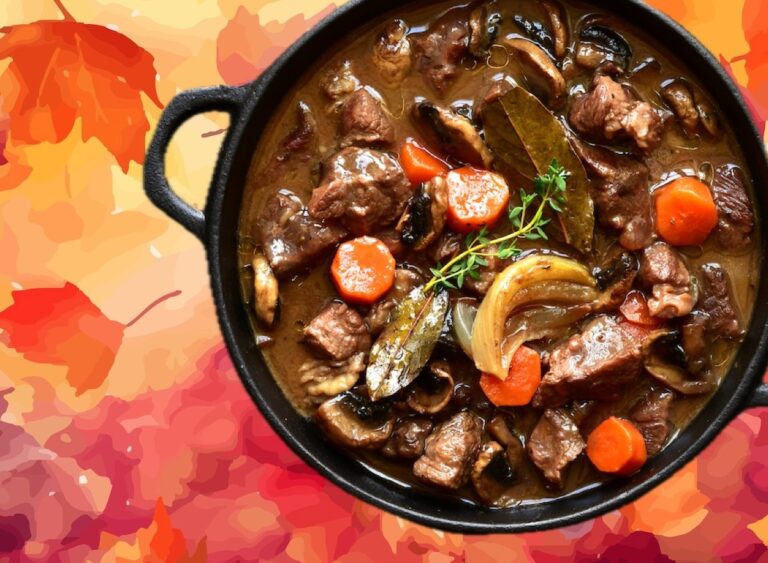
Key takeaways
- Beef chuck offers reliable results for most cooks, with fat and connective tissue that become fork-tender when slow-cooked.
- Beef shin's high collagen content breaks down slowly to create a silky, luxurious sauce impossible to achieve with leaner cuts.
- Short ribs deliver maximum richness through bone and fat, while lamb shoulder is the superior choice for lamb stew over leg.
- Pre-packaged diced beef from supermarket shelves is typically too lean and will cook up dry, making cut selection more important than the recipe itself.
The mistake most shoppers make when buying meat for fall stew happens before any cooking begins. Jorge Thomas, a chef and butcher who founded Swaledale Butchers, warns that the shopping aisle is where most stew failures start. “The mistake is usually made in the shop, not at the stove,” Thomas explains. Those pre-packaged containers of diced beef look convenient, promising a quick path to dinner, but their uniformity hides a fundamental problem: they’re often too lean. Lean meat cooks up dry, leaving your stew chalky instead of rich. What separates a genuinely satisfying fall stew from a disappointing one is understanding what qualities to seek in your meat choice.
The foundation of great stew meat isn’t appearance—it’s composition. You need fat, collagen, and a cut that comes from a muscle that has worked. Thomas puts this plainly: “Those neat little packs of diced beef look convenient, but they’re often too lean and they cook up dry. For stew you want fat, collagen and a cut that has done some work.” This single principle shapes which cuts become silky and which turn stringy. Even the most carefully followed recipe cannot compensate for starting with the wrong piece of meat. Your finished dish depends almost entirely on what you select at the butcher counter.
Beef Chuck: The Reliable All-Purpose Cut
When shoppers ask butchers for a single recommendation, beef chuck emerges as the answer. This cut comes from the shoulder and upper chest of the animal, a region where muscle and fat exist in a balance that rewards slow cooking. The marbling—those visible lines of fat running through the meat—stays intact during hours of simmering. The connective tissue gradually dissolves, transforming into gelatin that enriches the broth. “Beef chuck is where I’d send most people,” Thomas says. “It has fat, flavor and enough structure for a long cook.”
Why chuck wins for most cooks
Chuck delivers on multiple fronts. It arrives at a reasonable price point, making it practical for feeding a crowd or stretching a budget. The cut is forgiving: even if your heat runs hot or you forget to stir, chuck is unlikely to dry out the way a leaner cut would. Home cooks new to stew-making often find success with chuck on their first attempt, and experienced cooks return to it because it simply works.
Beef Shin: For Those Willing to Wait
Beef shin represents the next level of commitment. This cut comes from the lower leg, where the animal’s weight rests during movement. That constant work creates a cut that is almost entirely different from chuck: it’s leaner, tougher, and packed so densely with collagen that it can seem unpromising on first sight. Raw beef shin looks more like bone wrapped in sinew than the marbled chuck most home cooks expect. But Thomas champions this cut for stew-makers with patience. “Beef shin is even better if you’re patient, because all that collagen breaks down slowly and gives the sauce body,” he says. “Lean beef will never do that in the same way.”
How collagen transforms your stew
The collagen in shin is what separates a good stew from an exceptional one. As shin simmers for hours, the collagen breaks down into gelatin. This gelatin doesn’t simply float in the liquid; it thickens the broth, coating your palate with a silky texture that feels luxurious. You cannot replicate this effect with leaner meat, no matter how long you cook it. The result is a sauce that clings to the vegetables and meat, creating a unified, deeply flavorful dish rather than a broth with separate components.

Short Ribs: The Luxury Option
Short ribs bring a different philosophy to the stew pot. Where chuck and shin are primarily meat and connective tissue, short ribs arrive as a complete system: bone, fat, and well-marbled meat all together. The bone contributes its own richness as it cooks, infusing the broth with mineral and savory notes. The fat cap on the exterior melts into the liquid, creating depth that neither chuck nor shin can achieve alone. Thomas describes the benefit clearly: “Short ribs are good if you want something richer, because you’ve got bone and fat helping the pot along.”
When to choose short ribs over other cuts
Short ribs suit occasions when stew is the main event rather than a practical weeknight dinner. They cost more, require more trimming at home, and take time to cook properly—often the same duration as shin. The payoff is exceptional richness and a broth that feels almost luxurious. If you’re cooking for guests or want to elevate a casual meal, short ribs deliver that sense of occasion.
Lamb Shoulder: The Best Cut for Lamb Stew
Lamb stew operates by different rules than beef stew, and the cuts that excel are different too. For lamb, the shoulder is the butcher’s recommendation. This cut comes from the front leg and shoulder joint, a region with substantial fat content and deep, distinctive flavor. Lamb shoulder’s fat keeps the meat moist even during extended cooking, while its flavor stands up to strong seasonings that would overwhelm beef. “Lamb shoulder is the one I’d use for lamb stew, rather than leg,” Thomas says. “The shoulder has fat and flavor. Garlic, rosemary, beans, wine, root vegetables, it can go in a lot of directions.”
Why shoulder outperforms leg in lamb stew
Lamb leg is leaner and more tender, making it ideal for roasting—but those same qualities work against it in stew. The low fat content leaves the meat dry after hours of cooking. The shoulder’s higher fat percentage keeps the meat supple and provides the richness that slow-cooked lamb should deliver. The flavor of shoulder also stands stronger alongside the herbs, wine, and vegetables that traditionally accompany lamb stew.
Choosing Your Cut at the Butcher Counter
Now that you understand the options, selecting the right meat becomes straightforward. Ask your butcher for advice rather than grabbing pre-cut packages. A good butcher can explain the differences and even trim the meat to your preference. Specify whether you want large chunks or smaller pieces, and whether you prefer the bone left in (it adds flavor) or removed. When Thomas emphasizes that “the mistake is usually made in the shop, not at the stove,” he’s pointing toward this moment of selection as the true foundation of your fall stew.
The choice between chuck, shin, short ribs, or lamb shoulder ultimately depends on your schedule, budget, and how adventurous you want to be. Chuck offers reliability at a fair price. Shin demands patience but rewards it with an exceptional sauce. Short ribs deliver luxury. Lamb shoulder creates the platform for bold seasonings. Any of these cuts will make a superior stew compared to the pre-diced packages on supermarket shelves.
Frequently Asked Questions
What's wrong with buying pre-cut diced beef for stew?
Pre-cut diced beef is usually too lean and cooks up dry. Chef Jorge Thomas emphasizes that "the mistake is usually made in the shop, not at the stove," and good stew requires fat, collagen, and a cut that has done some work.
Why is beef shin considered superior for stew even though it looks less appealing?
Beef shin is packed with collagen that breaks down slowly during cooking to create a silky, full-bodied sauce. As Thomas explains, "Lean beef will never do that in the same way" because the collagen gives the sauce its body and luxurious texture.
Is lamb leg a good substitute for lamb shoulder in stew?
No. Lamb shoulder is the recommended cut because it has more fat and flavor than leg. While leg is leaner and more tender, making it better for roasting, the shoulder's higher fat content keeps the meat moist during long cooking and pairs better with herbs, wine, and root vegetables.
