
Key takeaways
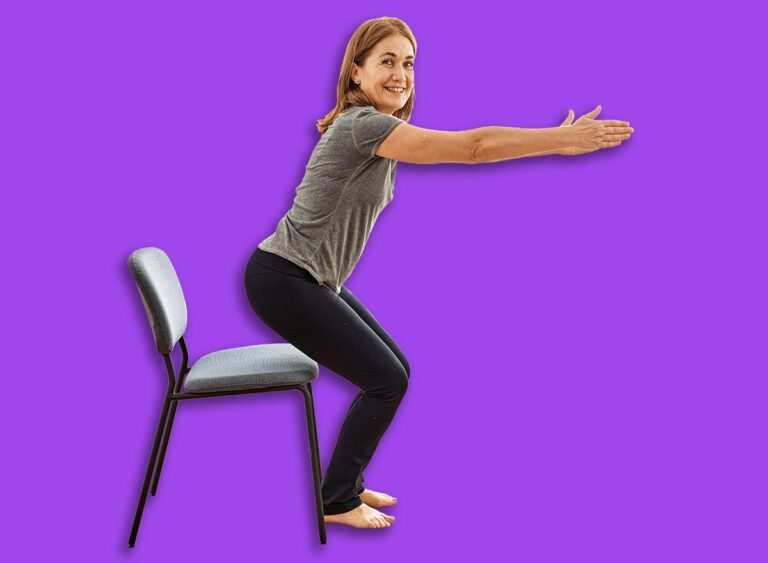
- The sit-to-stand exercise, commonly called a chair stand, mimics the exact motion required to rise from a seated position during daily activities like getting out of bed or leaving a dining table.
- Beyond chair stands, four additional seated exercises address the complete chain of muscles required for confident, efficient walking.
- Peer-reviewed research on chair-based exercise programs confirms that seated workouts enhance multiple dimensions of physical function beyond leg strength alone.
- Specialists recommend combining seated marches (10 repetitions per side), 5 to 10 chair stands, and 15 heel raises into a single 10-minute routine that seniors can perform daily without fatigue or recovery time.
Seniors performing chair stands three times per week improved leg strength by 89 percent—more than double the gains from walking alone—according to recent research on seated strength training for older adults. Chair-based exercises activate the muscles required for walking while eliminating the joint strain and fall risk associated with standing workouts at commercial gyms. This discovery has reshaped how physical therapists and geriatric specialists approach mobility restoration for adults over 60.
Chair Stands Deliver Superior Leg Strength Gains in Shorter Time
The sit-to-stand exercise, commonly called a chair stand, mimics the exact motion required to rise from a seated position during daily activities like getting out of bed or leaving a dining table. When performed correctly—lifting the body upright from a seated position without using the hands for assistance—this single movement strengthens the hips, quadriceps, and glutes simultaneously. Seniors who perform 2 to 3 sets of 10 to 15 repetitions, three times weekly, build functional strength that directly translates to improved walking endurance and stability.
The 89 percent leg strength improvement documented in chair stand studies far exceeds the results achieved through walking alone, which remains the default recommendation for most older adults seeking to maintain mobility. This efficiency matters because seniors with limited time, arthritis, or cardiovascular concerns can achieve measurable strength gains in just 10 minutes per session. The chair stand requires no equipment, no gym membership, and no risk of falling during the exercise itself—a critical advantage for adults recovering from injury or managing balance disorders.
Five Specific Seated Movements Target All Walking-Related Muscle Groups
Beyond chair stands, four additional seated exercises address the complete chain of muscles required for confident, efficient walking. Seated leg extensions—performed by straightening one leg fully while seated, holding for 1 to 2 seconds, and squeezing the thigh muscle—isolate the quadriceps without placing stress on the knees. This exercise proves invaluable for seniors with arthritis who cannot tolerate standing squats or lunges, yet need to rebuild the thigh strength that prevents falls and supports uphill walking.
Heel raises performed while seated activate the calf muscles and improve the “push-off” phase of walking, where the foot propels the body forward with each step. Seniors who perform 2 to 3 sets of 15 to 20 heel raises develop the ankle stability and propulsive power that distinguishes confident walkers from those who shuffle or move slowly. Seated marches—alternating knee lifts performed for 10 to 15 repetitions per side—strengthen the hip flexors, muscles that often weaken significantly in sedentary adults over 60 and directly impact walking rhythm and stride length. Together, these five exercises address the quadriceps, glutes, hip flexors, calves, and stabilizer muscles in a single 10-minute routine that requires only a sturdy chair.
Chair-Based Training Improves Balance, Gait Speed, and Grip Strength Simultaneously
Peer-reviewed research on chair-based exercise programs confirms that seated workouts enhance multiple dimensions of physical function beyond leg strength alone. Seniors who participate in structured chair exercise routines demonstrate measurable improvements in balance, walking speed, and grip strength—three critical markers of independence and fall prevention in adults over 60. These gains accumulate because seated exercises engage core stabilizers, upper-body muscles, and proprioceptive pathways that contribute to overall functional fitness.
The safety profile of chair-based training explains its growing adoption in cardiac rehabilitation programs, assisted living facilities, and physical therapy clinics. The British Heart Foundation endorses 10 specific seated exercises—including neck stretches, leg circles, and chest openers—for cardiac rehab patients over 60, demonstrating that seniors with heart conditions can rebuild walking strength without straining their cardiovascular systems. This inclusive approach means adults with multiple chronic conditions can participate in strength training that would be unsafe or impossible at a traditional gym.
Daily 10-Minute Routines Prove More Sustainable Than Weekly Gym Sessions
Specialists recommend combining seated marches (10 repetitions per side), 5 to 10 chair stands, and 15 heel raises into a single 10-minute routine that seniors can perform daily without fatigue or recovery time. This short duration removes the primary barrier to exercise adherence in older adults—the time commitment and travel required to reach a gym. A senior who performs this routine every morning before breakfast builds cumulative strength gains that exceed the results of attending a gym twice weekly, while eliminating the risk of injury during transportation to and from the facility.
The sustainability of daily chair exercise contrasts sharply with the dropout rates observed in gym-based programs for seniors. Adults over 60 who attempt to maintain gym memberships often cite transportation challenges, intimidation from younger gym members, and difficulty with complex equipment as reasons for abandonment. Chair exercises eliminate these barriers entirely, making daily participation realistic for homebound seniors, those with limited mobility, and adults managing multiple health conditions.
Walking Strength Recovery Accelerates When Chair Training Precedes Outdoor Activity
Physical therapists increasingly recommend chair-based strength training as a prerequisite to outdoor walking programs, rather than as a substitute for walking. Seniors who build leg strength, balance, and confidence through seated exercises demonstrate faster progress when they transition to walking on flat surfaces, inclines, and uneven terrain. This sequencing approach—strength first, endurance second—reverses the traditional model where seniors attempt walking before their muscles possess adequate strength to prevent falls.
The evidence supporting chair exercises as a faster pathway to restored walking strength has influenced clinical practice guidelines and home-care recommendations for adults recovering from surgery, stroke, or prolonged illness. A 60-year-old who spends four weeks performing daily chair exercises will regain walking ability faster and with greater confidence than a peer who begins walking immediately without foundational strength training. This finding has particular significance for seniors transitioning from hospitalization or rehabilitation facilities, where chair-based programs can bridge the gap between medical recovery and independent community mobility.
Accessibility and Adherence Make Seated Training the Preferred Starting Point for Mobility Restoration
The superiority of chair exercises in rebuilding walking strength stems partly from their accessibility and partly from the high adherence rates they produce in older adults. A senior living in a rural area with no nearby gym, limited transportation, or physical limitations that make standing exercise unsafe can begin strength training immediately using furniture already present in the home. This democratization of strength training removes socioeconomic and geographic barriers that have historically prevented older adults from accessing effective mobility programs.
As research continues to document the 89 percent strength gains and functional improvements associated with chair-based training, more seniors over 60 will discover that rebuilding walking strength does not require a gym membership, special equipment, or a long commute. The evidence is clear: five simple seated exercises, performed daily for 10 minutes, restore the leg strength, balance, and confidence required for independent walking faster and more safely than traditional gym-based approaches. This shift in practice represents a fundamental change in how society approaches mobility restoration in older adults.
