
Key takeaways
- Marshall Weber advocates building strength through progressive resistance over time, not pursuing rapid aesthetic changes for adults over 65.
- Visible improvements depend on individual factors including genetics, nutrition discipline, and training consistency, rather than a fixed timeline.
- Combining strength training with adequate protein intake and regular exercise produces better results than training alone.
- Meaningful changes emerge over months of consistent work, not the 21 days referenced in some fitness articles.
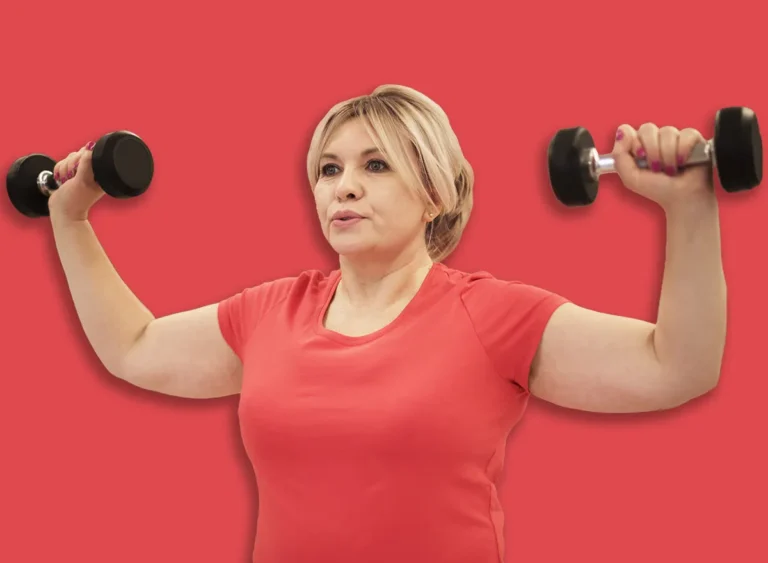
Bra bulge, the excess skin and tissue spilling over bra straps at the upper back, affects many women over 65 and often causes self-consciousness in fitted clothing. According to Eat This Not That, this issue stems from two sources: poorly fitting undergarments or shifts in body composition. While buying a better-fitting bra can help reduce the appearance, lasting improvement for many women requires addressing the underlying cause: weakened muscles in the upper back and armpit area.
Understanding What Causes Bra Bulge
Bra bulge develops when muscles in the upper back lose tone and surrounding tissue loses firmness, often combined with skin laxity that comes with age. A bra that’s too tight or positioned incorrectly can exacerbate the problem, but for many women over 65, the primary issue is body composition. According to Eat This Not That, recognizing whether the problem is fit-related or composition-related determines which solution, or combination of solutions, will work.
Training Philosophy for Adults Over 65
Marshall Weber, a certified personal trainer and founder of Functional Idaho Gym with expertise in Exercise Science and Psychology, recommends a strength-based approach rather than quick-fix methods. According to Eat This Not That, Weber advises adults over 65 to focus on developing strength and progressively increasing resistance over time, rather than expecting rapid aesthetic changes. This philosophy prioritizes building sustainable muscle rather than chasing short-term results.
Progressive Resistance Matters More Than Speed
Weber emphasizes gradually increasing the weight or resistance used in exercises. For older adults, progressive overload, slowly adding more demands, builds stronger muscles while allowing the body to adapt safely. Working with the same weight indefinitely produces plateaus; increasing resistance over weeks and months continues to build strength.
Results Depend on Individual Factors
According to Eat This Not That’s consultation with Weber, how much visible change occurs varies significantly. Weber notes that results depend on the person, their preference, and how disciplined they are with nutrition and training. Two people following the same program may see different outcomes based on genetics, starting point, and lifestyle factors beyond the exercises themselves.
The Role of Nutrition and Training Consistency
Nutrition Directly Impacts Results
Exercise alone doesn’t produce the visible improvements many women seek. Adults over 65 who combine strength training with adequate protein intake and balanced nutrition see better results than those who rely on exercise without nutritional support.
Training Frequency Creates Visible Change
Consistency matters; sporadic workouts produce minimal change, while regular training several times weekly creates measurable improvements. Weber’s guidance emphasizes that discipline with both training and food directly impacts how much change becomes visible.
Target Muscle Groups and Functional Benefits
Exercises targeting the upper back and armpit muscles serve dual purposes: improving appearance and enhancing functional capacity. Strengthening these muscles improves posture, reduces sagging skin appearance, and builds ability for daily activities like reaching, lifting, and carrying. For many adults over 65, the functional improvements, being able to reach high shelves, lift grandchildren, or carry groceries, matter as much as aesthetic changes.
Realistic Timeline for Visible Change
Eat This Not That’s article references 21 days, but Marshall Weber cautions against expecting dramatic results within three weeks. For adults over 65, meaningful visible changes emerge over months of consistent training, not weeks. Building sustainable strength takes patience, and the discipline required to achieve lasting results comes from understanding that the timeline is measured in months, not days.
Source: Eat This Not That
Frequently Asked Questions
Can a well-fitting bra eliminate bra bulge?
A properly fitting bra reduces the bulging appearance, but if body composition is the underlying problem, a better bra alone won't create lasting improvement. According to Eat This Not That, addressing both fit and composition typically produces the best results.
How long does it take to see results from strength training?
Results vary based on individual factors including genetics, nutrition consistency, and training discipline. Marshall Weber emphasizes that timeline is individual rather than universal, with some women noticing improvements over several months depending on their specific circumstances.
Is strength training without proper nutrition effective?
No. According to Eat This Not That's consultation with Marshall Weber, results depend partly on how disciplined your nutrition and training are. Exercise without nutritional support produces less visible change than exercise paired with adequate protein intake and balanced eating.
