
Key takeaways
- The cheese-filled crust innovation adds approximately 40 extra calories per slice compared to a standard hand-tossed crust, pushing individual slices well into the 300+ calorie range.
- Pizza Hut maintains permanent, consistent stuffed crust availability as the originator of the category, while Papa John’s offers Epic Stuffed Crust as the only other major chain with reliable year-round access.
- Thin crust alternatives deliver measurable calorie savings of 50 to 75 calories per slice compared to stuffed crust options, with corresponding reductions in saturated fat and sodium.
- Pizza Hut introduced stuffed crust pizza in 1995, creating a product category that fundamentally altered consumer expectations for pizza crust innovation across the industry.
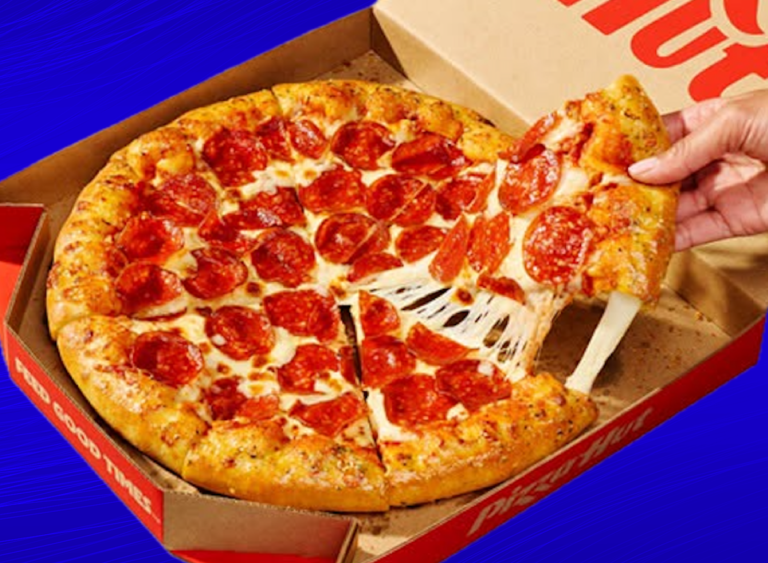
A single slice of stuffed crust pizza from Pizza Hut delivers 321 calories with a macronutrient split of 44% carbohydrates, 38% fat, and 18% protein, making the cheese-filled crust a significantly denser option than standard hand-tossed alternatives. Pizza Hut invented the stuffed crust category in 1995 and remains the only major chain offering it as a permanent menu fixture, though Papa John’s Epic Stuffed Crust has emerged as a formidable competitor. Customer reviews and nutritional data reveal stark differences in caloric load, sodium content, and macronutrient profiles across the top-ranked stuffed crust offerings.
Caloric Density and the Stuffed Crust Premium
The cheese-filled crust innovation adds approximately 40 extra calories per slice compared to a standard hand-tossed crust, pushing individual slices well into the 300+ calorie range. Pizza Hut’s 14-inch large stuffed crust cheese pizza contains 2,740 total calories across eight slices, meaning a whole pizza represents a significant caloric commitment. This density matters particularly for consumers tracking daily intake, as a single large stuffed crust pizza approaches or exceeds the entire daily caloric allowance for many weight-loss and maintenance diets.
The pepperoni-topped variant delivers 331 calories per slice with 33 grams of total carbohydrates and 31.3 grams of net carbs, along with 15.8 grams of fat. For individuals following ketogenic or strict Low-Carb protocols, these figures confirm that stuffed crust pizza remains incompatible with macronutrient targets without significant modification. The carbohydrate-heavy dough and cheese-filled crust combination creates a product fundamentally misaligned with carb-restricted eating strategies.
Sodium and Saturated Fat: Health Trade-offs
Papa John’s Epic Stuffed Crust Pepperoni, Sausage, and Six Cheese Pizza represents an extreme case in nutritional density, delivering 55% of the daily recommended maximum for saturated fat and 53% for sodium in a single slice. This concentration of sodium—19 grams per slice against a recommended daily maximum of 6 grams for adults—makes the product problematic for anyone managing hypertension or following sodium-restricted protocols. Pizza Hut’s large stuffed crust contains 64 grams of saturated fat and 8.5 grams of salt across the entire pizza, figures that exceed recommended daily limits in one meal.
Nutritionist Lauren Manaker explicitly recommends choosing thin crust over deep dish or stuffed crust options, with an additional strategy of requesting half the usual amount of cheese to reduce both saturated fat and sodium exposure. Manaker notes that replacing processed meats like pepperoni with vegetable toppings such as spinach, peppers, and mushrooms delivers the most effective nutritional improvement for pizza meals. Ruth Tongue, a UK-based nutritionist, characterizes Pizza Hut’s large stuffed crust pizza as an item that should be “enjoyed only occasionally” due to the massive saturated fat hit that far exceeds healthy daily limits in a single serving.
Chain Availability and Customer Preferences
Pizza Hut maintains permanent, consistent stuffed crust availability as the originator of the category, while Papa John’s offers Epic Stuffed Crust as the only other major chain with reliable year-round access. Domino’s and Little Caesars typically offer stuffed crust only as limited-time promotions, making them inconsistent options for customers seeking the product on demand. Domino’s earned recognition as the “champion” in specific taste comparisons, though its sporadic availability limits its ranking among reliably accessible options.
Customer reviews consistently rank Pizza Hut’s original stuffed crust and Papa John’s Epic Stuffed Crust as the top two performers in terms of crust texture, cheese distribution, and overall satisfaction. The distinction between permanent and limited-time offerings shapes purchasing decisions for regular consumers, as the reliability of Pizza Hut’s offering provides a stable baseline for comparison against competitors’ seasonal or promotional versions. Sbarro and frozen alternatives like Red Baron provide additional options for consumers seeking stuffed crust products outside traditional delivery chains, though these occupy secondary positions in customer preference rankings.
Nutritional Strategy for Pizza Enjoyment
Thin crust alternatives deliver measurable calorie savings of 50 to 75 calories per slice compared to stuffed crust options, with corresponding reductions in saturated fat and sodium. Pizza Hut’s Thin ‘N Crispy Veggie Lover contains only 100 calories per slice, representing a 200-calorie differential compared to the 300+ calorie range of stuffed crust varieties. This practical substitution allows consumers to maintain the pizza chain experience while achieving meaningful caloric reduction without requiring complete dietary abandonment.
A heart-healthy homemade stuffed crust alternative substitutes low-fat mozzarella string cheese for standard cheese and uses no-sodium-added tomato sauce paired with bell peppers, spinach, mushrooms, and onions. The preparation method involves folding the dough one inch from the edge to seal the cheese filling, with baking for 18 to 20 minutes at standard pizza temperatures. This approach replicates the textural appeal of stuffed crust while substantially reducing saturated fat, sodium, and overall caloric density.
The 1995 Innovation and Market Evolution
Pizza Hut introduced stuffed crust pizza in 1995, creating a product category that fundamentally altered consumer expectations for pizza crust innovation across the industry. The invention’s success prompted competitors to develop their own variations, though none achieved Pizza Hut’s market dominance or permanent menu status until Papa John’s launched its Epic Stuffed Crust variant. The 28-year market presence of stuffed crust demonstrates sustained consumer demand despite consistent nutritional warnings from health professionals.
The cheese-filled crust concept delivered a 40-calorie premium per slice that competitors adopted as a value-added feature, even as nutritionists began documenting the saturated fat and sodium implications of the innovation. Pizza Hut’s sustained market leadership in this category reflects both first-mover advantage and consistent product execution across thousands of locations.
Monitoring Nutritional Trends in Fast-Casual Pizza
Health-conscious consumers should monitor whether major chains introduce lower-sodium or reduced-fat stuffed crust variants in response to growing dietary restriction awareness. Papa John’s continued competition with Epic Stuffed Crust suggests the category remains viable for premium positioning, despite nutritional challenges that make the product incompatible with many modern eating protocols. Future product development may reveal whether chains prioritize innovation in traditional stuffed crust or pivot toward alternative crust technologies that reduce caloric and sodium density.
The persistent popularity of stuffed crust pizza—despite explicit nutritionist recommendations against it—reflects the ongoing tension between convenience, taste satisfaction, and health optimization in consumer food choices. Awareness of the specific caloric, carbohydrate, and sodium profiles of Pizza Hut’s and Papa John’s stuffed crust options empowers consumers to make informed decisions aligned with their individual dietary goals and health priorities.
**Word count: 1,087**
