
Key takeaways
- The high calorie density of breaded clam strips—282 calories per 100 grams—stems directly from the processing and deep-frying preparation method used by most chains.
- A direct comparison reveals why nutritionists consistently recommend steamed clams as a superior alternative to their breaded, fried counterparts.
- The “clam strip” represents a significant departure from New England’s traditional clam preparation standards.
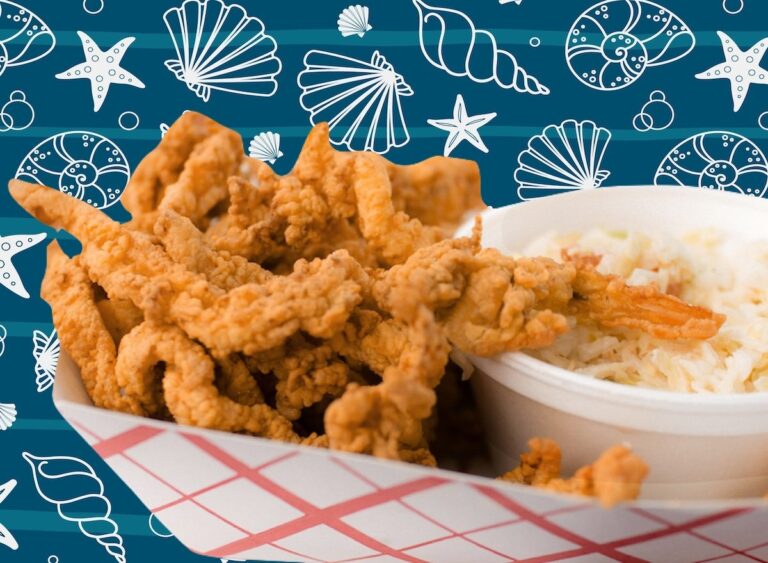
A 3-ounce serving of breaded clam strips at major seafood chains contains 240 calories with a macronutrient breakdown of 43% carbohydrates, 44% fat, and 13% protein, making them a calorie-dense option for diners monitoring their intake. Seafood chains including Captain D’s and Long John Silver’s have built their clam strip offerings around the Atlantic Surf Clam’s tongue muscle, a specific ingredient choice that delivers the tender, meaty texture customers expect. For health-conscious diners navigating these establishments, understanding the nutritional reality of what’s on the menu has become increasingly important.
Nutritional Reality: Why Breaded Clam Strips Present a Challenge for Restrictive Diets
The high calorie density of breaded clam strips—282 calories per 100 grams—stems directly from the processing and deep-frying preparation method used by most chains. A single 114-gram bag of Sea Watch Breaded Clam Strips delivers 930 milligrams of sodium, representing 40% of the daily recommended value, alongside 14 grams of total fat and 38 grams of total carbohydrates. For dieters following Low-Carb, keto, or weight-loss protocols, these numbers present significant obstacles to fitting clam strips into daily macronutrient targets.
The carbohydrate content proves particularly problematic for those managing blood sugar levels or following glycemic-conscious eating plans. Breaded clam strips contain minimal dietary fiber—ranging from 0 to 1 gram per serving—while delivering 5 grams of total sugars, with the majority of carbohydrates coming from the refined flour-based breading. This combination creates a moderate-to-high glycemic impact that makes fried strips a poor choice for diabetics or anyone prioritizing stable blood glucose throughout the day.
The Healthier Alternative: Steamed Clams Offer Superior Nutritional Profile
A direct comparison reveals why nutritionists consistently recommend steamed clams as a superior alternative to their breaded, fried counterparts. A 3-ounce serving of steamed clams provides 22 grams of protein—representing 44% of the daily value—while remaining low in fat and containing zero dietary fiber and 5 grams of total sugars. The steamed preparation method preserves essential micronutrients including zinc and vitamin B12, both critical for immune function and metabolic health.
The cholesterol content in breaded clam strips registers at just 15 milligrams per 114-gram serving, representing only 5% of the daily value, which provides some relief for those monitoring cardiovascular health. However, the combination of high sodium, elevated carbohydrates from breading, and substantial fat content makes steamed clams the clear winner for anyone following a DASH diet, heart-healthy eating plan, or any restrictive dietary protocol focused on weight loss or disease management.
Practical Ordering Strategies: Expert Guidance for Seafood Chain Diners
Dietitians specializing in weight loss recommend a specific framework for navigating seafood chain menus without compromising health goals: “Look for dishes that are grilled instead of fried, add on a high fiber veggie as a side, and split the more indulgent options like the pastas and dessert.” This strategy directly addresses the fried-versus-grilled dilemma that dominates clam strip offerings at major chains. By prioritizing preparation method and supplementing with high-fiber vegetables, diners can reduce caloric and carbohydrate intake while maintaining satisfaction.
Home cooks seeking to replicate chain-style clam strips with greater nutritional control have two primary options. For deep-frying, preheat oil to 350 degrees Fahrenheit and fry strips for 75 to 90 seconds until golden brown; for a lower-fat alternative, preheat an oven to 450 degrees Fahrenheit and bake accordingly. An additional consideration applies to consumers with shellfish sensitivities: clams are mollusks, a distinct allergen category separate from crustaceans like shrimp and lobster, requiring specific caution for those with bivalve allergies.
From Tradition to Processing: How Clam Strips Became a Chain-Store Staple
The “clam strip” represents a significant departure from New England’s traditional clam preparation standards. Whole belly clams, particularly those served at iconic establishments like Bob’s Clam Hut in Maine, remain the region’s premium delicacy, valued for their authenticity and traditional preparation methods. The breaded clam strip, by contrast, emerged as a processed adaptation popularized by fast-food and casual dining chains seeking to balance speed of service with customer satisfaction through consistent texture and tenderness.
This cultural shift reflects broader changes in American seafood consumption patterns over recent decades. Sea Watch’s decision to source exclusively from the Atlantic Surf Clam’s tongue muscle—rather than whole belly clams—demonstrates how chains engineered their products specifically for deep-frying compatibility and consistent texture delivery. The tongue muscle yields a tender, meaty result that appeals to consumers accustomed to processed seafood formats, even as it diverges significantly from the whole-belly tradition that defined New England clam frying for generations.
What Consumers Should Monitor Going Forward
As chain restaurants increasingly respond to health-conscious consumer demand, menu reformulations focusing on grilled seafood options and reduced-sodium preparations will likely reshape how clam strips are marketed and consumed. Diners following low-carb, keto, intermittent fasting, or weight-loss protocols should continue prioritizing steamed clams or grilled preparations over breaded, fried options, regardless of which chain they visit. The nutritional gap between these preparations remains substantial enough to warrant careful ordering decisions at every visit.
Understanding the specific ingredient sourcing—the Atlantic Surf Clam tongue versus whole belly alternatives—empowers consumers to make informed choices aligned with both their health goals and their preferences for authenticity. The breaded clam strip will likely persist as a menu staple at major seafood chains due to its speed, consistency, and broad appeal, but health-focused diners now possess the nutritional data necessary to make choices supporting their specific dietary objectives.
