
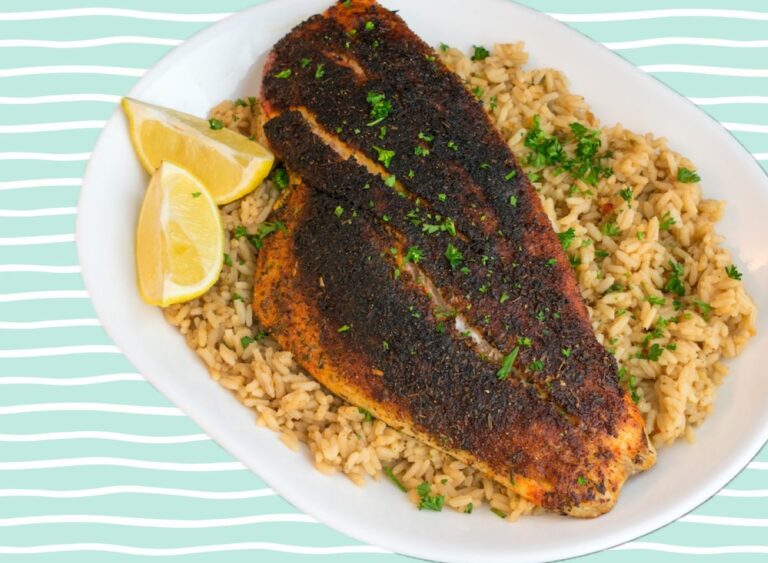
A standard serving of blackened fish prepared at leading seafood chains delivers 23.6 grams of protein while maintaining just 3.2 grams of net carbohydrates, making it a standout choice for diners tracking macronutrients on Low-Carb and ketogenic diets. Consumer reviews across America’s top seafood restaurants reveal that Pappadeaux Seafood Kitchen’s blackened catfish—particularly their Mississippi Catfish Opelousas—consistently earns praise from health-conscious diners seeking flavorful, protein-rich meals. However, the saturated fat and sodium content in chain-restaurant blackened fish preparations raise important considerations for those monitoring daily nutritional limits.
Blackened Fish Macros Make It a Keto Favorite—With Caveats
The macronutrient profile of blackened fish positions it as an attractive option for restrictive diets, particularly for individuals following ketogenic or low-carb eating plans. Each 1-tablespoon serving of traditional blackened seasoning blend adds only 4 grams of total carbohydrates and 3.2 grams of net carbohydrates to a fish fillet, while delivering substantial protein content at 23.6 grams per serving. The 19 grams of fat per serving comes primarily from the butter used in the blackening technique, which aligns with keto macronutrient targets despite the higher saturated fat concentration.
The blackened seasoning itself consists of paprika, garlic powder, onion powder, ground dried thyme, ground white pepper, black pepper, cayenne pepper, dried basil, dried oregano, ground nutmeg, and ground cumin—all zero-carb or near-zero-carb ingredients. This spice-forward approach allows chains to deliver bold Cajun and Creole flavors without relying on sugar-based sauces or breading that would elevate carbohydrate content. The technique requires searing the seasoned fish in a non-stick skillet with 3 tablespoons of butter over low heat, then increasing to medium heat for 3 minutes per side until the exterior blackens and crisps while the interior remains moist—a preparation method that adds minimal carbohydrates while maximizing flavor complexity.
Sodium and Saturated Fat: The Hidden Trade-Off for Chain Diners
While blackened fish offers impressive macronutrient balance, the average seafood menu item at United States chain restaurants delivers up to 49–61 percent of the total daily limit of saturated fat and 65 percent of the total daily limit of sodium in a single serving. The blackened preparation method relies heavily on butter and spice blends containing salt, which can push diners over recommended daily nutritional thresholds in one meal. For individuals managing hypertension, cardiovascular health, or sodium-sensitive conditions, this trade-off represents a significant consideration when selecting blackened options over steamed or poached alternatives.
Menu items labeled as “Less Sodium” blackened fish selections contain fewer than 500 milligrams of sodium per serving, offering a practical pathway for sodium-conscious diners at chains that provide nutritional transparency. The average seafood item also delivers 58–71 percent of total daily protein requirements, meaning blackened fish serves as a complete protein-dominant meal that may not require additional protein sources. Diners seeking to reduce saturated fat intake can request modifications such as omitting or reducing the butter, or substituting a non-spicy version by omitting cayenne pepper from the seasoning blend.
Pappadeaux Leads Consumer Endorsements for Blackened Catfish Quality
Diners consistently identify Pappadeaux Seafood Kitchen as the top-performing chain for blackened fish preparation, with particular praise directed toward their blackened catfish offerings. The Mississippi Catfish Opelousas represents the signature blackened catfish dish that generates enthusiastic reviews from health-focused consumers seeking authentic Cajun preparation with transparent nutritional profiles. This endorsement carries weight within the seafood-dining community, as Pappadeaux maintains a reputation for Cajun and Creole authenticity that extends beyond standard chain-restaurant fare.
Consumer rankings of 19 major seafood chain restaurants reveal stark performance differences, with Captain D’s Seafood Kitchen ranking last at position 19, followed by Long John Silver’s at position 18 and Bubba Gump Shrimp Co. at position 17. These lower-ranked chains typically rely on breaded or fried preparation methods that elevate carbohydrate and total fat content while reducing the macronutrient appeal of blackened fish options. The contrast between top-performing chains like Pappadeaux and lower-ranked competitors underscores the importance of chain selection for diners prioritizing both flavor and nutritional alignment with restrictive diet goals.
Steamed and Poached Fish Offer Healthier Fat Profiles Than Blackened Alternatives
Steamed or poached fish preparations emerge as the healthiest ordering methods at seafood restaurants, as these techniques typically use no added fat compared to the 3 tablespoons of butter required for blackened preparations. Community discussions among fitness-focused diners highlight that while blackened fish delivers exceptional flavor and satisfactory macronutrient balance, it sacrifices the minimal-fat advantage that steamed options provide. This distinction matters for individuals whose primary nutritional goal centers on fat reduction rather than carbohydrate minimization or who prefer to allocate their daily fat allowance to other meal components.
Diners can request clarification from servers regarding whether fish is prepared with or without added fat, enabling informed choices that align with individual nutritional priorities. The blackening technique’s reliance on butter distinguishes it from grilling or baking methods that may incorporate oil or fat only upon specific request. For those pursuing weight-loss goals or managing caloric intake, the difference between blackened fish at approximately 19 grams of fat and steamed fish at zero added fat represents a meaningful distinction worth considering during menu selection.
Blackened Fish Preparation Technique Defines Chain Restaurant Authenticity
The blackening technique itself—requiring a 3-minute sear on medium heat per side in a butter-coated non-stick skillet—establishes a preparation standard that separates authentic blackened fish from casual or rushed preparations. Achieving the signature blackened crust while maintaining a moist interior demands precise timing and temperature control, a requirement that distinguishes higher-performing chains from those cutting corners on preparation methodology. The visual and textural hallmarks of properly blackened fish—a darkened, somewhat crispy exterior with a tender, flaky interior—signal to diners that they have received a carefully executed dish rather than a generic seafood offering.
Chain restaurants that invest in proper blackening technique and quality fish sourcing earn consumer loyalty and positive reviews that drive repeat business among health-conscious diners. The simplicity of the seasoning blend—requiring no proprietary sauces or complicated preparation steps—allows chains to maintain consistency across locations while delivering authentic Cajun flavors. This accessibility to quality ingredients and straightforward technique explains why blackened fish has become a reliable choice for diners seeking both nutritional alignment and culinary satisfaction at major seafood chains.
What Diners Should Monitor When Ordering Blackened Fish at Chains
Health-focused diners ordering blackened fish at seafood chains should prioritize requesting sodium information and inquiring about butter quantity in the preparation, as both factors significantly impact the nutritional profile of the final dish. Asking servers whether a “Less Sodium” version of the blackened fish is available can reduce sodium intake to fewer than 500 milligrams per serving, aligning the meal with more conservative sodium guidelines. Diners following ketogenic diets can confidently order blackened fish as a macro-friendly option, while those prioritizing fat reduction should consider steamed alternatives or request reduced butter in the blackening preparation.
The choice between Pappadeaux and lower-ranked chains carries practical significance, as higher-performing seafood restaurants demonstrate greater commitment to preparation quality and nutritional transparency. Monitoring upcoming menu innovations and seasonal blackened fish specials at top-ranked chains enables diners to discover new options while maintaining nutritional consistency with established dietary goals. Blackened fish remains a distinctive choice for diners seeking flavorful, protein-rich meals that align with low-carb and ketogenic nutritional targets at America’s leading seafood restaurant chains.
