
Key takeaways
- Eight hours of sitting shortens hip flexors and rounds your upper back, but a 12-minute floor routine addresses both problems.
- The sequence matters: lengthen shortened muscles first, then activate dormant glutes, open rounded areas, and integrate everything together.
- Each exercise has a standing alternative using a table or wall if floor work is uncomfortable.
The effects of an 8-hour workday sitting in a chair extend far beyond fatigue. Prolonged sitting shortens the hip flexors while rounding the upper back into excessive curvature, which creates tightness, pain, and muscular weakness affecting your entire body. These changes happen gradually but compound over years. The good news is that a focused 4-exercise routine performed on the floor can reverse these effects in just 12 minutes.
The traditional approach to counteracting sitting involves taking computer breaks, standing every 30 minutes, or going for an evening walk. While these strategies help to some degree, they lack the specificity needed to address the actual damage sitting causes. Your body needs targeted work on weakened glutes and over-rounded shoulders. Generic movement cannot repair these specific problems.
Why the Sequence Matters
The order of these exercises is as important as the exercises themselves. Your body must progress through four distinct stages: first lengthen the muscles that shortened during sitting, second activate the muscles that have switched off, third open the areas that rounded forward, and finally integrate all your joints into unified movement. Each stage depends on the previous one working correctly. Skipping steps or performing them out of order reduces the benefit.
Performing this routine on the floor removes a common obstacle. Many people over 60 encounter balance issues when standing, which interferes with exercise form and builds frustration. The floor provides the stability you need to focus entirely on the muscle group being targeted rather than spending energy on staying upright. A secure table or counter is all you need when standing alternatives become necessary.
Opening the Hip Flexors First
Why hip flexors are your starting point
When you sit for hours, your hip flexors shorten and stay shortened. This shortened position pulls your pelvis under and forces your body into excessive anterior pelvic tilt. Once the hip flexors become tight, they trigger problems that travel up the spine and down the legs. Opening the hip flexors first allows your pelvis to return to its neutral position, which corrects alignment throughout your body. This is why this exercise must come before the others.
How to perform the half-kneeling stretch
Step into a high split stance with your hands resting on a secure table for balance. Tuck your tailbone under and actively squeeze the glute on the kneeling side. This contraction teaches your body which muscle should be doing the work. Hold this position for 45 seconds, then switch sides. Complete two sets on each side, which totals 3 minutes. By the end of this stretch, you should notice your hips opening and your posture feeling taller.
Waking Your Glutes with the Bridge
Your largest muscle group has gone silent
The glutes are the largest muscle group in your body, and sitting puts them to sleep. When your glutes stop firing properly, the muscles around the hips compensate by overworking themselves, which leads to the lower back pain that plagues so many people who sit for work. If you could restore only one thing through exercise, waking your glutes would prevent most of the lower back discomfort that comes with a desk job.
The mind-muscle connection changes everything
Most people perform a glute bridge as a mindless movement, and that produces minimal results. The difference lies in focused intention. As your hips rise off the ground, imagine actively squeezing your glutes while also engaging your abdominal muscles. Push through your feet to lift your hips until you create a straight line from your shoulders to your knees. Hold the top position for 2 to 3 seconds before lowering with control. Maintain this quality of focus for the entire 3-minute segment. When your glutes understand what is being asked of them, the benefit multiplies.
The standing alternative uses a counter or table for support. Bring one leg straight behind you, staying upright as you squeeze the glutes for several seconds before switching legs.
Correcting Your Upper Back Curvature
Spending hours at a desk or staring at a screen locks your thoracic spine in a tightened, rounded position. This rounded upper back adds tension throughout your chest, shoulders, and entire spine. Floor angels address this tightness directly, and the exercise itself serves as a form of self-assessment.
The challenge of floor angels lies in maintaining contact with the ground throughout the entire movement. As you bring your arms overhead, you must keep your lower back, upper back, and the backs of both hands flat against the floor the entire time. Most people cannot do this without cheating. The minute your hands, elbows, or back want to rise off the ground, that marks your actual range of motion. Move slowly and only go as far as your form allows. The moment you notice any of these points lose contact with the floor, stop and start from the beginning rather than continuing with compromised form.
The standing version mirrors the floor version but uses a wall for feedback. Keep your head, back, elbows, and the back of your wrists against the wall as you slowly slide your arms up and down. This wall contact reveals exactly where your upper back needs the most work.
Bird Dog: Integrating Everything
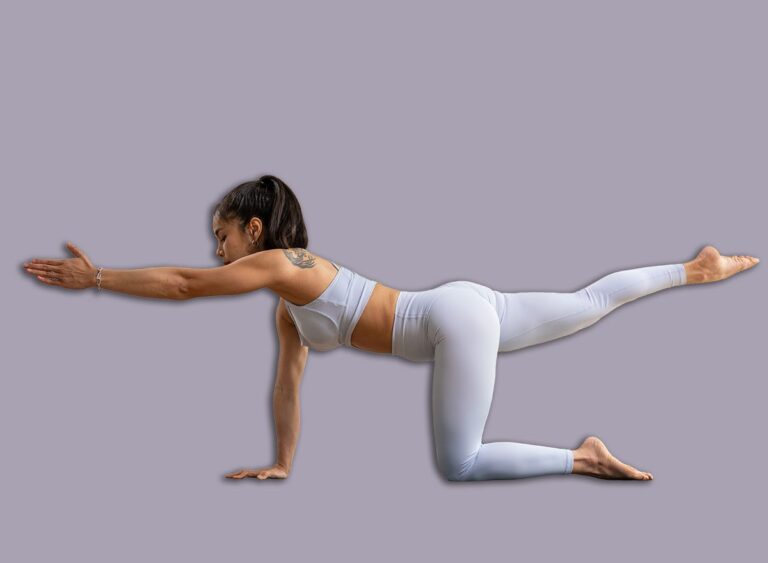
The bird dog integrates all your joints into one coordinated movement and builds the stability your body needs. As you extend opposite limbs, your core works to keep everything aligned properly. The temptation exists to let one hip rise higher than the other, but resist this compensation pattern. You need to actively maintain a level, stable position with your hips and torso flat.
Start by lifting your opposite leg and arm while still keeping them bent. Focus on staying balanced in this less familiar position. Only after you have mastered this foundation should you progress to fully extending your arm and leg until both are completely straight. This progression prevents your body from relying on momentum or compensation patterns.
The standing version requires a slight forward hinge at the hips. Extend one leg and the opposite arm while keeping your hips level and back flat, exactly as you would on the floor.
Bringing the 12 Minutes Into Practice
The total time breaks down simply: three minutes for hip flexor stretches, three minutes for glute bridges, three minutes for floor angels, and three minutes for bird dogs. This framework allows you to spend genuine time on each movement rather than rushing through token repetitions. The order remains non-negotiable because your body must lengthen shortened muscles before activating dormant ones, and it must open rounded areas before integrating everything into unified patterns.
These exercises target the specific damage that 8 hours of daily sitting causes to people over 60. Walking, stretching generally, or taking breaks help, but this routine addresses exactly what sitting breaks.
Frequently Asked Questions
How long does the complete routine take?
The routine takes 12 minutes total, with 3 minutes dedicated to each of the four exercises: hip flexor stretch, glute bridge, floor angels, and bird dog.
Can I do this routine standing if the floor is uncomfortable?
Yes, each exercise has a standing alternative. The hip flexor stretch and glute bridge use a table for support, and floor angels can be performed with your back against a wall.
Why does the glute bridge come before floor angels?
Your body must first lengthen the shortened hip flexors, then wake the dormant glutes, then open the rounded upper back. This sequence allows each stage to build on the previous one.
