
Key takeaways
- Standing exercises recruit the entire body at once, burning more energy than isolation machines while building core strength.
- Five movements—high knee marches, wood chops, lateral steps, punches, and squats—strengthen your core without requiring gym equipment.
- Combine standing exercises with regular walking and better nutrition to see meaningful changes in your midsection.
The midsection tends to be where change becomes most visible once people pass 60. The reasons aren’t mysterious—aging muscles shrink even if activity stays constant, sedentary time increases, and the body’s ability to maintain lean mass declines. This combination creates a stubborn bulge that frustrates many people. Yet the real cause isn’t age itself; it’s the shift in muscle tissue and movement patterns that age brings.
Why Standing Exercises Outperform Machine-Based Core Work
Many people assume that targeting stomach fat means using isolation machines at the gym. The logic seems sound—use a machine that focuses on the core, and the core should improve. The reality is different. No exercise machine can reduce fat in a single spot, and most isolation machines only engage a small group of muscles. This narrow focus means less total work for the body overall, which translates to fewer calories burned and less stimulus for whole-body strength.
Standing exercises follow a different principle. When you perform movements while upright, you recruit the legs, hips, shoulders, and core simultaneously. This integrated approach creates far greater demands on the cardiovascular system, raising your heart rate higher than most seated or supported exercises can achieve. The result is more energy expenditure, stronger muscles across the entire body, and a genuine opportunity to build the foundation that leads to a leaner midsection. People who see the biggest changes consistently prioritize total-body movement rather than chasing endless abdominal isolation work.
The Standing High Knee March: The Accessible Starting Point
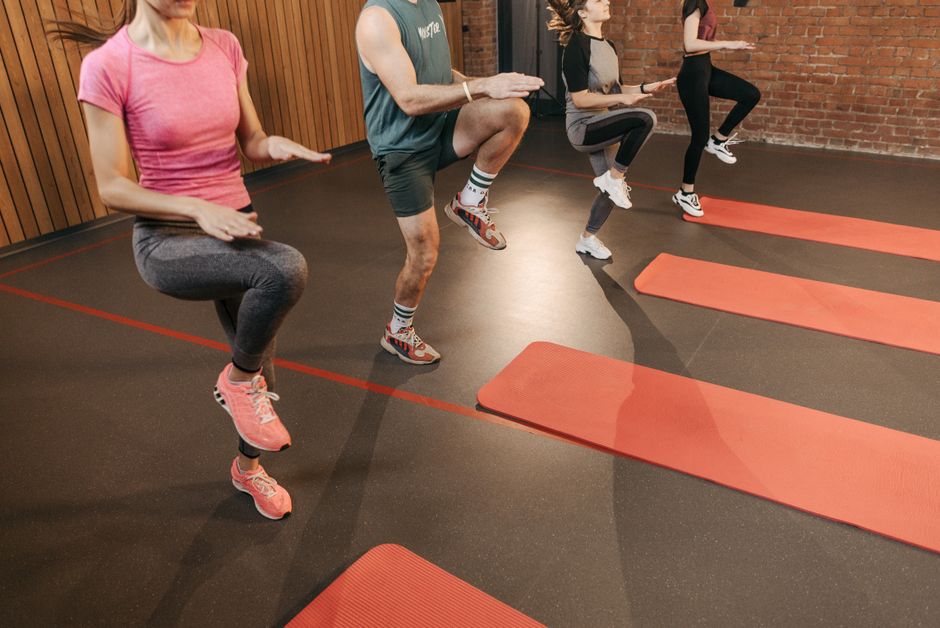
If someone wants to strengthen their core without lying on the floor, the high knee march is an excellent entry point. The movement is straightforward: standing in place, lift each knee with control toward chest height, then lower and alternate legs. Simple as it sounds, every repetition forces the abdominal muscles to stabilize the spine against the motion, while the supporting leg and hip muscles work to keep balance intact.
The quality of the movement matters more than the speed. Slower, controlled lifts create greater activation in the core than rushing through repetitions. Many people who add this exercise to their morning routine report stronger posture and better endurance over time. The movement works for nearly every fitness level, making it a logical place to begin.
Rotational Strength and Lateral Movement: Two Distinct Challenges
Building Rotational Control with Wood Chops
The human body moves in multiple planes, but many exercises focus only on forward-and-back motion. Rotational movement—twisting the torso—requires a different set of muscle activations. The standing wood chop is built around this principle. The movement engages the obliques along the sides of the abdomen, the shoulders, the hips, and the deeper abdominal muscles. What makes it especially effective is that it teaches the body to rotate with control, relying on core strength rather than momentum or the lower back.
Because wood chops recruit multiple muscle groups at once, they create both strength gains and significant calorie expenditure. People who practice the movement consistently often report that everyday twisting activities—reaching for something to the side, looking over their shoulder while walking—feel noticeably easier. The exercise stands as one of the most effective standing alternatives to machine-based core routines.
Lateral Steps: Strengthening the Sides and Hips
Side-to-side movement challenges the body in ways that forward-and-back exercises cannot. The lateral step involves moving sideways while reaching one arm overhead. This combination strengthens the hip and glute muscles on the working side, while the overhead reach forces the core to stabilize the entire torso throughout the motion. The added balance challenge gently increases heart rate without the impact of more intense cardio.
What surprises many people is how quickly lateral movement improves coordination and athletic feeling. After a few weeks of consistent practice, people frequently report feeling more coordinated during daily activities and more confident in their movement quality overall.
Upper-Body Engagement: Punches and Full-Body Integration
Standing Punches for Core Engagement
A movement that combines core strengthening with light cardiovascular demand is the standing punch. Despite the name, the real work isn’t in the arms alone. Every punch activates the shoulders and chest, but the key is what happens in the core. The obliques engage to support the movement, and the hips rotate with each punch to generate power. The torso rotation itself challenges the abdominal muscles to stabilize and control the entire motion.
The distinction between an ineffective and an effective punch comes down to one detail: rotating from the torso rather than simply swinging the arms. That small adjustment dramatically increases core engagement. The movement leaves the entire body feeling energized, making it both functional and psychologically rewarding.
Squats with Overhead Reach: The Full-Body Finisher
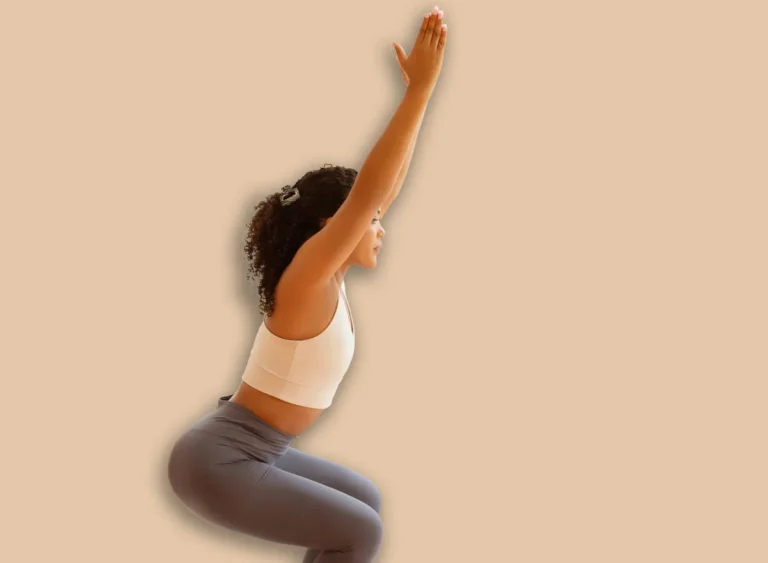
The final exercise recruits nearly every major muscle group in the body in a single movement. The squat strengthens the legs and glutes—the largest muscles in the body. Adding an overhead reach as you stand back up forces the core to stabilize the spine against the weight of your arms extending upward. Together, these actions create a highly functional movement that burns more total energy than isolated machine exercises.
What makes this exercise valuable for people over 60 is that it strengthens the exact muscles responsible for healthy posture and spine support. After performing squats with overhead reach, people frequently report feeling stronger from head to toe—not just in the abdomen, but throughout the body.
Combining Exercise, Walking, and Nutrition for Results
The standing exercises alone aren’t the complete answer. Pairing them with regular walking and attention to nutrition creates the foundation for genuine change. Walking provides consistent, joint-friendly cardiovascular activity that burns additional energy without the recovery demands of intense training. Combined with eating better, the full program builds the stronger body that leads to a leaner midsection.
The people who achieve the biggest changes around their waist aren’t usually those with the fanciest gym memberships—they’re the ones who focus on total-body functional movement paired with consistency in their daily habits. The five standing exercises provide the strength-building component. Regular walking supplies the cardiovascular stimulus. Better nutrition supports recovery and fuels the body appropriately. These three elements together create the conditions for visible results.
Frequently Asked Questions
Why do machines fail to reduce stomach fat?
No machine can spot-reduce fat, and most isolate only a few muscles, creating less total body work and fewer calories burned compared to functional movements.
What's the main advantage of standing exercises over machines?
Standing exercises recruit legs, hips, shoulders, and core simultaneously, raising your heart rate higher and burning more energy than seated machines.
What's the key to getting maximum core engagement from standing punches?
Rotate from your torso instead of just swinging your arms—that small adjustment dramatically increases core engagement.
