
Key takeaways
- Four minutes of daily home strength work added four chair stands over 12 weeks for inactive adults over 65.
- Eight minutes of daily routine, split into four exercises, becomes habit when it fits easily into your morning.
- Progression prevents adaptation and continues to build strength, which requires gradually increasing difficulty over time.
- The four exercises (reverse lunges, seated presses, one-arm rows, sumo deadlifts) train the functional patterns used daily.
Why Strength Matters After 60
Muscle loss happens in small steps. Stairs feel steeper. Grocery bags feel heavier. Lifting a suitcase into an overhead bin requires more effort than it used to. Most people notice these shifts in their physical capacity long before they see changes in the mirror. After age 60, this pattern accelerates unless something reverses it. Rebuilding age-related strength loss, however, does not require hours at the gym.
A strength coach who has worked with adults over 60 for years has observed that the ones who stay strongest use short daily sessions instead of sporadic ambitious workouts. The key difference is habit. An eight-minute routine fits into morning coffee, after breakfast or while waiting for a meeting. An hour-long program stays on the to-do list and gets pushed further down each week.
The Research Behind Short Daily Work
According to research, inactive adults over 65 who did just four minutes of daily home strength work added approximately four chair stands over twelve weeks compared with those who did no training at all. Four chair stands represents the difference between struggling to rise from a chair and standing up with confidence. The timeframe matters as much as the result. What four minutes did was establish a habit, which is the foundation for real progress.
Repetition of the same eight minutes forever, however, creates a plateau. Once your body adapts to a given exercise, progress stops without change. The path forward is progression: making tomorrow’s eight minutes slightly harder than today’s. The routine below provides a rep target to track and a progression ladder. Start a few reps above your current count. Once you hit your target, advance to the next level. Each step demands more from your muscles, forcing them to adapt by growing stronger.
Equipment and Setup
You need a sturdy chair, a pair of light-to-moderate dumbbells and a low step. Brace the chair against a wall before starting so it cannot slide. Each two-minute block divides into two rounds: thirty seconds of work and thirty seconds of rest. Move with control in every repetition and let the numbers guide your intensity. Stop immediately if anything hurts or if you feel dizzy.
The Four Exercises
The routine uses four movements that train the patterns you use most often in daily life.
Reverse Lunges
Climbing stairs and stepping over a curb both rely on one leg to carry your entire body weight. The reverse lunge trains this movement, but stepping backward is gentler on the knees than stepping forward. This exercise rehearses the half-kneeling position you pass through when getting up off the floor, a position that becomes more valuable as you age.
Step back far enough so both your knees bend. Drive through your front heel to stand back up. Keep your chest tall and lower with control on every rep. Start with one hand touching the chair. When you hit your rep target, let go of the chair. Progress further by holding a dumbbell at your chest.
Seated Press
Pressing a weight overhead builds the strength to hoist a bag into an airline bin or place a dish on a high shelf. The seated version with a backrest is superior for adults over 60 because the backrest protects the lower back, letting the shoulders do the work they are built for.
Sit tall with your back against the chair and dumbbells at shoulder height. Press straight up until your arms straighten and the weight sits directly overhead. Lower slowly to the start. Begin with a lighter pair. Once you reach your target, switch to heavier dumbbells. Next, alternate arms on each rep. Finally, press one arm at a time, one arm per round. Single-arm pressing forces your trunk to stabilize your movement, a skill that transfers to everyday overhead reaching.
One-Arm Row
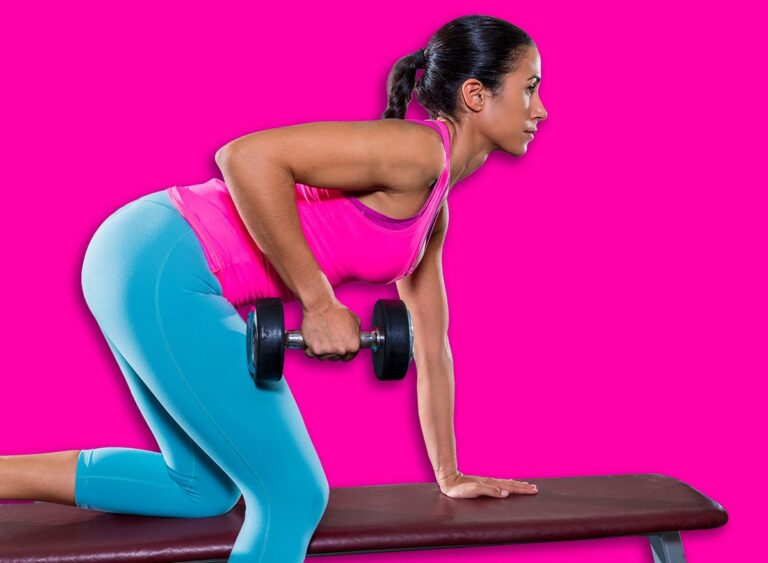
Your upper back provides the pulling strength you need to open a heavy door or lift a heavy bag across a room. The one-arm row trains this pull and improves posture at the same time. Most of daily life, especially screen time, reading and sitting, pulls your shoulders forward into a rounded position. Rows pull the shoulders back to where they belong.
Rest your free hand on the chair back and hinge forward, pushing your hips back. Pull the dumbbell toward your hip, squeeze your shoulder blade back and down, then lower until your arm straightens. Work one arm per round. Use heavier weight once the movement becomes easy.
Sumo Deadlifts
This final movement uses your legs and back as one unit. Deadlifting is one of the most functional movements: picking something up off the floor. Grocery bags, laundry baskets and boxes all start at ground level. The sumo deadlift uses a wide stance with the dumbbell between your feet. This position allows your knees and hips to move together.
Stand with feet wider than your hips, toes slightly out. Push your hips back, bend your knees and grip the dumbbell with both hands. Keep your chest tall and drive through your heels to stand. Start with the dumbbell on a low step. Over time, increase the weight.
Tracking and Progression
Count your reps on the first round every day and write the number down. This is your baseline for tomorrow. Set a new target a few reps above today’s count. Once you hit it, step up one rung and start counting again. Each rung might mean adding weight, switching to single-arm work, or removing chair support. Progression prevents adaptation and keeps your body challenged enough to build strength.
Eight minutes feels short because it is. But eight minutes every day adds up to fifty-six minutes per week, roughly two hundred twenty minutes per month. Strength training at this volume is enough to offset the natural decline that comes with age. Progress comes through consistent, intelligent practice rather than through heroic effort.
Source: Eat This Not That
Frequently Asked Questions
What equipment do I need for this routine?
You need a sturdy chair, a pair of light-to-moderate dumbbells and a low step. Brace the chair against a wall to prevent sliding.
How long does it take to see results from an eight-minute daily routine?
Research shows that four minutes of daily strength work added about four chair stands over twelve weeks in inactive adults over 65. Results vary based on your starting fitness level.
How do I know when to progress to the next level in each exercise?
Track your repetitions on the first round of each block every day and write the number down. Once you hit your target (set a few reps above your current count), step up one rung on the progression ladder for that exercise.
