
Key takeaways
- A clean plank hold beyond two minutes after 55 puts your core strength ahead of 90 percent of your peers.
- Proper form—head-to-heels alignment with level hips and neutral lower back—matters more than the clock.
- Core endurance, not just strength, determines how well you can maintain position during daily tasks like carrying and walking.
- Training your glutes, shoulders, and upper back alongside plank holds builds the supporting strength you need for real progress.
What the Plank Test Actually Measures
The plank is not just a time trial. What happens before you start the timer tells you far more than the seconds you hold. A strong setup—where you create proper tension, settle your hips level, and breathe without straining—reveals your true core ability. After 55, this matters because your core does more than support crunches. It manages force from your upper body down to your legs, stabilizing your spine while everything else moves around it.
Your midsection works as a team. Your abs brace the front of your trunk, your obliques keep your torso steady, and your glutes help your pelvis stay in line. Your shoulders and upper back also work to keep your body supported over your forearms. This makes the plank a measure of full-body control, not just abdominal strength.
Why Endurance Beats Raw Strength
A short plank shows you can create tension. A longer clean plank shows you can hold it. After 55, that endurance separates someone rebuilding their core from someone with staying power. Strength gets you into position, but endurance helps you keep it when fatigue sets in—which is when you need it most.
This endurance carries directly into daily life. When your core has staying power, you don’t lose position as quickly during longer efforts like extended walks, carrying groceries, or helping someone move furniture. Your movement stays connected and organized instead of breaking down midway through the task.
The Connection to Daily Function
Your core supports your spine when you walk, helps you stay steady when you carry something heavy, and gives your arms and legs a stronger base to move from. Floor transitions—getting up from a chair without using your hands, rolling out of bed, bending to pick something up—all rely on that same ability to stay organized while the rest of your body works. When your core has endurance, these tasks feel easier and safer.
The Correct Setup and Standards
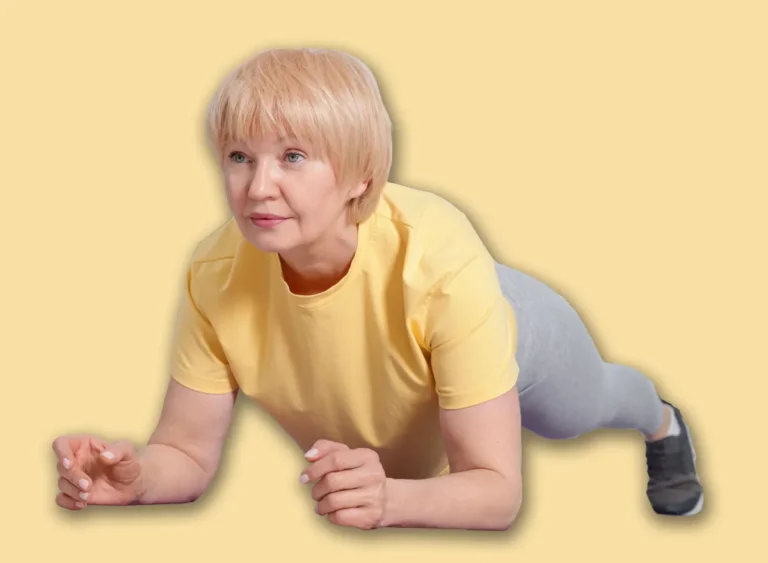
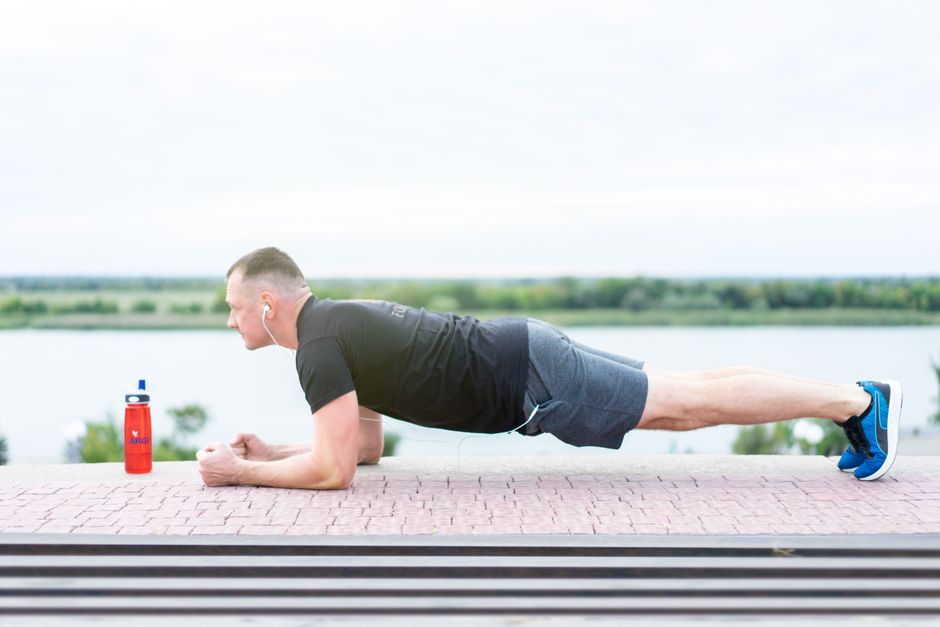
The plank test begins before the timer. Get into position first, create tension throughout your body, and only then start the clock. The goal is to keep a straight line from your head to your heels for the full hold. Every second should look steady, controlled, and repeatable.
Movement Standard: Your plank counts when your body stays in a straight line, your hips remain level, and your lower back stays neutral. Stop the timer when your hips drop, your back arches, or your shoulders lose position. A shorter plank with strong position gives you better information than a longer hold where your hips start drifting.
Variations That Work for Different Levels
If the standard plank still feels challenging, start with variations designed to build confidence. High Plank (on your hands instead of forearms), Incline Plank (hands elevated on a bench or step), and Stability Ball Plank (feet resting on a ball) all reduce the demand while teaching you how to brace, keep your hips level, and build endurance with shorter holds.
Side Plank and RKC Plank (where you squeeze everything hard before holding) target the obliques and teach maximum tension. These variations strengthen the areas that support your standard plank without requiring the same hold duration, making them ideal for supplemental work alongside your main plank training.
Consistency Is Your Measurement Tool
Use the same setup every time you test so your progress stays clear. Clean 15- to 25-second holds can still move you forward if your form is solid. The test only works if you’re comparing apples to apples—same position, same breathing, same stopping point.
Your Benchmark Scores for 55 and Beyond
The benchmark for core strength in your age group rests on a simple target: a clean hold that lasts past the two-minute mark. That’s a serious achievement after 55, especially when your hips stay level and your lower back stays neutral the whole time.
Beginner Range: 15–25 Seconds
This useful starting point shows you’re learning how to brace, keep your hips level, and build confidence with shorter holds. You can create tension, but holding it consistently is still a work in progress. Focus on form over duration. Clean sets in this range still move you forward.
Intermediate Range: 25–60 Seconds
Holding a plank for 25 to 60 seconds shows you can create tension and hold it with control. Your core can support regular daily movement, and your shoulders and hips can stay organized long enough to handle most basic strength work. This is the range where you feel noticeably more stable during walking, carrying, and lifting—the functional carryover becomes obvious.
Strong Range: 60+ Seconds to Two Minutes
You’re showing strong core endurance here. Your body can stay lined up as fatigue builds, and your breathing stays steady enough to keep the hold under control. This range usually reflects a reliable base for lifting, carrying, walking, and getting up from the floor. Your core has the staying power to support real effort.
Elite Range: Beyond Two Minutes
Holding a clean plank beyond two minutes after 55 is impressive. Your core can maintain tension, your hips stay steady, and your shoulders continue supporting the position without the hold falling apart. This score puts your core strength ahead of most of your peers—literally stronger than 90 percent of people your age. Your core strength, endurance, and full-body control are at an excellent level.
Building a Stronger Plank
Improving your plank starts with better position, then more time. Max holds can help occasionally, but most progress comes from clean practice and smart supporting work. Your core, glutes, shoulders, and upper back all contribute to the hold, so training those areas will make the plank feel stronger.
Focus on keeping your sets repeatable and controlled. When your form improves, the timer usually follows. Don’t chase duration at the expense of position—a five-second plank with perfect form teaches your body more than a 30-second hold where your hips drift and your back arches.
Supporting work matters as much as the plank itself. Exercises that strengthen your glutes, improve shoulder stability, and reinforce upper-back endurance all make your plank stronger. Think of the plank as a summary test: if any supporting muscle group is weak, you’ll notice it in the hold.
Your Core’s Impact on Everything Else
A strong plank after 55 says your core can hold position under fatigue. That capacity shows up everywhere—the way you walk, how steady you are when you lift, your balance when carrying something, and how easily you move through the day. The plank is not just a fitness metric. It’s a window into your functional strength and how your body will feel during real-world demands.
If you can stay clean past the two-minute mark, your core strength puts you ahead of most peers. That strength carries into years of easier, safer movement.
Frequently Asked Questions
What plank time counts as strong after 55?
A clean plank hold beyond two minutes—with your hips level and lower back neutral the whole time—is impressive and puts you ahead of most of your peers.
What should I do if I can't hold a plank for very long yet?
Focus on proper form first. Clean 15- to 25-second sets with good position teach your body more than longer holds where your hips drift. Also try variations like Incline Plank or Stability Ball Plank to build confidence and endurance.
Why does core strength matter for daily life after 55?
Your core supports your spine when you walk, helps you stay steady when carrying something heavy, and gives your arms and legs a stronger base to move from. It also makes floor transitions like getting up from a chair easier and safer.
