
Key takeaways
- Five major Italian chains—Patrizia, Carrabba's, Olive Garden, Maggiano's, and Biaggi's—prepare sauces in-house daily rather than using bottled or pre-made versions.
- Diners consistently report that fresh sauces carry more complex flavor and body than pre-made alternatives, supporting pasta, proteins, and vegetables equally well.
- In-house sauce production allows kitchens to create specialized versions for different dishes, from marinara to alfredo to cheese sauces, without flavor conflicts.
- Customers across multiple visits describe fresh-sauce restaurants as delivering generous portions, deliberate flavor composition, and lack of the flat or metallic taste of bottled sauces.
When you order pasta at an Italian restaurant chain, the sauce carrying that pasta often determines whether the meal feels memorable or forgettable. According to Eat This Not That, which surveyed diners about their restaurant experiences, several major chains have maintained the older practice of making sauces daily from scratch rather than relying on pre-made bottled versions or powdered mixes. This commitment appears across different scale operations and regional markets, yet consistently produces results that customers recognize and appreciate: meals grounded in sauce quality rather than shortcuts.
The Real Difference Quality Sauce Makes
Sauce prepared fresh in-house carries a complexity that pre-made alternatives fundamentally cannot match. When kitchen staff combines whole tomatoes, fresh herbs, and proper reduction time under controlled conditions, the result develops layers of flavor: a body that clings to pasta, a balance between acid and sweetness, a texture that feels alive rather than thin. Diners who have eaten at both made-from-scratch operations and chains using pre-bought sauce consistently report noticing this gap. A single mediocre sauce can sabotage otherwise solid pasta, proteins, and sides, making the sauce-preparation method a legitimate factor in choosing a restaurant. Conversely, quality sauce elevates supporting ingredients that might otherwise be ordinary.
Five Major Chains Maintaining In-House Sauce Production
Patrizia
Patrizia organizes its entire operation around ingredient freshness, a philosophy that extends directly to how sauces are built and deployed. When one diner ordered fioretti boscaiola pasta there, they received it “in a rich, creamy mushroom and peas sauce, paired with a tomahawk steak cooked to absolute perfection.” The same customer observed: “Every bite was a testament to the quality and care put into the food.” This testimony captures what Patrizia’s repeat customers report across multiple visits: the attention invested in sauce composition becomes apparent when tasted alongside proteins and starches. The mushroom and peas sauce the diner mentioned represents a category beyond simple marinara or alfredo, a composed sauce requiring multiple fresh ingredients and technique.
Carrabba’s Italian Grill
Carrabba’s produces both its pomodoro and meat sauce fresh each day, a protocol that shows in customer assessments. According to Eat This Not That’s survey, one patron shared: “Everything we had was delicious! Generous portions, hot mouth watering flavorful pastas and tasty crispy wings. Calamari and sauces and fried zucchini was amazing!” That comment encompasses wings, pasta, calamari, and zucchini, indicating that fresh sauce reaches across the menu beyond pasta plates. When sauce-making happens in-house, the kitchen can adjust salt, acidity, and richness to complement different proteins and textures rather than forcing everything onto the same prepared base.
Olive Garden
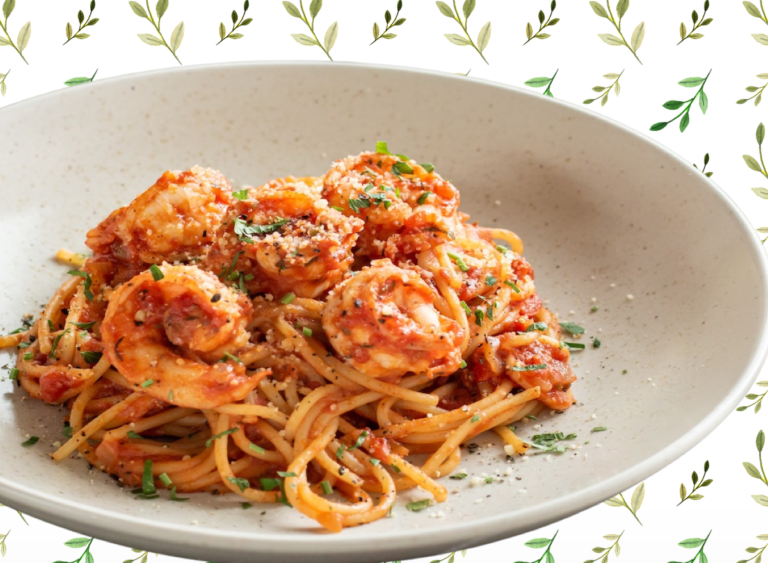
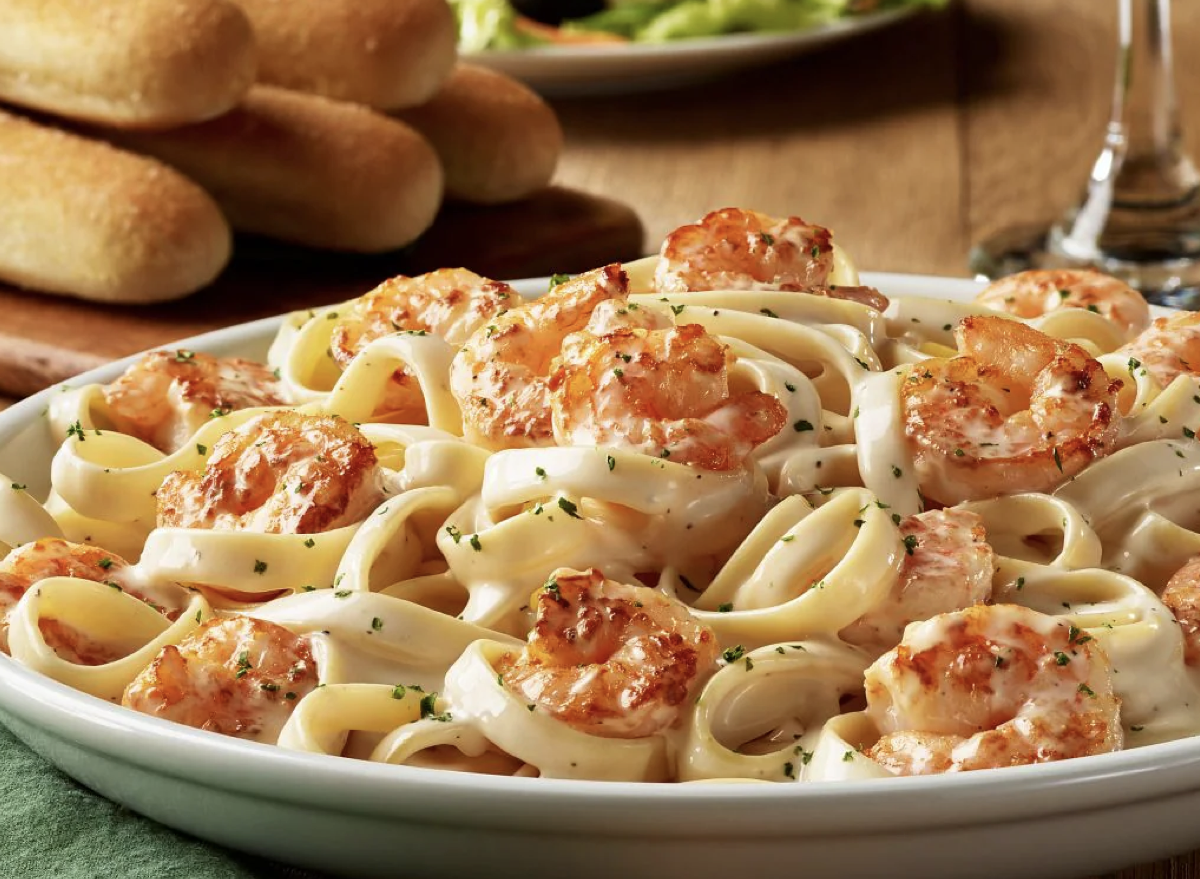
Olive Garden makes its signature sauces for specific menu items in-house, including versions for Lasagna Classico, Spaghetti & Meatballs, and Shrimp Alfredo. When one regular visited, they ordered the lasagna and said afterward: “I’m a sucker for a good lasagna and this was worth it.” Another diner came with friends and ordered “the Rigatoni with 5 cheese marinara, Baked Ziti, and egg plant parm,” with breadsticks, salad, and chicken gnocchi soup for the table. That patron concluded: “Food was delicious all around.” That table’s order included marinara, 5-cheese marinara, alfredo, and cheese sauce across different pasta dishes. The range of sauce types in a single visit shows that Olive Garden maintains multiple sauce recipes rather than forcing a single pre-made base to work across incompatible applications. This approach requires production discipline and ingredient inventory.
Maggiano’s Little Italy
Maggiano’s prepares its sauce in-house every day, a practice that diners associate with the portions and flavor profile they experience. According to Eat This Not That, one customer reported after their visit: “Everything we ordered was absolutely delicious, with generous portions and rich, comforting flavors that truly reflect classic Italian-American cuisine done right.” The same person added: “Each dish was clearly prepared with care and attention to detail, and nothing felt rushed or overlooked.” These observations point to consistency across a full meal: multiple dishes tasting equally well-executed, portions that feel substantial rather than pinched, and flavors that feel deliberate rather than assembled from inventory shortcuts.
Biaggi’s Ristorante Italiano
Biaggi’s produces its sauces daily, allowing pasta dishes to vary from light to heavy while remaining flavorful. A regular customer described their experience: “The Pasta: You honestly can’t go wrong here—all the pasta dishes are fantastic. Whether you’re going for a rich, hearty lasagna or a lighter seafood linguine, the flavors are authentic and the portions are generous.” This observation highlights a capability that in-house sauce production enables: a single kitchen can maintain both robust tomato-based sauces for heartier pasta shapes and delicate preparations for seafood without the flavor conflicts that emerge when pre-made bases get pressed into service across incompatible applications.
What Consistently Emerges in Diner Feedback
Across these five operations, customer reports cluster around parallel observations: portion sizes feel substantial, flavors read as deliberately composed rather than one-dimensional, and the overall execution does not carry the flat or metallic quality associated with jarred sauces. None of these assessments require customers to know ingredient lists or production procedures. Instead, diners simply experienced the results: sauce that held body and flavor through the pasta without separating, taste balance that suggested individual attention rather than industrial uniformity, and absence of the chemical or oxidized notes common to bottled products that sat for weeks before service. The connection between in-house production and these experienced outcomes appears direct enough that multiple customers across different locations reported identical observations.
Source: Eat This Not That
Frequently Asked Questions
Which Italian chains make sauce from scratch?
According to diners surveyed by Eat This Not That, Patrizia, Carrabba's Italian Grill, Olive Garden, Maggiano's Little Italy, and Biaggi's Ristorante Italiano all prepare their sauces in-house daily.
What is the difference between fresh-made and pre-made sauce?
Diners report that fresh sauces carry more complex flavor and body, hold flavor better on pasta, and lack the flat or metallic quality of bottled alternatives. In-house production also allows kitchens to create different sauce types for different dishes.
What do diners specifically praise about these restaurants?
Customers consistently mention generous portions, rich and balanced flavors, careful attention to preparation quality, and the taste difference that reflects in-house sauce production.
