
Key takeaways
- Marbled ribeye stays tender because fat content creates natural tenderness and protects against overcooking.
- Budget chains like Texas Roadhouse offer quality 20-ounce bone-in ribeyes with complete meals under $50.
- Mastro's Steakhouse commands premium prices for dry-aged cuts up to 33 ounces, ranging from $87 to $116.
- Outback's 13-ounce ribeye gives diners a smaller portion without sacrificing the marbling that ensures tenderness.
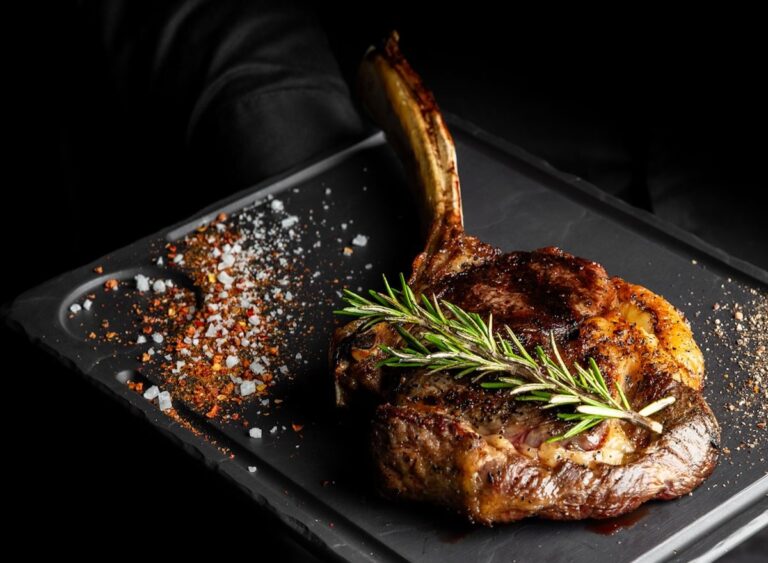
Ribeye steaks represent one of the most forgiving cuts available at steakhouses, primarily because intramuscular marbling creates tenderness naturally. The fat content that runs through the muscle fibers provides not just flavor depth (what many describe as a buttery quality) but also acts as an insurance policy against overcooking. When a steak is properly marbled, the fat melts during cooking and bastes the meat from within, a mechanism that works even if your server misjudges your preferred doneness by half a notch. This combination of built-in tenderness and forgiving nature has made the ribeye a favorite across the income spectrum, from budget-focused steakhouse chains to establishments that price cuts above $100. Eat This Not That compiled feedback from diners at five major steakhouse chains to identify locations where ribeye orders consistently arrive tender and satisfying.
Capital Grille: Where Butchery Meets Preparation
Capital Grille positions itself as a premium steakhouse experience, and the ribeye selection reflects that positioning. The 22-ounce Bone-In Prime Ribeye costs $77, and the chain differentiates this option by employing an in-house butcher to handle the carving. Having a trained butcher perform the post-sear slicing matters because cut thickness, angle, and the preservation of the crust all influence how diners experience the meat.
Premium Prime Cut
The Prime option represents Capital Grille’s straightforward approach to quality, using premium beef and professional carving technique to ensure proper presentation and texture.
Porcini-Rubbed Specialty
Beyond the Prime option, Capital Grille offers a Porcini-Rubbed Bone-In Ribeye featuring a crust built from savory porcini mushroom and red chili powder, finished with 15-year-aged balsamic vinegar. According to Eat This Not That’s testing, this seasoned version ranks among the most tender and juicy ribeye options available at major steakhouse chains.
Texas Roadhouse: Value in a 20-Ounce Cut
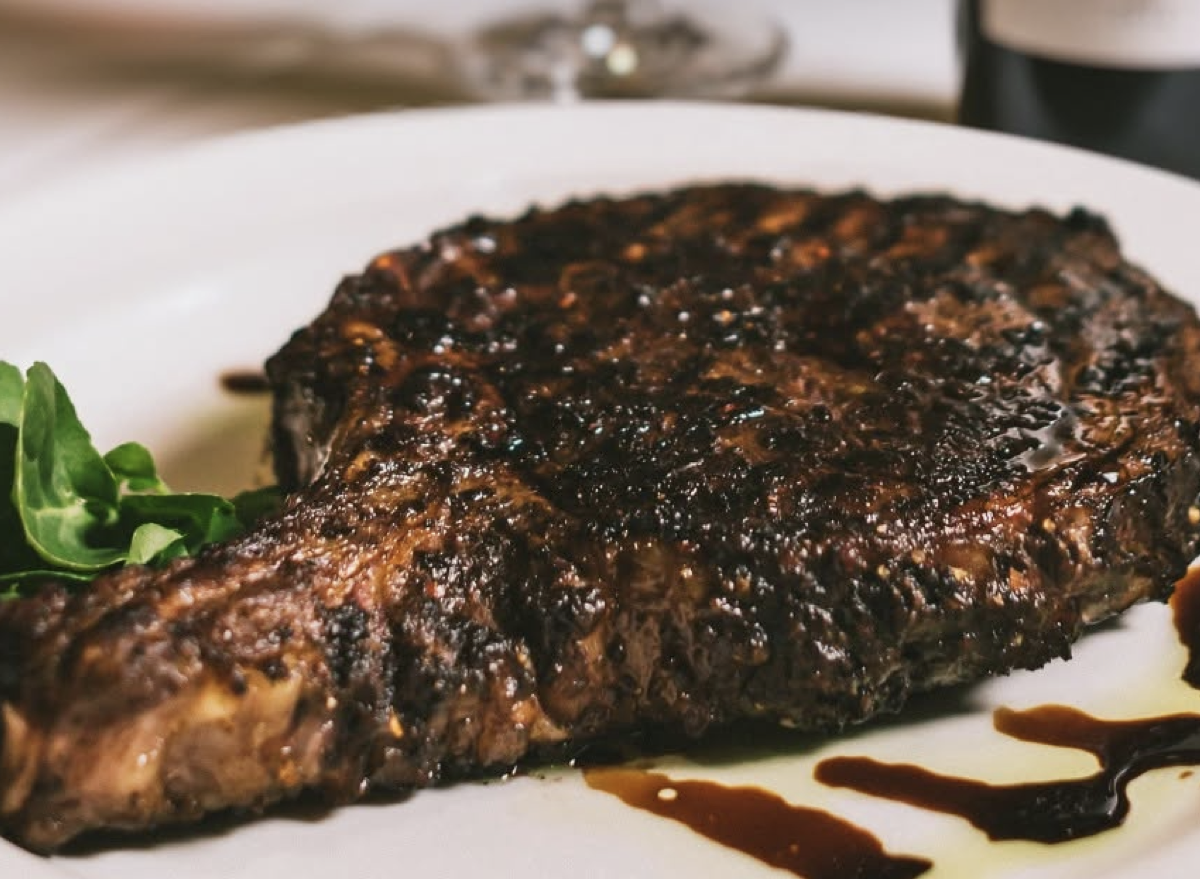
Texas Roadhouse constructed its steakhouse business model around delivering quality at prices that don’t require a special occasion to justify the visit. The Bone-In Ribeye at 20 ounces exemplifies this approach. The chain describes the cut as “juicy, flavorful ribeye served on the bone for extra flavor,” a marketing message that reflects a genuine difference in cooking; bone-in steaks pick up extra umami during the grilling process as the bone itself contributes to the thermal environment. Diner reviews confirm satisfaction with the value equation. One regular said, “I almost always order the ribeye and it’s never disappointed.” Another customer shared a price-anchored experience: “I went to Texas Roadhouse back in January for the first time in like 15 years and was blown away by how good it was for the cost. 16oz ribeye, two sides, couple of drinks and got out for $45 with tip.” That $45-all-in benchmark for a steak dinner with sides and drinks remains uncommon in the steakhouse landscape.
LongHorn Steakhouse: The Outlaw Approach
LongHorn Steakhouse’s Outlaw Ribeye branding signals that the cut follows a distinctive preparation rather than the house standard. The 20-ounce steak receives a coating of the chain’s proprietary Char Seasoning and then goes through fire-grilling by staff members LongHorn calls Grill Masters. The chain claims this technique brings out flavor in every bite of the premium, marbled meat. Diner validation matters here, and it came through: one customer stated flatly, “Can confirm—the outlaw ribeye slaps hard,” while another agreed, “I agree, the outlaw at Longhorn is very good!”
Outback Steakhouse: Smaller Portion, Same Marbling
Not every diner wants a 20-ounce steak. Outback Steakhouse’s 13-ounce Ribeye serves diners preferring a more modest portion without sacrificing the marbling that creates tenderness. The chain explicitly markets this cut as “extra marbled for maximum tenderness,” a description that acknowledges the relationship between fat content and texture. Customer response was direct: “It was so tender and wonderful. The flavor was amazing.”
Mastro’s: The Luxury Tier
Mastro’s Steakhouse operates at the highest price point among these five chains, offering three ribeye options that reflect different preferences for size and aging.
Multiple Size Options
The Bone-In Ribeye reaches 22 ounces at $87, while a Dry Aged Bone-In Ribeye spans 23 ounces for $92. The most substantial offering, the Chef’s Cut Ribeye Chop, weighs 33 ounces and costs $116.
Diner Reactions to Mastro’s Quality
Diner reactions affirmed the quality-to-price ratio. One customer wrote, “It was to die for. So damn good,” then added that the meat “melted like butter in my mouth.” Another review confirmed quality: “perfectly cooked” with an “amazing crust.”
Selecting Your Steakhouse Ribeye
These five chains serve different budgets and preparations. Mastro’s commands premium prices for cuts up to 33 ounces at higher price points suitable for special occasions. Texas Roadhouse and LongHorn both deliver 20-ounce steaks in the budget-friendly range, with complete meals available under $50. Outback offers the smallest portion at 13 ounces for diners managing appetite or calorie intake. Capital Grille sits in the middle, providing Prime beef with specialty seasonings and professional carving without quite reaching Mastro’s luxury pricing.
Source: Eat This Not That
Frequently Asked Questions
What makes ribeye steaks naturally tender compared to other cuts?
Ribeye contains significant intramuscular marbling, with fat running throughout the muscle fibers. This fat melts during cooking and bastes the meat from within, creating tenderness even if the steak is slightly overcooked. The fat also contributes to the deeper, buttery flavor the cut is known for.
Which chain offers the best value for a ribeye steak dinner?
According to diner feedback, Texas Roadhouse provides excellent value. One customer reported getting a 16-ounce ribeye with two sides and drinks for $45 with tip, while regularly ordering their 20-ounce Bone-In Ribeye without disappointment.
What ribeye options does Mastro's Steakhouse offer?
Mastro's offers three ribeye presentations: a Bone-In Ribeye at 22 ounces for $87, a Dry Aged Bone-In Ribeye at 23 ounces for $92, and the largest option, the Chef's Cut Ribeye Chop at 33 ounces for $116.
